1951 Chevrolet 3600
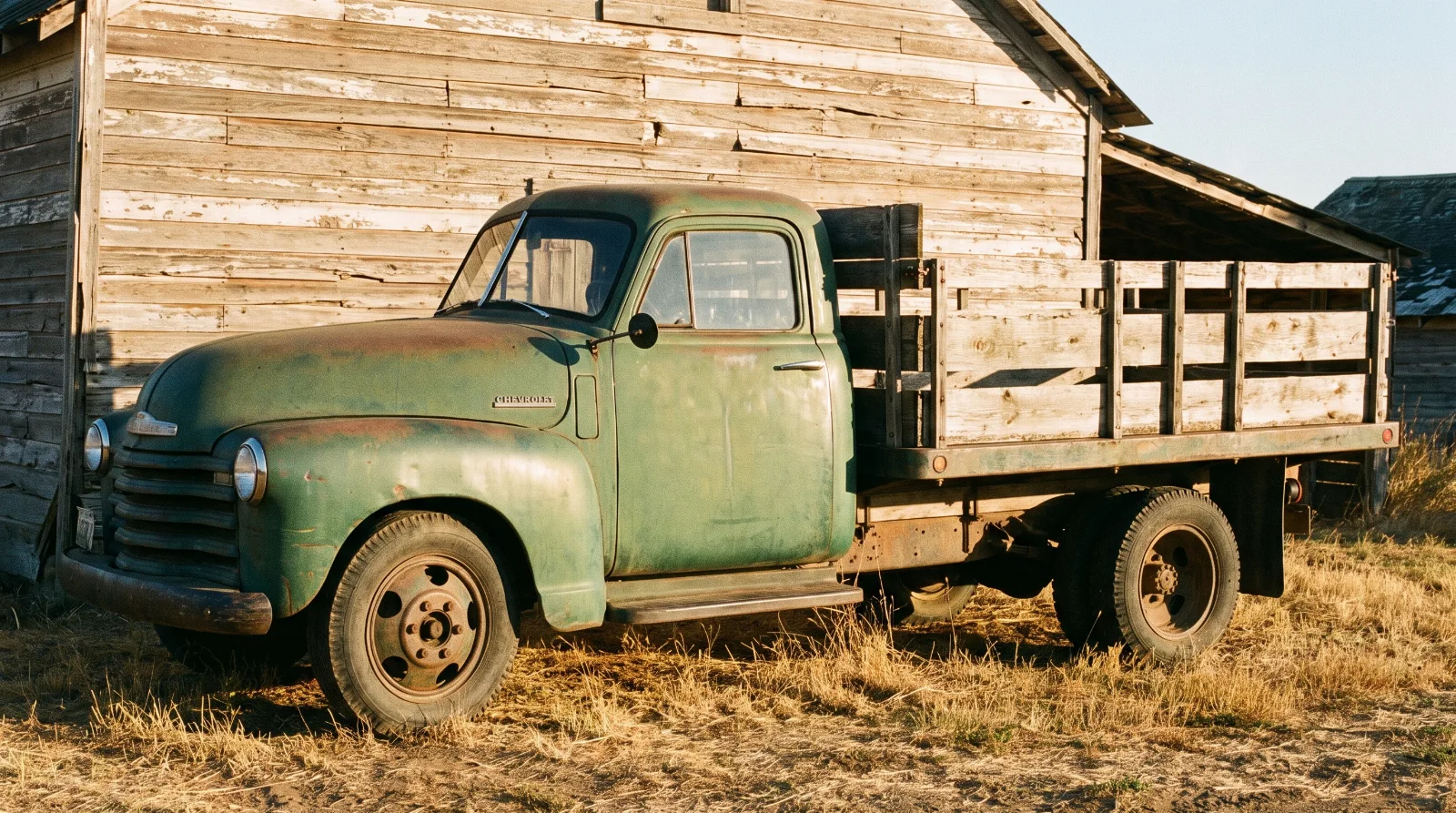
The 3600 is the three-quarter ton truck, and it is the one I tell people to buy. Same cab, same nose, same six, same year-specific door details as the half-ton everybody wants, usually thousands of dollars cheaper, and the only thing the 3100 really has on it is the badge on the side of the hood.
There is a catch and I will get to it, because it is real and it is about the springs. But start with what the number means, because in 1951 that hood emblem is the fastest way to know what you are looking at without crawling underneath.
What 3600 means
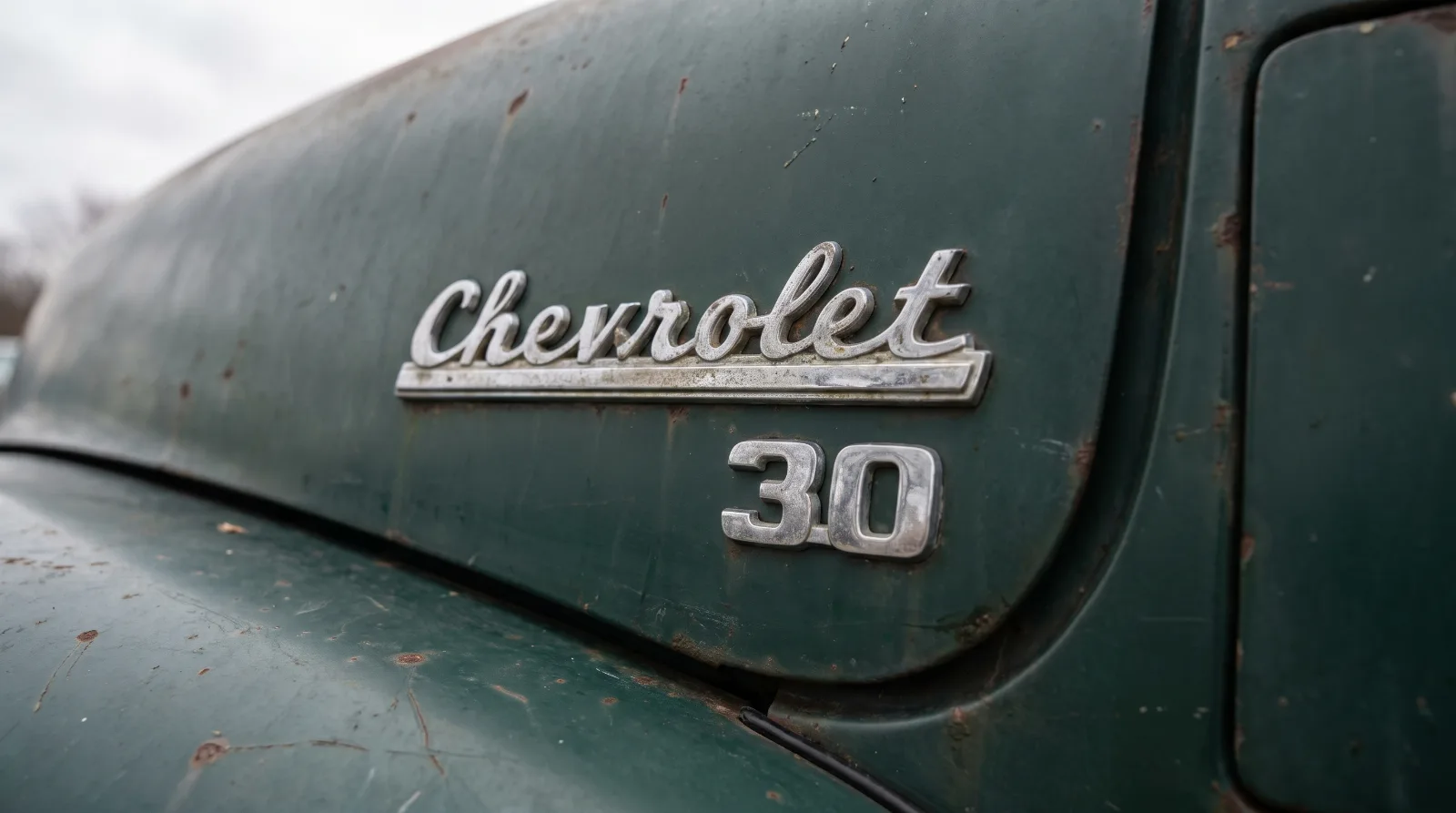
Chevrolet stopped using names on the hood side in late 1949 and started using series numbers. From then on the emblem tells you what the truck was rated to carry.
| Series | Factory code | Rating | Wheelbase | Bed length |
|---|---|---|---|---|
| 3100 | JP | Half ton | 116 in | 78 in |
| 3600 | JR | Three-quarter ton | 125.25 in | 87 in |
| 3800 | JS | One ton | 137 in | 108 in |
All three beds are 50 inches wide with sides 16 and a quarter inches high and ends 14 inches high. So the 3600 is not a wider truck or a taller truck. It is nine and a quarter inches longer in the wheelbase and nine inches longer in the bed than a 3100, and it carries a heavier chassis underneath to justify the rating.
How a 3600 differs to drive
Everything above the frame is the same truck. The cab is the same shell, so a 1951 3600 has exactly the same one-year door combination the pickups have: vent windows in the door glass together with turndown outside handles, a speedometer reading to 80, chrome window and wiper knobs in their last year. The identification checks are identical to any other 1951 Advance Design.
What is different is under it. A heavier frame, heavier springs, bigger brakes, and a gearbox that is more likely to be the four-speed than the three-speed. Chevrolet offered the four-speed synchromesh as an option on the half and three-quarter tons and made it the only choice on the one ton, so a 3600 with a floor shifter is entirely normal and a 3600 with a column shift three-speed is normal too.
Empty, the ride is firm in a way you will notice within a mile. Those springs were sized to carry three-quarters of a ton and there is nothing in the back. Put four hundred pounds in the bed and the truck settles into itself and rides better than a half-ton does with the same load. That is the whole trade, and whether it matters depends entirely on what you plan to do with the thing.
"People buy a three-quarter ton, drive it home empty over a bad road and decide the springs are worn out. They are not worn out. They are doing exactly what Chevrolet sized them to do, and you have nothing in the back."
— Earl Dawson
What is under the hood
The 216.5 cubic inch Thriftmaster six, 92 horsepower at 3,400 rpm and 176 pound-feet of torque low down, the same engine Chevrolet put in every light truck it built from 1947 through 1953. Splash lubrication, babbitt bearings, and an engine that asks nothing except oil and patience.
There is no automatic in a 1951 Chevrolet truck of any series. The passenger cars could be ordered with Powerglide that year and the trucks could not, so a 1951 3600 with two pedals has been changed. That is worth knowing before somebody charges you an originality premium for it. The full account of the six, in both the cars and the trucks, is in what Chevrolet fitted in 1951.
Electrics are six volt with a negative ground. Ford, Chrysler and GMC ran positive ground in this era and people assume everything old did. Chevrolet did not, and wiring a truck the wrong way round is an expensive afternoon.
Buying a 3600
The rot is where it is on any Advance Design truck, which is to say the cab first and the bed second. The extra length gives you one more thing to check and takes nothing off the list.
Check this first
- Cab corners and the cab mounts. The mounts are the serious one. A cab that has dropped off its mounts throws every panel gap out and filler will not fix it.
- Cab floor and the metal under the rear cab wall. Water comes past the rear window seal and sits. Pull the mat, do not take a word for it.
- The long bed, sill by sill. A 3600 bed has more cross sills than a 3100 and every one of them is a place for new boards to hide old rot. Look under the floor, not at it.
- Rear spring hangers and shackles. These trucks worked. Worn hangers on a heavy-spring chassis are common and they change how the whole thing sits.
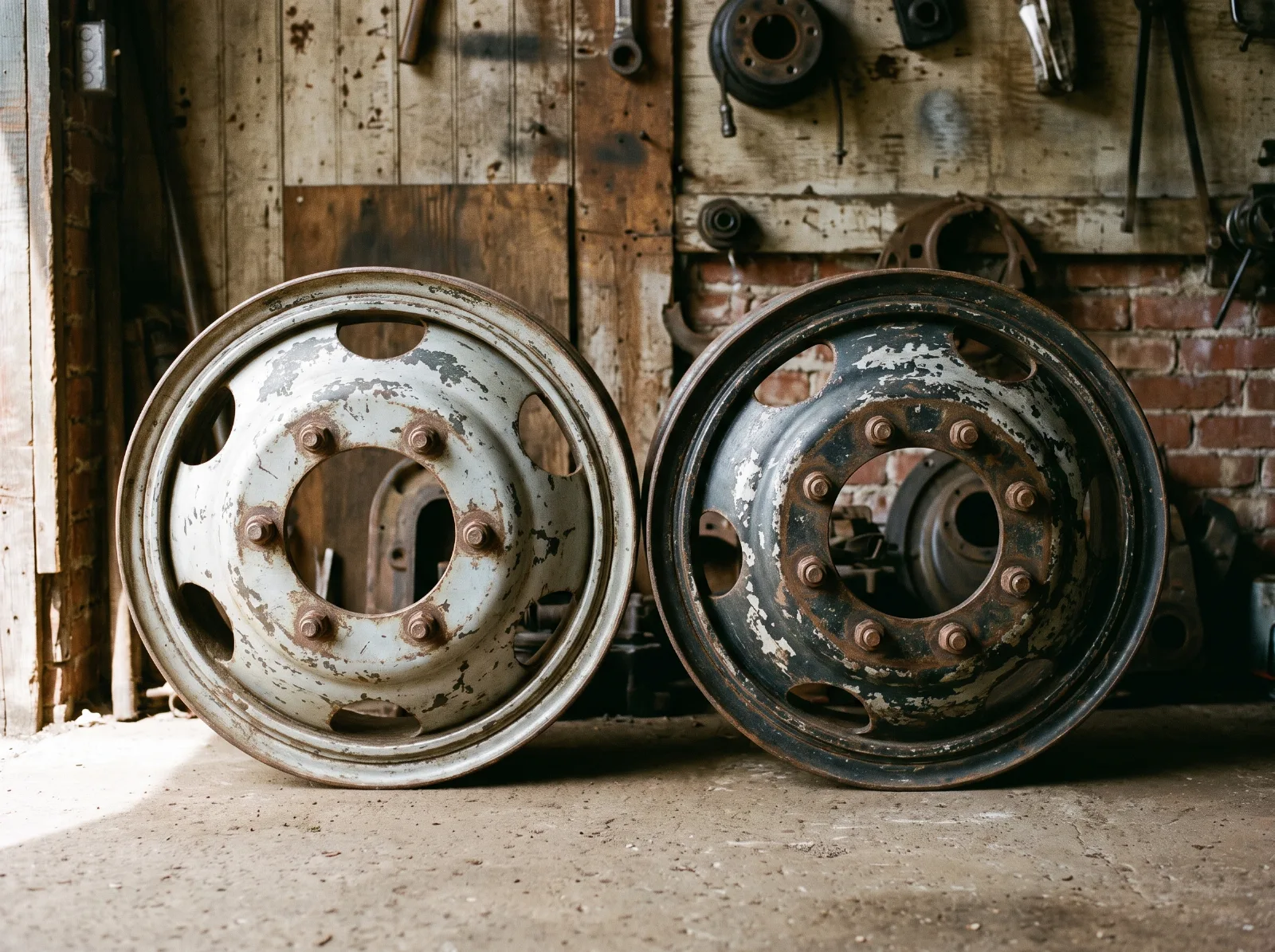
- Wheel studs and the wheels themselves. Eight-stud wheels in the right size are less common than six-stud, and a set of five is real money.
- Doors, at the bottom, and whether they are 1951 doors. Vent window plus turndown handle is the 1951 pair. Mixed handles across the two doors usually means one of them came off another truck.
Where the 3600 sits today
Values have followed the half-ton up, at a distance. The 3100 is the truck the market wants and the 3600 has always trailed it, which is exactly why it is the sensible purchase. You get the same cab, the same one-year door details, the same excellent reproduction sheet metal supply, and a longer bed, for less money than the badge everybody chases.
Where a 3600 genuinely loses is if you want to lower it hard and drive it empty. The heavier chassis fights you on both counts. If that is the plan, buy the 3100 and pay the premium honestly rather than fighting a truck that was built to work.
The heavier one again, the one ton with the nine-foot bed and the full floating axle, is the 1951 Chevrolet 3800. The cab option that decides what any of them is worth is in the five window cab. The half ton it sits above, and the series that now heads this branch, is the 3100. And the whole truck line for 1951, with the year-by-year identification in one place, is in the 1951 truck line.
Sources and notes
- Comprehensive history of the 1947-1955 first series Advance Design, DevesTechNet - the JP, JR and JS series with 116, 125.25 and 137 inch wheelbases and 78, 87 and 108 inch beds, all beds 50 inches wide with 16.25 inch sides, the 216.5 Thriftmaster at 92 horsepower and 176 pound-feet, and the four-speed synchromesh optional on half and three-quarter tons.
- 1950-1958 Chevrolet model series identification, The Old Car Manual Project - the factory 1951 truck series chart giving JP, JR and JS against their wheelbases and tonnage.
- Sun-baked to perfection: 1951 Chevrolet 3600, Barn Finds - the 3600 as the three-quarter ton, eight-stud wheels against the half-ton's six, the four-speed manual as the common gearbox, and the original 216 six.
- 1947-1959 Chevy truck model years identification guide, Classic Industries - the late 1949 switch to series emblems on the hood side, and the 1951 door, speedometer and knob details that date any Advance Design cab.
- Chevrolet Advance Design, Wikipedia - the three tonnage tiers and their wheelbases, the 216 cubic inch six used from 1947 to 1953, and three and four-speed manuals with no automatic until 1954.
- Chevrolet 3600 listings, ClassicCars.com - live inventory showing where the three-quarter ton sits against the half-ton in asking price.
More from the garage
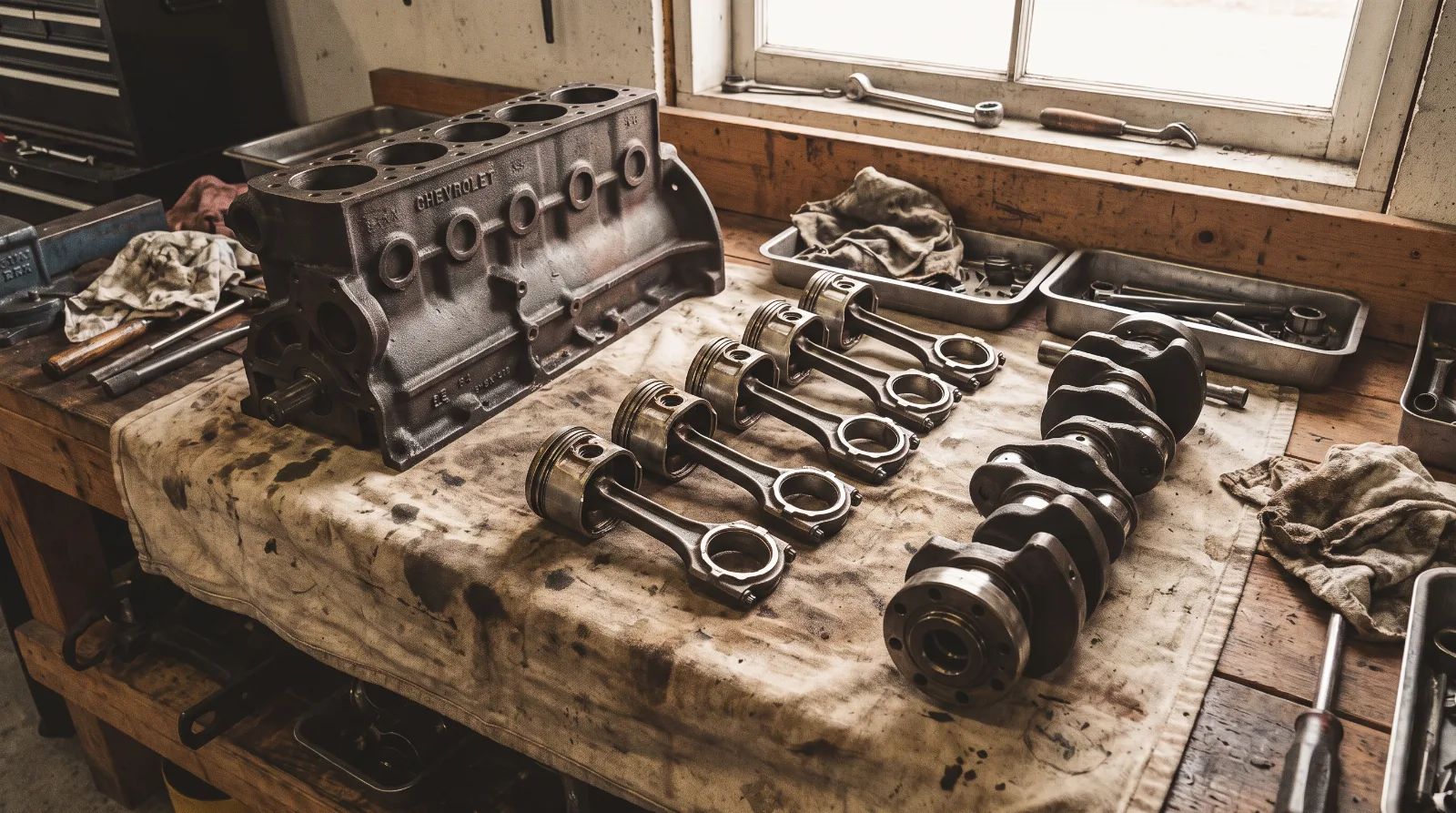
Rebuilding a Chevy 216
Rebuilding a 216 is not like rebuilding anything made after about 1955, and the difference is not the tools. It is that on most engines the botto...
The 1951 Chevrolet Apache
There is no 1951 Chevrolet Apache. The Apache name belongs to the generation of Chevrolet trucks that came after the one built in 1951, and it do...
The 1951 Chevrolet Impala
There is no 1951 Chevrolet Impala. The name did not exist in 1951, the car did not exist in 1951, and nothing Chevrolet built that year was ever...