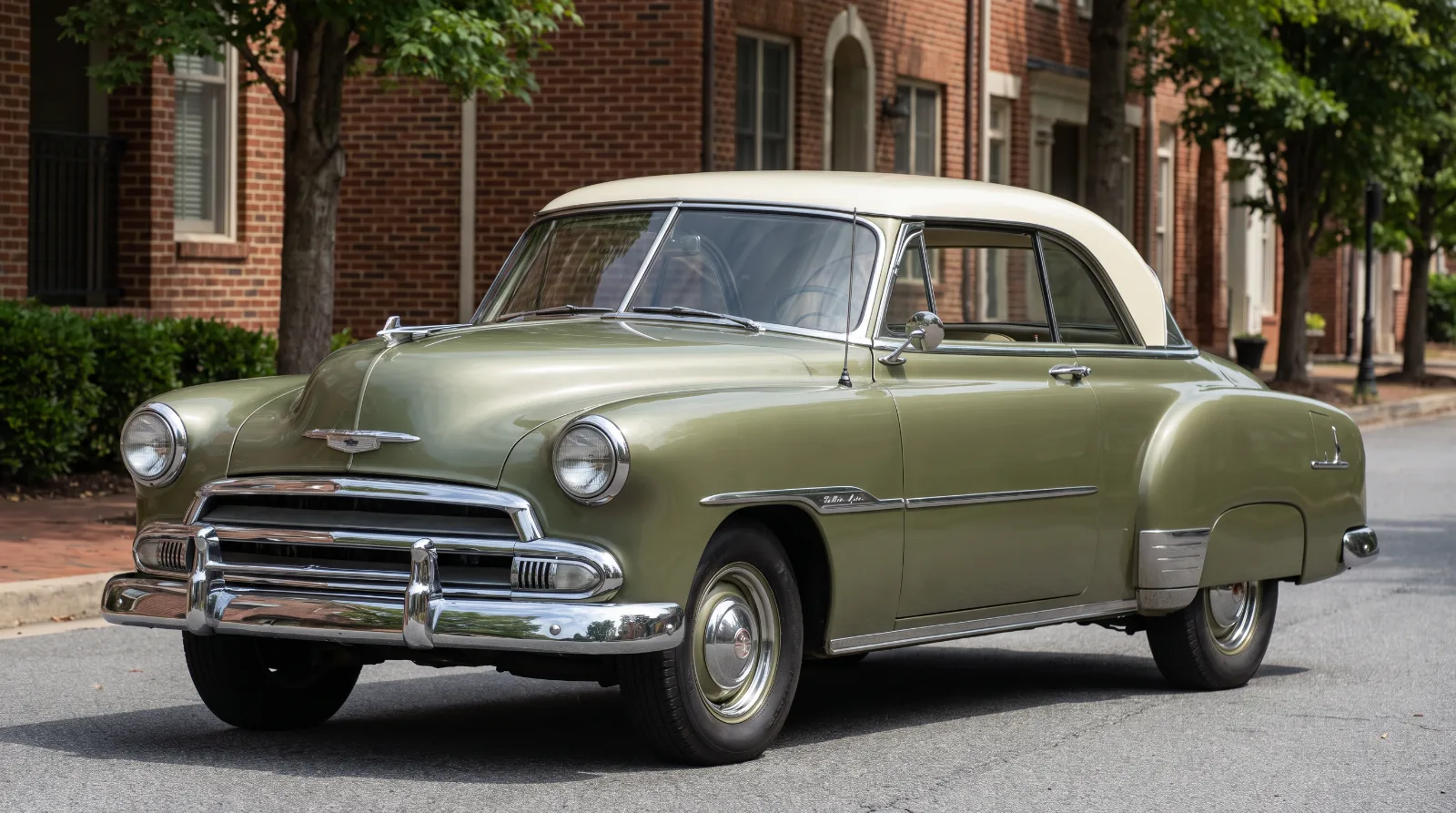
1951 Chevrolet Styleline Special
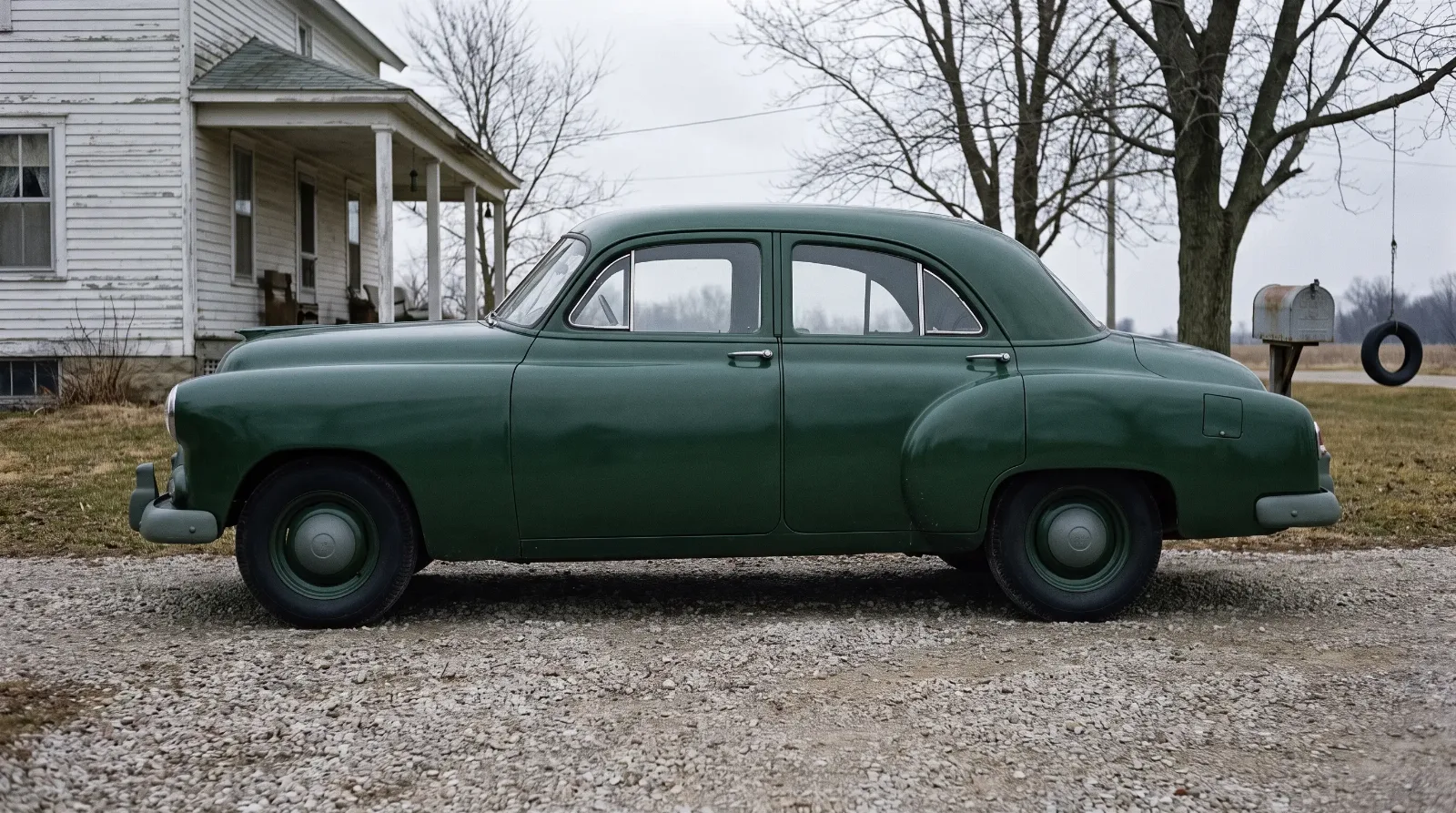
The 1951 Chevrolet Styleline Special is the car most people mean when they picture a plain old 1951 Chevy. No stainless spear down the fender, no Deluxe script above the front wheel, a simpler dash and a simpler seat. It is the base car, and for a long time that was a reason to walk past it. I have come around on that. The Special is the honest version of the 1951 Chevrolet, the one that was sold on price to people who needed a car rather than a statement, and there is a lot to like about how straightforward it is once you own one.
Special and Styleline are two different things, and getting them straight is the whole trick to shopping these cars. One is the trim series. The other is the body shape. Chevrolet mixed and matched them for 1951, and if you do not know which is which, you cannot tell what you are looking at in a listing or in a field behind somebody's barn. So let me lay it out the way I would if you pulled into my driveway with a title in your hand and a question.
What Styleline Special actually means
Chevrolet sold two trim series in 1951. The Special was the lower one and the De Luxe was the upper one. On top of that Chevrolet offered two body shapes. Styleline was the notchback, the conventional shape with a trunk that steps down behind the rear glass. Fleetline was the fastback, where the roof runs in one unbroken slope all the way to the back bumper. Put those together and you get four combinations, and every one of them existed on a 1951 showroom floor.
So a Styleline Special is the base trim on the notchback body. Next to a De Luxe you will notice what is missing before you notice anything else. The De Luxe cars carried a stainless molding that started above the front fender and ran back onto the front door, with the Deluxe name spelled out above the wheel opening. The Special wore none of that. Inside, the Special got plainer upholstery and less bright trim. Same body, same nose, same glass, less jewelry.
The Special is also the reason the range had a floor. Chevrolet needed a price leader, and the Special series carried that job across four body styles. If you want the whole shape of the range and how the two series and two bodies fit together, I laid it out in the 1951 Chevrolet range and I will not repeat all of it here.
The 1951 Styleline Special lineup
Four body styles carried the Styleline Special name for 1951, and the price spread between the cheapest and the dearest was barely a hundred dollars. Here is what a buyer saw and what Chevrolet built.
| 1951 Styleline Special body style | Factory price | Production |
|---|---|---|
| Business coupe | $1,450 | 17,020 |
| Two-door sedan | Between the coupe and the four-door | 75,566 |
| Four-door sedan | $1,535 | 63,718 |
| Sport coupe | $1,550 | 18,981 |
| Special series total, all bodies including Fleetline | 185,090 |
The two-door sedan was far and away the volume car, which is what you would expect from a price-leader series. The business coupe with no rear seat and the sport coupe with the dressier roofline were the small-run cars, under twenty thousand each. That matters when you go shopping, because it explains why you trip over Special sedans and hardly ever see a Special sport coupe. The De Luxe version of that roof is a different car with different money behind it, and I covered it separately in the Styleline Sport Coupe.
The Special series also included two Fleetline fastbacks that year, a two-door and a four-door, and 1951 was the last time Chevrolet offered them. Those two cars are genuinely rare now. I get into why in the plain-series fastback, because that is a story worth its own page.
Reading the serial number on a Special
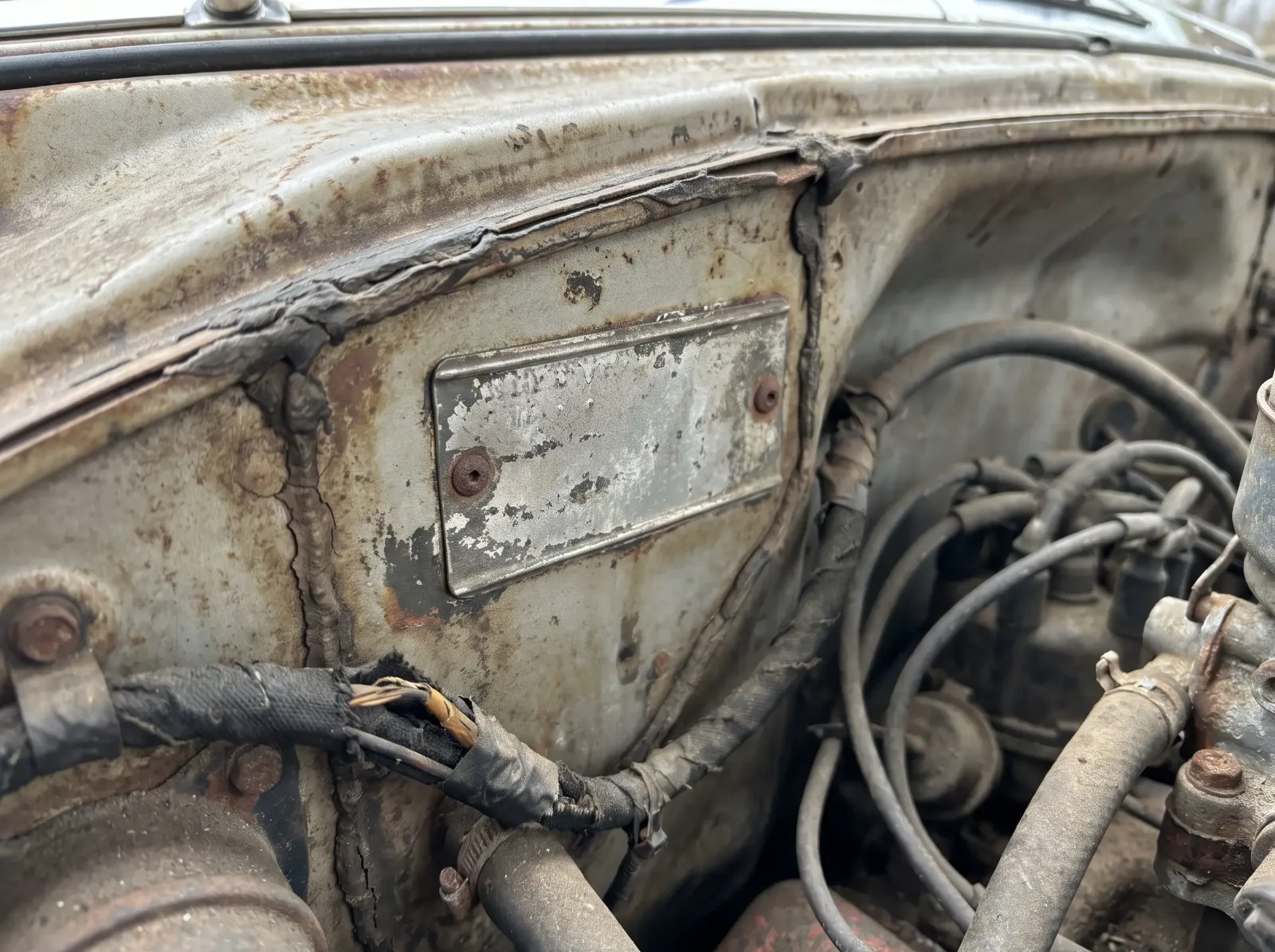
This is the question I get more than any other on these cars, usually from somebody who bought a title and a shell and wants to know what he actually has. The good news is that a 1951 Chevrolet tells you a fair amount if you know where to look.
The serial number plate is on the left front door hinge pillar, the post the driver's door hangs on. Open the door and look at the body side of that post. The number is short by modern standards and it is built out of pieces. The leading digits are the assembly plant. Then comes a letter for the model year, and for 1951 that letter is J. Then comes a letter for the series, and this is the one that answers the question everybody is asking. On 1949 through 1952 cars, J means Special and K means De Luxe. After that comes the sequence number, and every plant started its run at 1001, so a low number does not mean an early car overall, only an early car at that plant.
The second plate is the Fisher body number plate on the cowl, under the hood on the right-hand side. That one carries the body style number, the body sequence, the trim code for the upholstery and the paint code. Between the two plates you can confirm what series the car left the factory as, what body it wore, and what color and interior it was born with. That is usually enough to settle an argument over whether somebody's four-door is a real Special or a De Luxe that lost its side trim in a repaint.
What you get under the hood
Every Styleline Special ran the 216.5 cubic inch overhead-valve six that everybody calls the Stovebolt, rated at 92 horsepower, and it went through a three-speed manual with the shifter on the column. That was the whole drivetrain menu. There was no automatic, because Powerglide was a De Luxe option in these years and it cost about $159 when it arrived. Powerglide cars also got the larger 235.5 cubic inch six with hydraulic lifters, rated at 105 horsepower, so the bigger engine came in the same package as the automatic.
What that means for you as a buyer is simple. A genuine Styleline Special is a stick car with the small six. If somebody shows you a Special with an automatic and a 235 in it, that is a swap, and there is nothing wrong with the swap, but it is not how the car left the plant. Knowing that saves you from paying an originality premium for something that is not original.
The electrical system is six volt, and the ground is negative. I say that every time because the wrong answer is everywhere. Ford and Chrysler and GMC ran positive ground in this era and people assume every old car did. Chevrolet did not. Hook a 1951 Chevy up backwards and you will find out fast. The rest of the mechanical picture, gearing, brakes, weights and dimensions, sits in the reference figures.
"Everybody chases the De Luxe because it has the chrome. Fine by me. The Special is the same car underneath, it costs less to buy, and there is a lot less brightwork to go pitted and impossible to find. I would rather spend that money on the floors."
— Earl Dawson
Buying one and living with it
The Special is the value entry into a 1949 to 1952 Chevrolet, and it stays that way because the market still pays for trim. Two identical cars, same rust, same running gear, and the one with the stainless spear and the Deluxe script brings more money. That gap is your opportunity if what you actually want is a car to drive.
Buy the body. That advice never changes on these Chevrolets. Look at the floors under the mats, the trunk pan, the lower rear quarters and the bottoms of the doors. Then look at the cowl where the vent drains dump, because that area rots from the inside and it is expensive to fix properly. Mechanical trouble on a Stovebolt six is a known quantity with parts you can still buy. Bad metal is time and money in a way a tired engine is not.
Watch for the fake De Luxe going the other direction too. Somebody adds side moldings and a Deluxe emblem to a Special and calls it a De Luxe in the ad. Check the pillar plate, check whether the holes for the trim look factory or drilled, and check the interior, because the plainer Special upholstery pattern and the plainer dash trim are harder to fake than a strip of stainless. When you are ready to see what a straight one costs, the gap between a driver and a project is wider than most first-time buyers expect.
Check this first
- Floors, trunk pan and rear quarters. Pull the mats and the trunk mat. This is where a cheap car turns into an expensive one, and on a base sedan the metal is most of the value.
- The cowl and vent area. Water sits in there. It rots from the inside out and you cannot see it from above. A soft cowl is a serious job on a body this age.
- Serial and body plates. Confirm the J series letter and read the body plate before you agree on a price. This is what tells you the car is what the ad says it is.
- Drivetrain honesty. A factory Special is a 216 with a three-speed. An automatic means the car has been changed, which affects what it is worth as an original.
- Glass channels and door drains. Blocked drains are why so many of these cars have rotten door bottoms. Poke the bottom of every door with something blunt.
- Brake and fuel lines. Seventy-five years of steel line under a car that sat outside is a safety item, not a detail. Budget to replace all of it.
A Styleline Special will never be the car that wins the class at a big show, and it does not have to be. It is the plain 1951 Chevrolet that a lot of families actually bought, it drives exactly like the fancy one, and it lets you into the hobby for less money than the car parked next to it. Find one with a solid body and a readable plate, keep the six volt system honest, and you will have a Chevrolet you can drive on a Sunday without worrying about a stone chip. And if a working vehicle suits you better than a family car, the plain end of the 1951 range carries straight on into the Advance Design trucks.
Sources and notes
- 1951 Chevrolet Special Series specifications, Conceptcarz - body styles, factory prices and production figures for the Special series, including the 185,090 series total and the 1,229,986 Chevrolet total for 1951.
- 1951 Chevrolet De Luxe Series, Conceptcarz - De Luxe prices and production for comparison, plus the 216.5 cu in at 92 hp and 235.5 cu in at 105 hp engine ratings.
- 1946 to 1954 Chevrolet model identification, The Old Car Manual Project - serial plate location on the left front door hinge pillar, the J year letter for 1951, the J and K series letters for Special and De Luxe, and the plant prefix codes.
- Chevrolet Deluxe, Wikipedia - the Special and De Luxe trim structure across the 1949 to 1952 cars and how the Styleline and Fleetline bodies were shared between them.
- Secrets of the Chevy Powerglide 1950-73, Mac's Motor City Garage - Powerglide offered only on De Luxe models at introduction, priced at $159, and paired with the larger 235 cu in six with hydraulic lifters.
- Chevrolet Fleetline, Wikipedia - Fleetline Special two-door and four-door production for 1951 and confirmation that the Special fastbacks ended after that year.
More from the garage
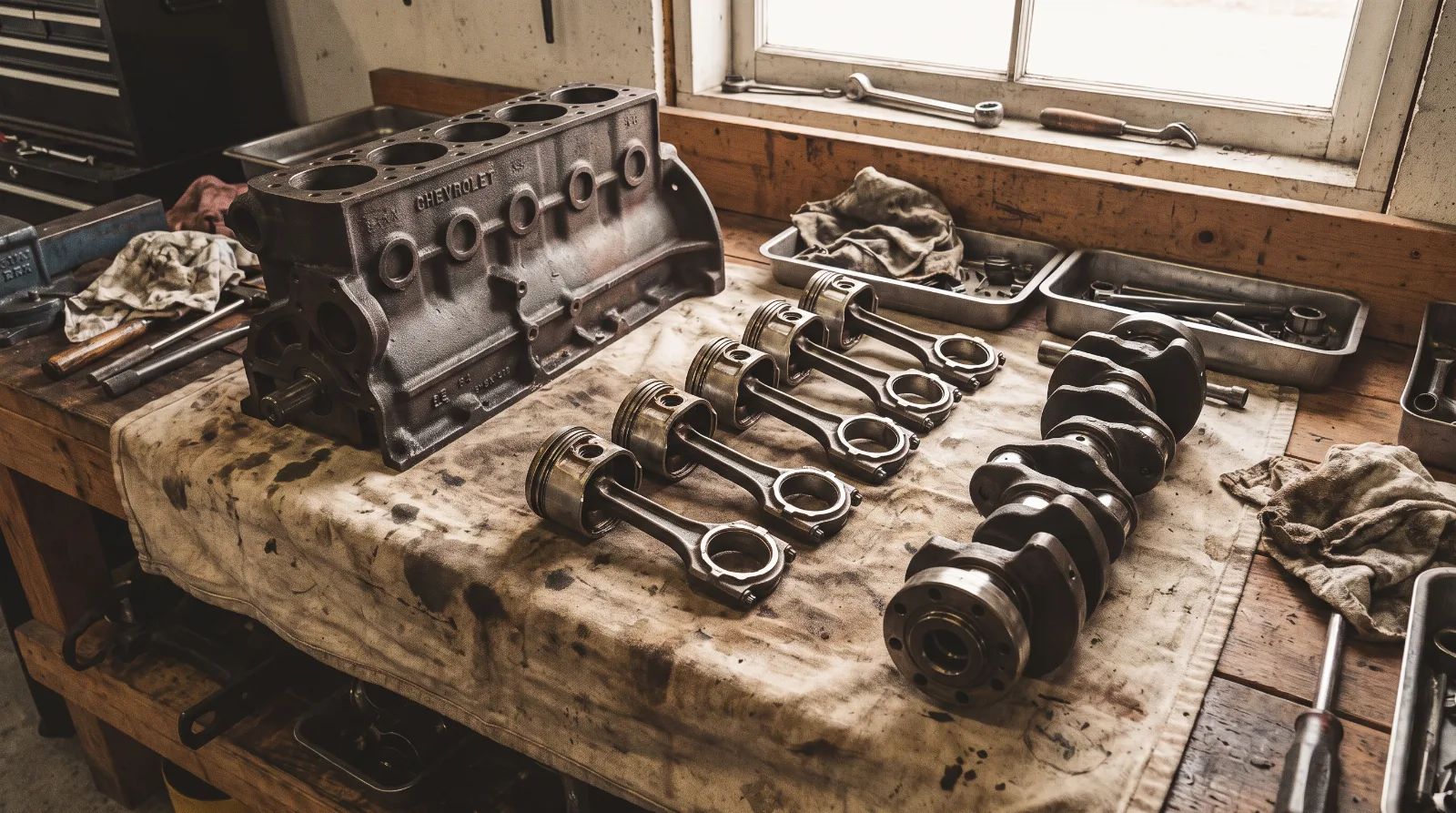
Rebuilding a Chevy 216
Rebuilding a 216 is not like rebuilding anything made after about 1955, and the difference is not the tools. It is that on most engines the botto...
The 1951 Chevrolet Apache
There is no 1951 Chevrolet Apache. The Apache name belongs to the generation of Chevrolet trucks that came after the one built in 1951, and it do...
The 1951 Chevrolet Impala
There is no 1951 Chevrolet Impala. The name did not exist in 1951, the car did not exist in 1951, and nothing Chevrolet built that year was ever...