1951 Chevrolet Coupe
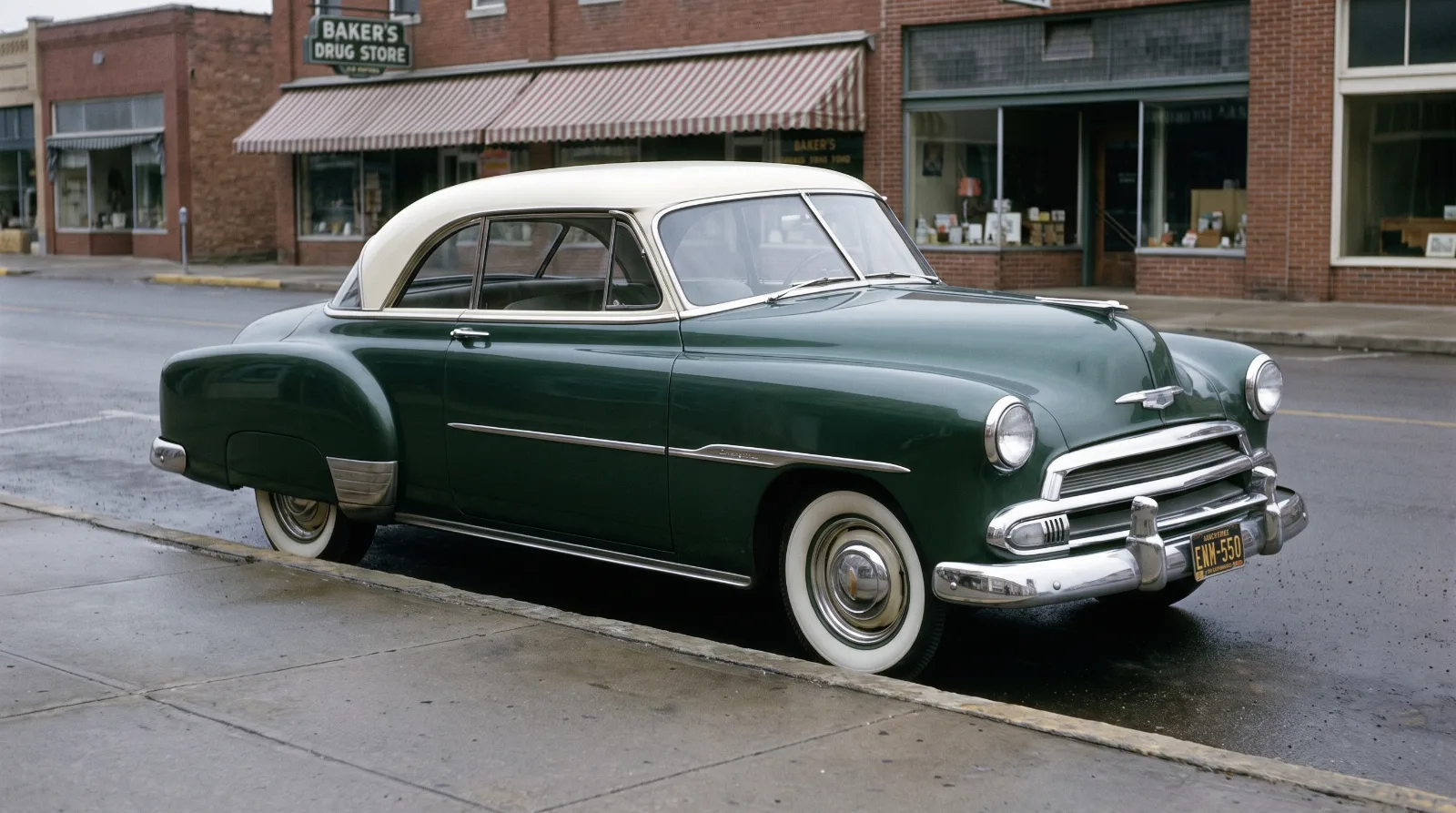
Somebody says 1951 Chevrolet coupe and I still have to ask which one. Chevrolet built four cars that year that a reasonable person would call a coupe, they cost from $1,450 to $1,900, and two of them look close enough at a glance that sellers mix them up honestly, never mind the ones who mix them up on purpose. So before you go and look at anything, learn the four.
Here is the short version. Two coupes in the cheap Special series, one coupe in the De Luxe series, and the Bel Air, which is a hardtop but which everybody including Chevrolet called a coupe. Sort out which one you are standing in front of and the rest of the conversation gets a lot easier.
The four 1951 Chevrolet coupes
Chevrolet split the 1951 range into the Special series, numbered 1500, and the De Luxe series, numbered 2100. Inside each series you had Styleline bodies, which are the notchback shape with a proper trunk, and Fleetline bodies, which are the fastbacks. Fleetline came only as a sedan, so every 1951 Chevrolet coupe is a Styleline. That one fact clears away a lot of confusion on its own.
| Model | What it is | Series | Price | Built |
|---|---|---|---|---|
| 1504 | Styleline Business Coupe | Special | $1,450 | 17,020 |
| 1524 | Styleline Sport Coupe | Special | $1,550 | 18,981 |
| 2124 | Styleline Sport Coupe | De Luxe | $1,650 | 64,976 |
| 2154 | Styleline De Luxe Bel Air | De Luxe | $1,900 | 103,356 |
Add those up and Chevrolet built a little over 204,000 coupes for 1951, out of roughly 1.25 million cars. The coupe was never the volume car. The four-door sedan was, by a mile.
How to tell them apart in a parking lot
Start with the roof, because that is the one difference nobody fakes cheaply. The Bel Air has no post between the door glass and the rear quarter glass. Wind both windows down and you can see straight through the car. The other three all have a fixed post there. That is the whole difference between a hardtop and a coupe in 1951, and it is worth a great deal of money.
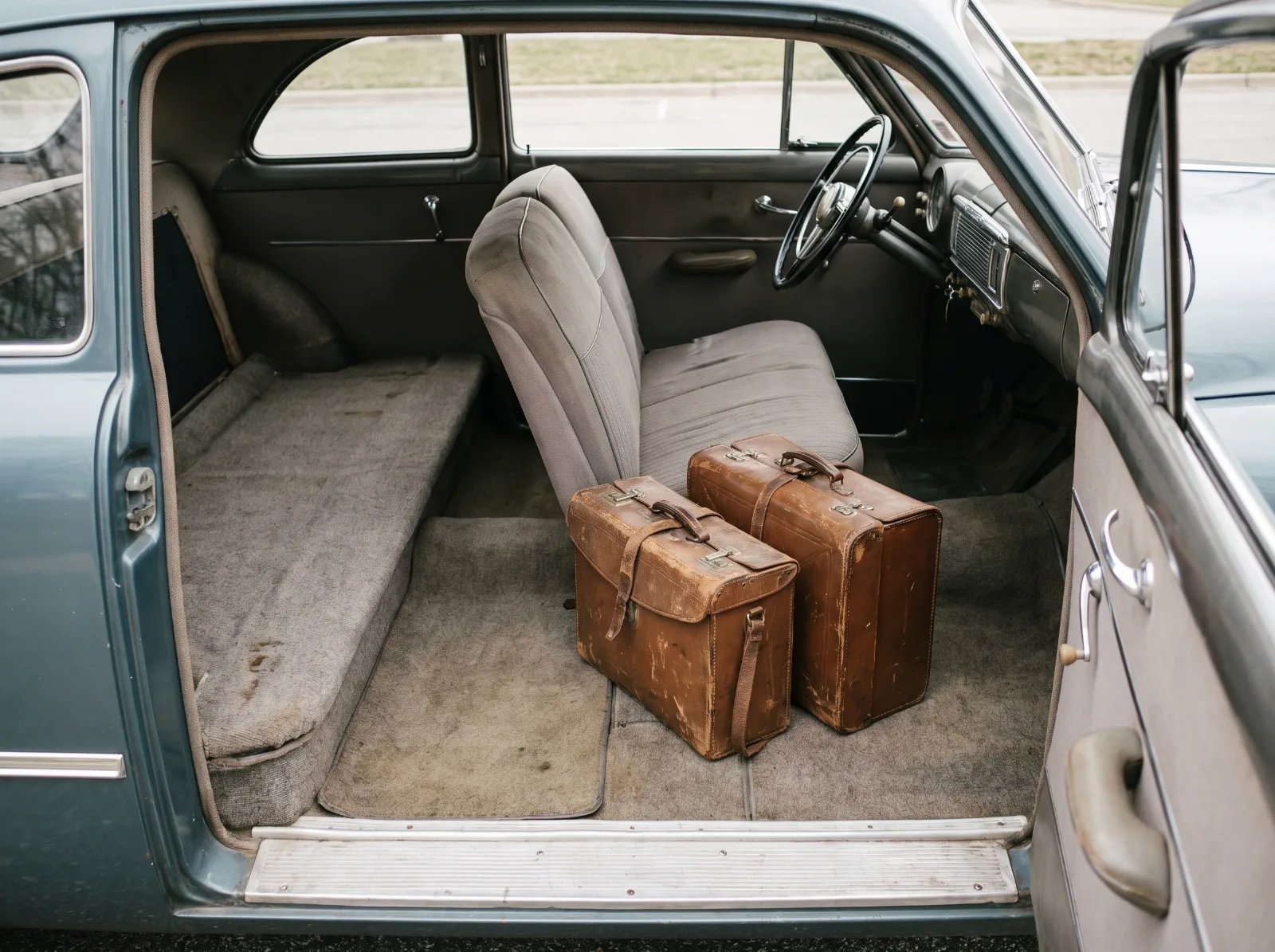
Next look inside at the back. The business coupe has no rear seat. What it has instead is a long flat load floor running back to the rear bulkhead, because the car was built for a man with sample cases who did not want a station wagon. The sport coupe has a proper rear seat and much less trunk. Same roof, same doors, same everything you can see from outside, and completely different cars to live with.
Last, look down the side. De Luxe cars carry a stainless molding that starts above the front fender and runs back onto the front door, with the name spelled out above the front wheel opening. Special cars carry none of it. That strip is the fastest series check there is, and it is also the first thing somebody bolts onto a Special to make it look dearer than it is, so check the interior too. A De Luxe has a nicer dash treatment and better cloth. A Special is plain, and plain in a way that reads as honest rather than stripped.
What the four are like to own
Mechanically they are the same car. All four sit on the 115 inch wheelbase, all four have the six in front and hydraulic drums at all corners, and all four are as simple to work on as anything with a roof. The choice is really about what you want out of the thing.
| If you want | Buy | Why |
|---|---|---|
| The cheapest way into a 1951 | Business coupe | Lowest price new, lowest price now, and the least trim to go missing |
| A car you can put people in | Sport coupe, either series | Rear seat, and the Special version asks meaningfully less than the De Luxe |
| The nicest one to sit in | De Luxe Sport Coupe | Trim, cloth and the option list, without the hardtop premium |
| The one that holds value | Bel Air | Pillarless roof, the best interior Chevrolet offered, and everybody knows the name |
| Something to build | Business coupe | Flat floor, short cabin, no rear seat to lose. Rodders have been taking these apart for seventy years |
My own advice, and I have given it more than once at a swap meet, is that the Special sport coupe is the underrated one. Same body as the De Luxe sport coupe, seats the same four people, usually asks a third less. What you give up is trim, and trim you can find. What you cannot find is a rust-free body.
"Everybody chases the Bel Air and then finds out what a pillarless roof costs to make watertight again. Buy the plain coupe with a good floor. You will drive it more and you will sleep better."
— Earl Dawson
Under the hood, and what it does to the price
Standard in every 1951 Chevrolet is the 216.5 cubic inch Thrift-Master six, rated at 92 horsepower. Splash lubrication, babbitt bearings, and the sort of engine that runs for thirty years if you keep oil in it and stay off the highway ramps.
The 235.5 cubic inch engine, 105 horsepower, came only with Powerglide, and Powerglide was a De Luxe option at around $159. So of the four coupes here, only the De Luxe sport coupe and the Bel Air could have left the factory with the bigger engine and the automatic. That narrows things usefully. If you are looking at a Special coupe with two pedals, somebody did that later, and you should price the car as a modified car. The full story on both engines is in the 1951 engines and drivetrains.
Check this first
- The post between the windows. No post is a Bel Air. Post is a coupe. Decide which car you are pricing before anything else.
- Behind the front seat. Rear seat or flat floor. That is sport coupe versus business coupe, and it changes the value.
- The side trim, then the dash. Trim gets added. A De Luxe dash and a Special dash are not the same, and swapping one is real work.
- Floors and the lower rear quarters. These cars hold water in the trunk drop and rot outward from it. Lift the mat, do not take a word for it.
- Serial plate on the driver's door post. First letter is the year, second is the series. J for 1951, then J for Special or K for De Luxe.
- Glass and rubber. Reproduction glass exists for the common shapes. On a Bel Air the quarter glass and its channels are where the money goes.
What they are worth and where to look
The order has been the same for as long as I have watched these cars. Bel Air first by a wide margin, De Luxe sport coupe second, Special sport coupe third, business coupe last unless it has been rodded well, in which case it can beat everything on this list and lose all its originality doing it.
Where people go wrong is buying a rough Bel Air over a good Special because of the badge. A pillarless roof has no post holding the door glass against anything, so worn hinges, sagging doors and leaking channels all show up together, and every one of them costs money. A solid Special sport coupe with an honest floor is a better car to start from and a better car to finish.
If you want the full picture of what De Luxe bought you in 1951, that is in the 1951 Chevrolet Styleline De Luxe. The De Luxe coupes specifically, and the confusion between them, is untangled in the 1951 De Luxe coupe. And the whole range, both series and every body style, sits in the complete 1951 model guide.
Sources and notes
- 1951 Chevrolet passenger car models chart, The Old Car Manual Project - the factory model identification table: 1504 business coupe, 1524 and 2124 sport coupes, 2154 Bel Air, and the Styleline and Fleetline split inside the 1500 and 2100 series.
- 1951 Chevrolet Special Series specifications, Conceptcarz - factory prices, shipping weights and production totals for the Styleline business coupe and the Special sport coupe.
- 1951 Chevrolet De Luxe Series specifications, Conceptcarz - prices and production for the De Luxe sport coupe and the Bel Air, plus the 92 and 105 horsepower ratings and the 115 inch wheelbase.
- Chevrolet Deluxe, Wikipedia - Styleline as the notchback range and Fleetline as sedans only, the Bel Air as a hardtop coupe inside the De Luxe range, and Powerglide restricted to De Luxe and Bel Air.
- 1950: the birth of the Chevrolet Bel Air, Mac's Motor City Garage - the pillarless hardtop arriving at Chevrolet for 1950 and the Bel Air's position as the most expensive coupe in the range.
- 1951 Chevrolet Styleline listings, ClassicCars.com - live inventory showing how the four coupes are priced against each other today.
More from the garage
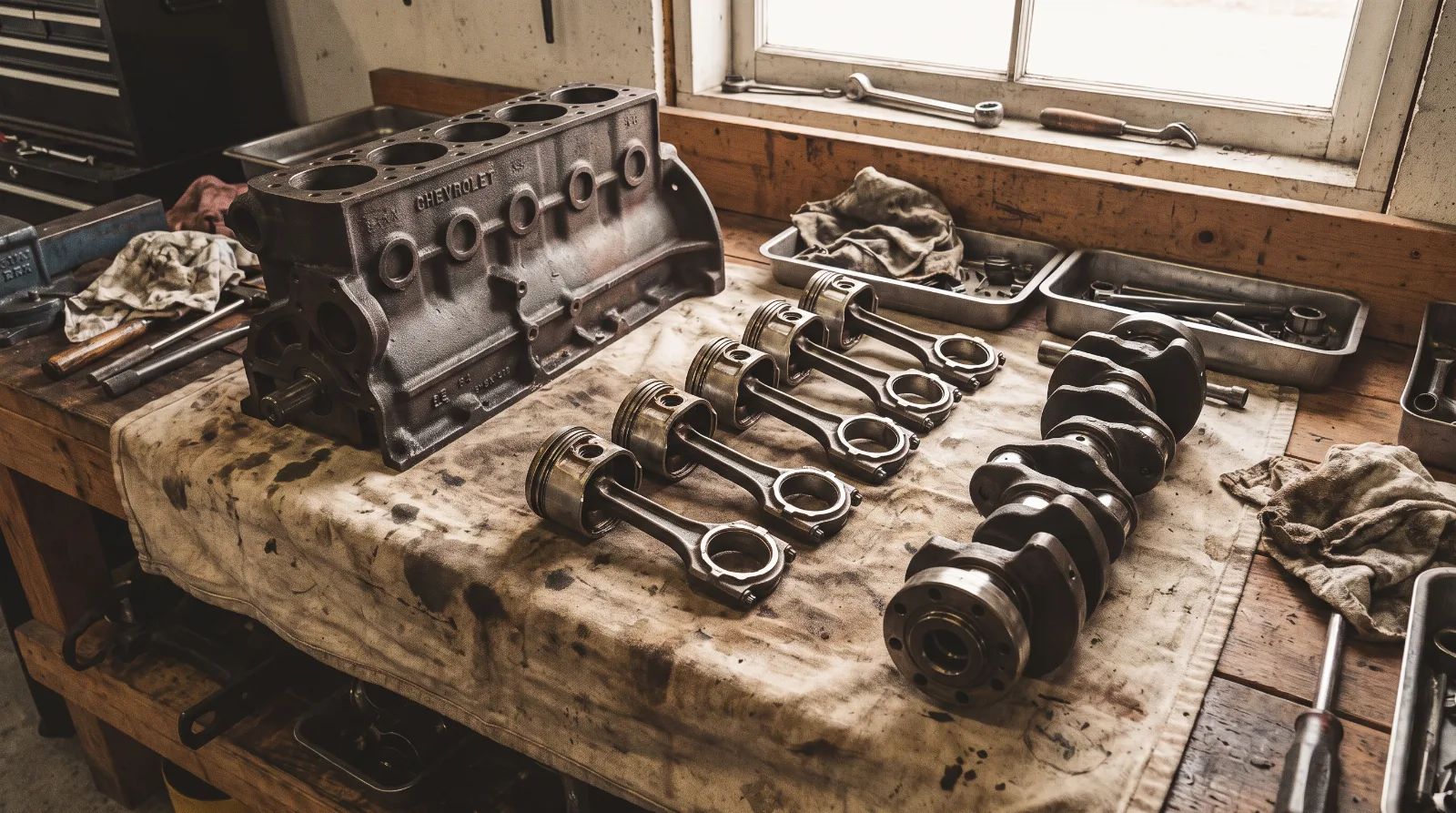
Rebuilding a Chevy 216
Rebuilding a 216 is not like rebuilding anything made after about 1955, and the difference is not the tools. It is that on most engines the botto...

The 1951 Chevrolet Apache
There is no 1951 Chevrolet Apache. The Apache name belongs to the generation of Chevrolet trucks that came after the one built in 1951, and it do...
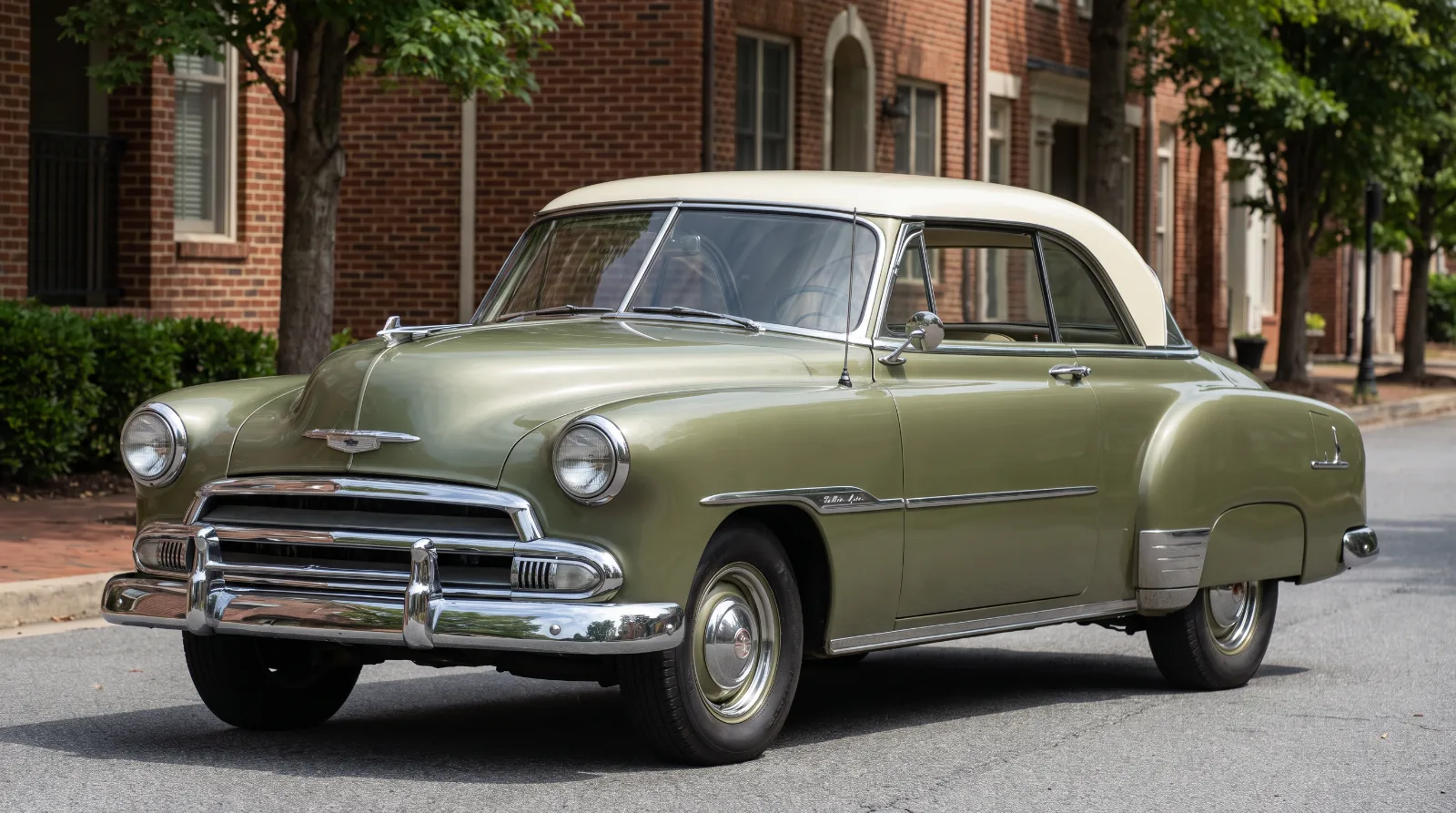
The 1951 Chevrolet Impala
There is no 1951 Chevrolet Impala. The name did not exist in 1951, the car did not exist in 1951, and nothing Chevrolet built that year was ever...