1951 Chevrolet Styleline Business Coupe
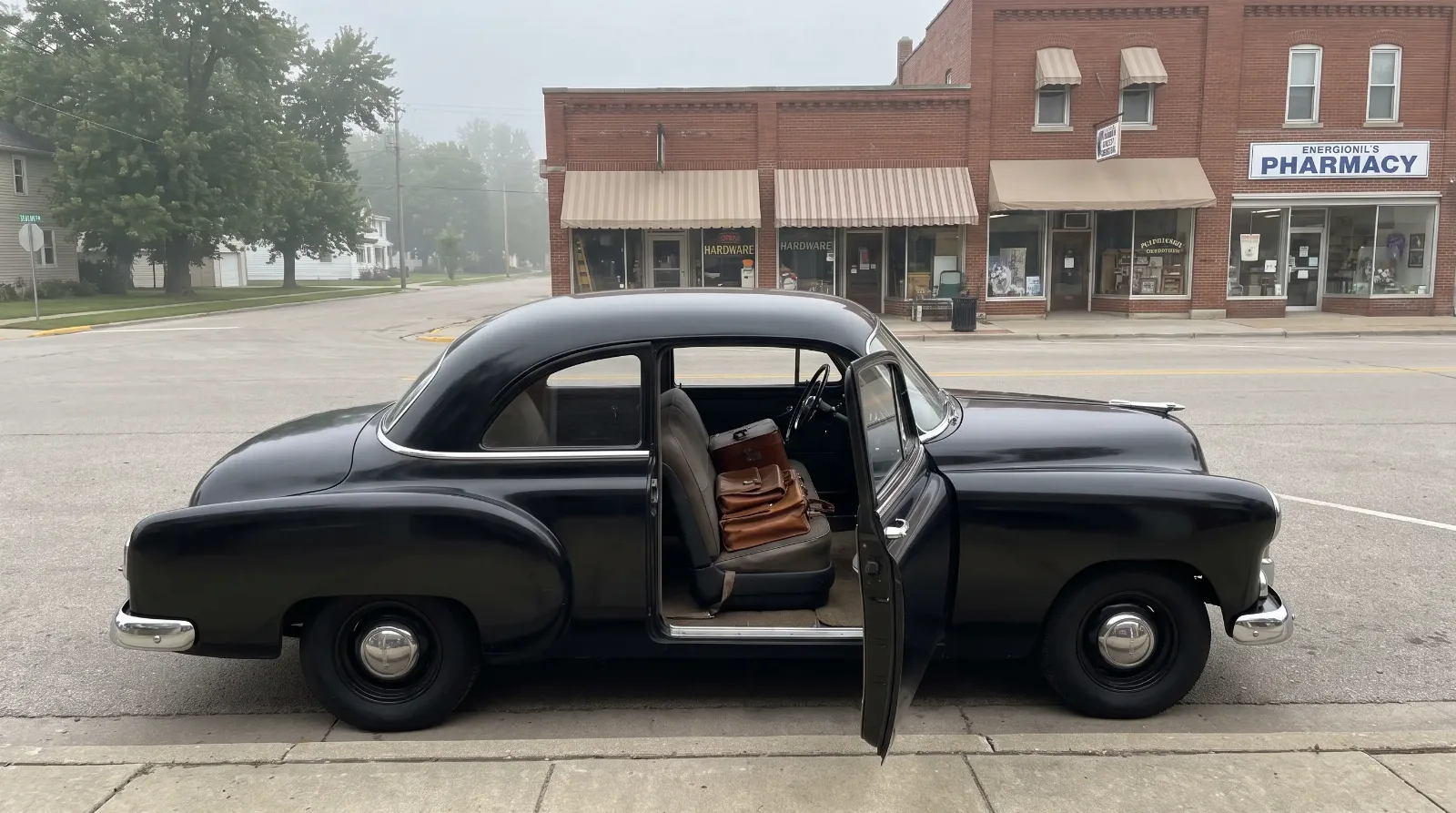
The 1951 Chevrolet business coupe is one of those cars that most people walk right past at a show without knowing what they are looking at. It sits on the same body as the rest of the 1951 Styleline line, wears the same nose and the same trim, but slide inside and something is missing. There is no back seat. Where the rear bench should be, you get a long empty floor and a package shelf running clear to the rear glass. That was the whole idea. The business coupe was built plain and built cheap for the man who needed to carry samples and tools more than he needed to carry passengers. I have always had a soft spot for these honest little cars, and I want to walk you through what a 1951 Styleline Business Coupe actually is before you go looking for one.
These were the traveling salesman's car, the tradesman's car, the plain-Jane price leader that let a working man drive a brand new Chevrolet without paying for a stitch of chrome he did not need. Today that same plainness is exactly what makes the body worth chasing, though for reasons the salesman who bought it new would never have guessed.
What a business coupe was
A business coupe is a two-door coupe built with no rear seat. That is the short version. The factory took the coupe body, left the back bench out, and turned all that room behind the front seat into cargo space. You got a long floor, a package shelf, and a trunk, all of it aimed at hauling goods instead of people. The name says it plainly. This was a car for business.
The buyer was the man who worked out of his car. The traveling salesman with a trunk full of samples. The tradesman with his tools and his parts. The company that needed a fleet of cheap, reliable cars and did not care whether four people could ride in comfort. For those buyers the missing back seat was not a sacrifice, it was the point. More room for the goods, less money out of pocket, and a new Chevrolet in the bargain.
Because it was the stripped-down car, the business coupe usually sat at the bottom of the price ladder, the least expensive way into a new Chevrolet that year. Less trim, less equipment, plainer inside. That price-leader status is a big part of the story, and it is why so few of them survived. Plain cars get used up and thrown away while the fancy ones get saved.
The 1951 Styleline Business Coupe
For 1951 the business coupe rode on the Styleline body, which was Chevrolet's notchback, the conventional coupe shape with a real trunk hanging off the back. Same chassis and same running gear as the rest of the line, same front sheet metal, but inside it was the sparse business layout with the long load floor and no rear seat. It sat toward the bottom of the 1951 range as the price leader of the closed cars, the plainest way into a new Chevrolet coupe that year.
If you set it next to the sport coupe, the difference is all in the back half of the cabin. The sport coupe gave you the full rear seat and the dressier appointments. The business coupe gave you the empty floor and the lower price. Same handsome body from the cowl forward, two very different cars once you open the door. When it came time to order one, the buyer picked from the same slate of hues offered across the line, and you can see the range in the paint codes that dressed these cars when they left the showroom.
| Attribute | 1951 Chevrolet Styleline Business Coupe |
|---|---|
| Body style | Two-door notchback coupe, no rear seat |
| Range position | Price leader of the closed cars |
| Interior layout | Front seat only, long load floor and package shelf |
| Engine | Overhead-valve inline six, 216.5 cu in "Stovebolt" |
| Rated power | Approximately 92 hp |
| Transmission | 3-speed manual on the column, no factory automatic |
| Powerglide | Not offered: a De Luxe-series option, and the business coupe was Special only |
Under the hood
There was nothing special waiting under the hood, and that was fine by the men who bought these. The 1951 business coupe ran the same overhead-valve inline six everybody nicknamed the Stovebolt. The base engine was the 216.5 cubic inch six rated at roughly 92 horsepower. It is not fast and it was never meant to be. It is a torquey, unhurried motor that will run a very long time if you keep oil in it and do not lug it, which is precisely what a fleet buyer wanted in a car that had to earn its keep every day.
The gearbox was the three-speed manual with the shifter on the column, and on this car it was the only gearbox there was. Powerglide, Chevrolet's two-speed automatic, had reached the passenger cars in 1950, but it was a De Luxe option and the business coupe was a Special-series car. Cars ordered with Powerglide also came with the larger 235 cubic inch six with hydraulic lifters, so the bigger engine arrived in the same package as the automatic, and neither one was offered on the price leader.
That is worth knowing before you go shopping. A genuine 1951 business coupe is a stick car with the 216. If somebody shows you one with an automatic in it, that is a swap. There is nothing wrong with the swap and plenty of these cars have had one, but it is not how the car left the plant, and you should not be paying an originality premium for it.
Why hot rodders love a business coupe
Here is where the story takes a turn the 1951 salesman never saw coming. The very things that made the business coupe cheap and plain in its day make it a favorite with hot rodders now. It is light, because there is less car in it. It is simple, because it wore less trim to begin with. And it has always been the cheap entry into the body, because nobody was saving the price-leader coupe. Light, plain, and cheap is exactly the recipe a builder wants.
That long empty load floor and the coupe roofline give a builder a clean canvas. Drop a modern drivetrain under a body this plain and you have a sleeper, a car that looks like grandpa's old work coupe and runs like something else entirely. The LSX swap crowd has taken to these bodies for that reason, the plain shape hiding a modern engine, the whole joke being that the car gives nothing away at a glance. A business coupe that looks like it should be delivering parts and instead lays down serious power is about as good a sleeper as the old Chevys make.
"Everybody wants the hardtop and the convertible, so they drive right past the plain coupe that started life hauling sample cases. That is the one I would grab. It is lighter, it is cheaper, and it wears its plainness like a disguise. Build a business coupe right and it looks like nothing until it is already gone."
— Earl Dawson
Finding and restoring one
The business coupe is the harder one to find, and the reason is simple. Fewer were babied. The dressed-up cars with the nice trim got saved and pampered, while the plain fleet coupes got worked, used up, and sent to the crusher. So a clean 1951 business coupe is a rarer sight today than the sedan numbers would suggest, even though it was never a glamorous car when it was new.
When you go looking, buy the body first. The Stovebolt six is a known quantity and parts to rebuild it are around, so a tired engine is a budget line and not a dealbreaker. The sheet metal is what decides whether the car is a driver or a project. Pull the mats and look hard at the floors and the load area, because water that got past the glass or the seams ran down and sat in there for decades. Check the lower rear quarters and the trunk floor too. And confirm the drivetrain is what it ought to be, because a factory business coupe is a 216 with a three-speed and anything else means somebody has been in there. Get a feel for condition and price across several cars before you commit, because on a body this plain the metal is the entire purchase.
A 1951 Styleline Business Coupe is not the car that wins the trophy, and it never was. It is the honest working coupe that carried a salesman's livelihood in the space where the back seat used to be. That plainness kept it cheap in 1951 and keeps it interesting now, whether you want a clean original driver or a light, unassuming body to build into something with a surprise under the hood. Find a solid one, keep the Stovebolt fed or swap in something modern, and you will have a piece of Chevrolet that most people never even knew existed.
The series it sits in, and what else Chevrolet put in it, is the Special series. If what you actually want is the same body with a back seat in it, that comparison is in the 1951 Chevrolet sedan.
Sources and notes
- Wikipedia: Coupé (business coupe definition) confirms the business coupe as a two-door with no rear seat, aimed at traveling salespeople carrying their wares.
- Conceptcarz: 1951 Chevrolet DeLuxe Series specifications lists the 216 cu in six at 92 hp and the 235 cu in six at 105 hp, with three-speed manual or Powerglide automatic.
- Hot Sixes: Chevrolet inline-six encyclopedia gives the 216.5 cu in Stovebolt at 92 hp by 1949 and the 235 introduced in 1950 for the Powerglide.
- Secrets of the Chevy Powerglide 1950-73, Mac's Motor City Garage documents Powerglide as a De Luxe-only option at introduction, priced at $159, paired with the larger 235 cu in hydraulic-lifter six.
- 1951 Chevrolet Special Series specifications, Conceptcarz lists the business coupe within the Special series at $1,450 with 17,020 built, which is why no factory Powerglide car exists in this body style.
- Hagerty Marketplace: 350-powered 1951 Styleline Business Coupe shows a bare-bones business coupe (originally a 216 six with three-speed manual) rebuilt as a V8 restomod.
- Hagerty Valuation Tools: 1951 Chevrolet Styleline Special covers condition values and the Special/Deluxe body-style hierarchy for the range.
More from the garage
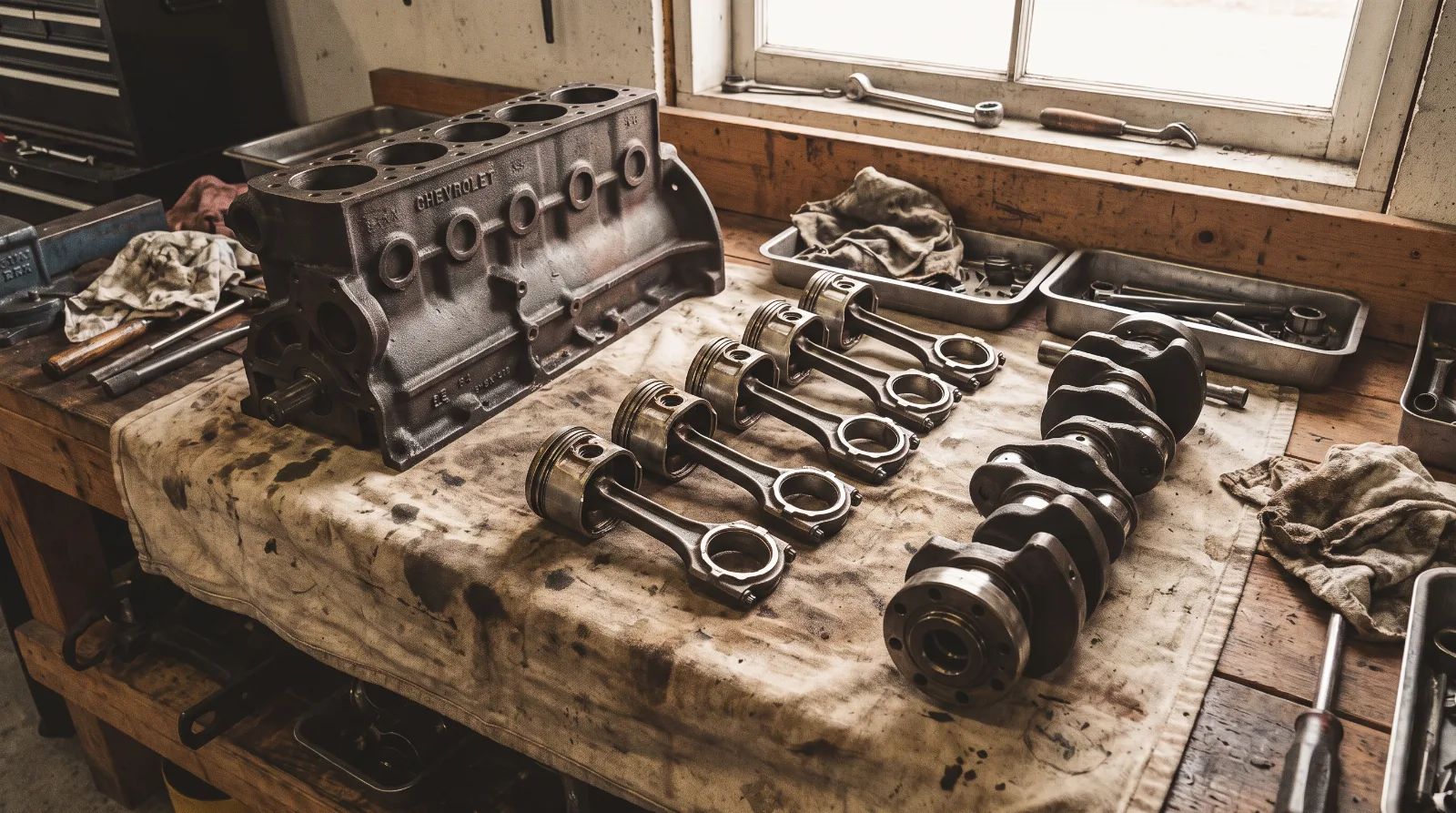
Rebuilding a Chevy 216
Rebuilding a 216 is not like rebuilding anything made after about 1955, and the difference is not the tools. It is that on most engines the botto...
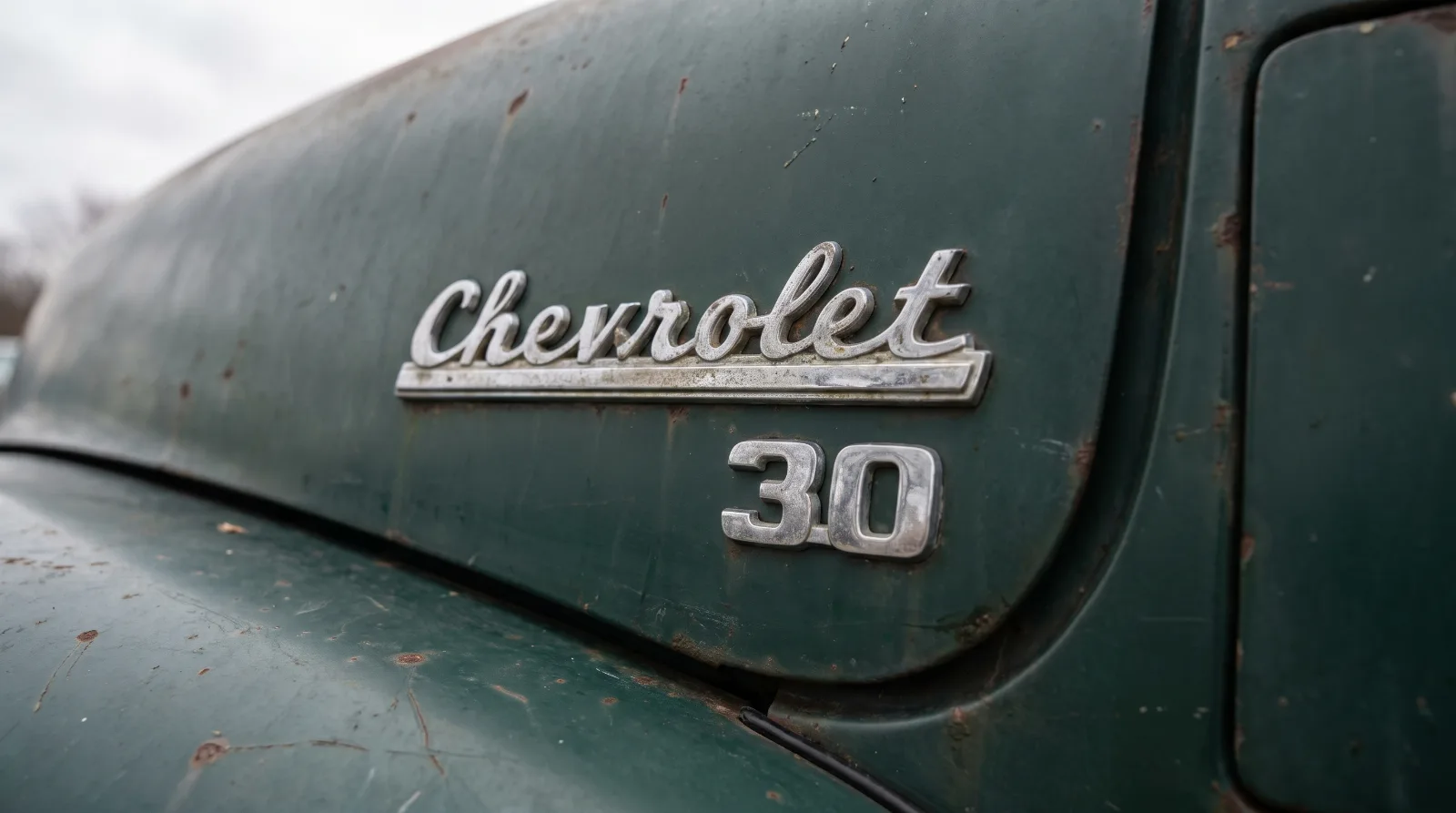
The 1951 Chevrolet Apache
There is no 1951 Chevrolet Apache. The Apache name belongs to the generation of Chevrolet trucks that came after the one built in 1951, and it do...
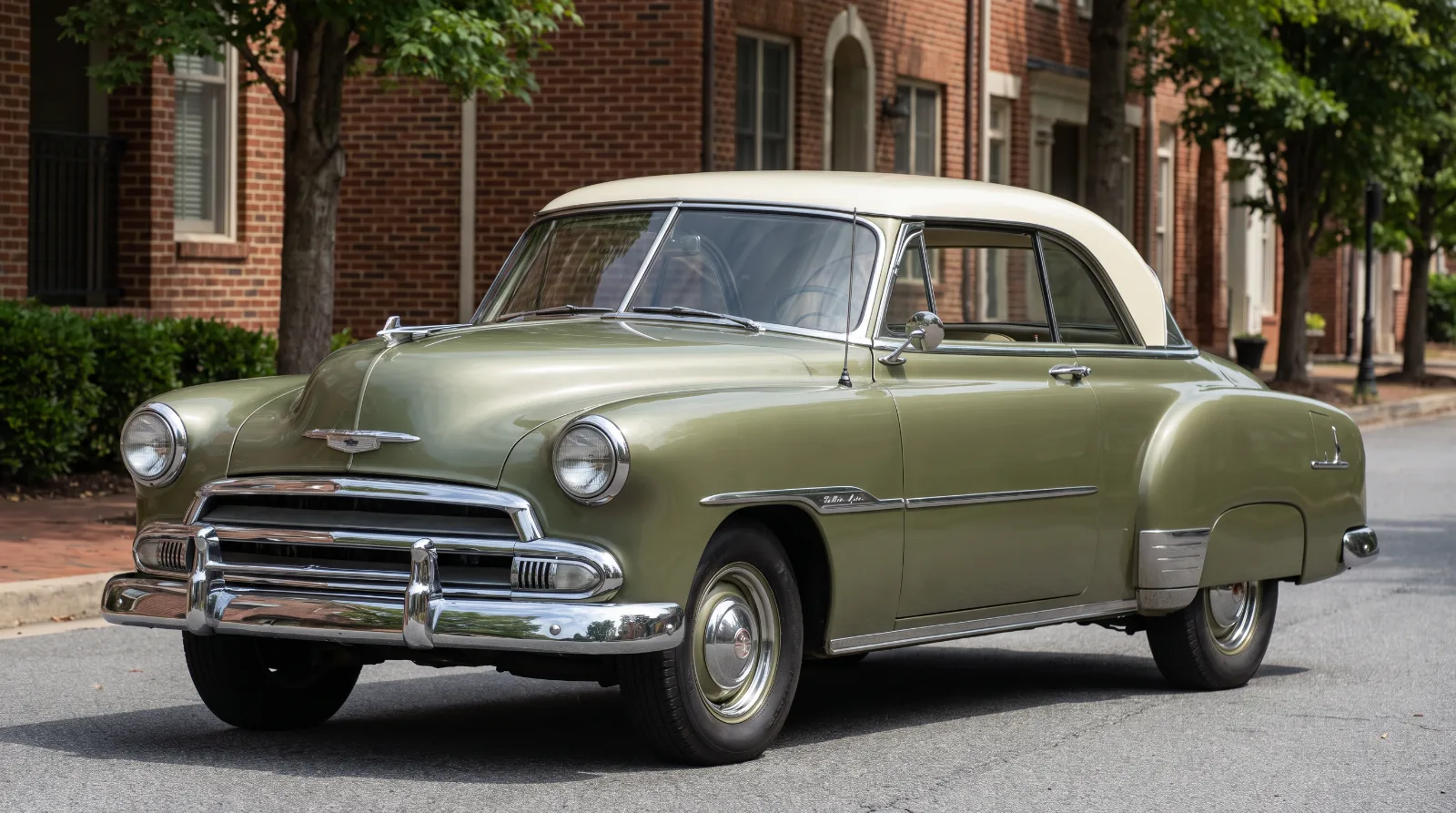
The 1951 Chevrolet Impala
There is no 1951 Chevrolet Impala. The name did not exist in 1951, the car did not exist in 1951, and nothing Chevrolet built that year was ever...