1951 Chevrolet De Luxe Coupe
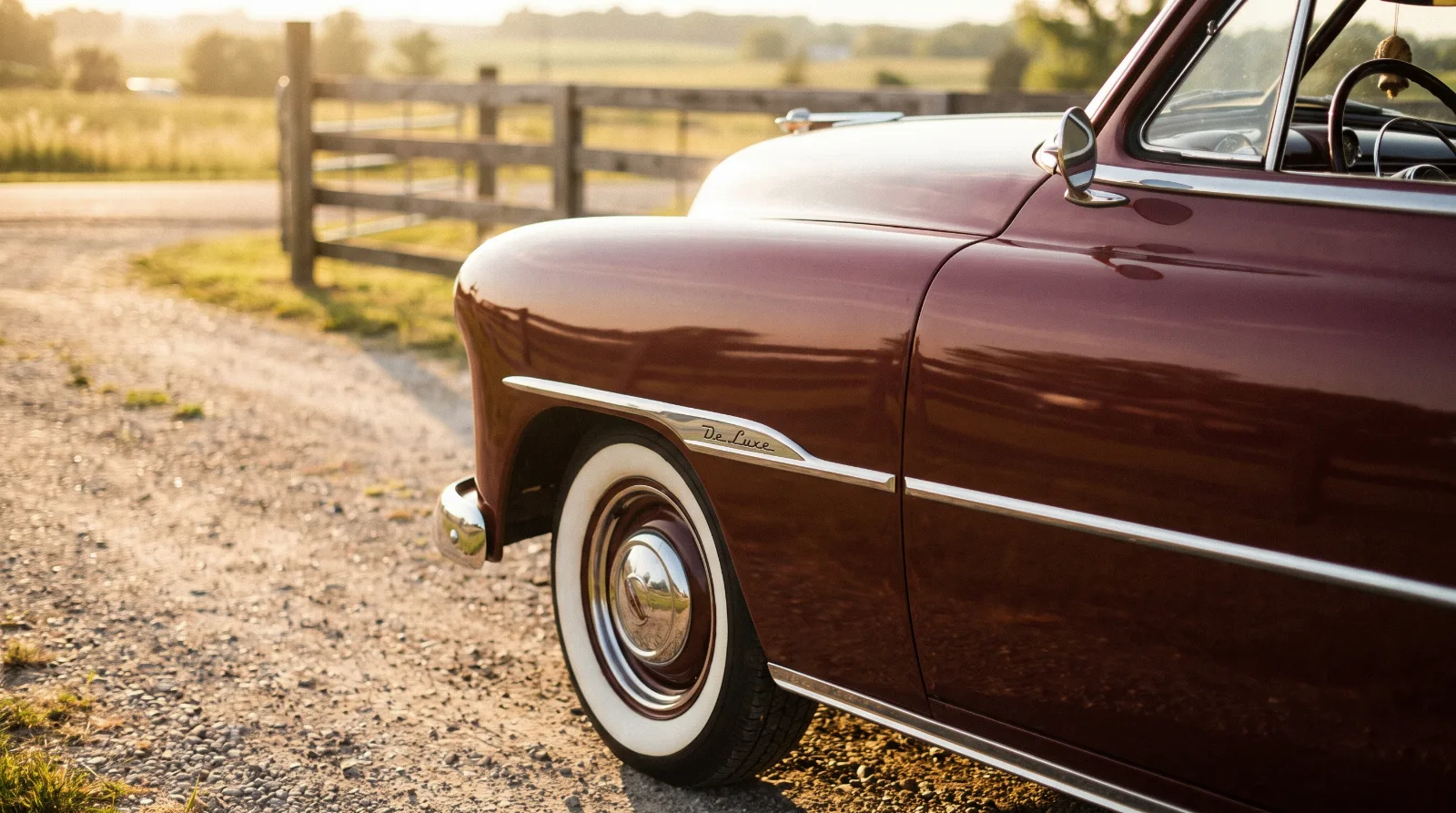
De Luxe coupe is a phrase that comes off an old dealer advertisement rather than off a factory chart, which is why it causes so much trouble in classified listings. Chevrolet never built a car whose name was simply the 1951 De Luxe Coupe. What it built were three coupes inside the De Luxe series, and depending on who wrote the ad, any one of the three might turn up under that heading.
If you are shopping and somebody sends you a 1951 De Luxe coupe, this page is the two minutes that tells you which of the three you are actually being offered, and what the difference is worth.
The three coupes inside the 1951 De Luxe series
The De Luxe series was numbered 2100. Inside it, Chevrolet built four Styleline bodies with two doors: the sport coupe, the Bel Air, the convertible and the two-door sedan. The factory identification chart calls the convertible a convertible coupe, which is where a good deal of the confusion starts. Three of those four are coupes by anybody's reckoning.
| Model | Factory name | Roof | Price | Built |
|---|---|---|---|---|
| 2124 | Styleline Sport Coupe | Steel, with a post | $1,650 | 64,976 |
| 2154 | Styleline De Luxe Bel Air | Steel, no post | $1,900 | 103,356 |
| 2134 | Styleline Convertible Coupe | Folding fabric | $2,020 | 20,172 |
Three cars, three roofs, a $370 spread from the cheapest to the dearest when they were new, and a much wider one today. The one at the top of the table is the one most people mean, because it is the ordinary De Luxe coupe and there were nearly sixty-five thousand of them.
What De Luxe actually bought you
Take the Special sport coupe and the De Luxe sport coupe. Same body, same doors, same glass, same roof, and $100 between them in 1951. That hundred dollars went on things you can see and one thing you cannot.
What you see is the stainless side molding starting above the front fender and running back onto the front door, the name spelled out above the front wheel opening, and a better interior: nicer cloth, a nicer dash treatment, more bright trim around the glass. On the Bel Air the interior goes further again, with leather available and bright metal bows across the headliner in the pattern of a folding top.
What you cannot see is the option list. Powerglide was a De Luxe option, priced around $159, and it came only with the larger 235.5 cubic inch six rated at 105 horsepower. A Special could not be ordered with either. So a genuine factory automatic 1951 Chevrolet coupe is by definition a De Luxe coupe, and that is one of the few claims in this hobby you can check from the driver's seat.
"The hundred dollars between a Special and a De Luxe bought trim and a chance at the automatic. Seventy-five years later the trim is what people pay for and the automatic is what they want. Funny how that turned around."
— Earl Dawson
Telling the three apart, and telling a fake
The roof settles it every time.
A post between the door glass and the quarter glass means the sport coupe, model 2124. Wind both windows down and there is still steel in the middle of the opening.
No post at all means the Bel Air. Both windows down and the whole side of the car is open. That is the pillarless hardtop that arrived at Chevrolet for 1950, and it is the single most valuable thing about the car.
A folding top means the convertible, model 2134. Worth checking the body for a hardtop that has had its roof cut off, which happens more often than anybody likes to admit. A factory convertible has reinforcement in the floor and the rocker area that a converted hardtop does not, and the serial number sequence will not match the body tag.
Check this first
- The body tag under the hood, against the serial plate on the door post. The body number tells you what it left the factory as. The serial plate tells you the year and series. J for 1951, K for De Luxe.
- Side trim against interior trim. A Special with De Luxe molding screwed on is common. The dash, the cloth and the bright work around the glass are much harder to fake.
- Two pedals with no De Luxe trim anywhere. That is a swapped drivetrain, not a rare car.
- On a Bel Air, the quarter glass and its channels. No post means nothing supports the door glass at the back. Sagging doors, worn hinges and leaks all show up together.
- Floors and the trunk drop. Water comes past the glass channels and sits. Lift the mat every time.
- On a convertible, the floor and rocker reinforcement. If it is not there, somebody made this car a convertible with a saw.
Which one to go and look at
The sport coupe is the sensible answer, and I say that as somebody who likes the Bel Air a great deal. It has the De Luxe trim, it has the same access to Powerglide and the 235, it seats four properly, and it has a steel post holding everything where it belongs. It also asks a good deal less than a Bel Air in the same condition, because the badge is worth real money.
The Bel Air is the one to buy if you want the car people recognise, and if you are prepared for the roof. The convertible is the one to buy if you already know you want a convertible, because nobody talks themselves into one.
For the ordinary De Luxe coupe on its own, in detail, go to the Styleline De Luxe Sport Coupe. For the whole De Luxe series and what separated it from the Special, that is the 1951 Chevrolet Styleline De Luxe. And if you are still working out which coupe you want across both series, all four of them are laid out in the 1951 Chevrolet coupe.
Sources and notes
- 1951 Chevrolet passenger car models chart, The Old Car Manual Project - the factory table naming model 2124 sport coupe, 2154 Bel Air and 2134 convertible coupe inside series 2100, and 1504 business coupe in series 1500 only.
- 1951 Chevrolet De Luxe Series specifications, Conceptcarz - factory prices, shipping weights and production totals for the De Luxe sport coupe, Bel Air and convertible.
- 1951 Chevrolet Special Series specifications, Conceptcarz - the Special sport coupe at $1,550 against the De Luxe at $1,650, and the business coupe confined to the Special series.
- Chevrolet Deluxe, Wikipedia - Powerglide offered only on De Luxe and Bel Air models, the 216.5 and 235.5 engines, and the Bel Air's cord and leather-grain trim.
- 1950: the birth of the Chevrolet Bel Air, Mac's Motor City Garage - the pillarless hardtop roof arriving for 1950, the bright headliner bows, and the Bel Air as the most expensive coupe in the range.
- 1951 Chevrolet Styleline De Luxe listings, ClassicCars.com - live inventory, including how loosely the phrase De Luxe coupe gets used in listing titles.
More from the garage
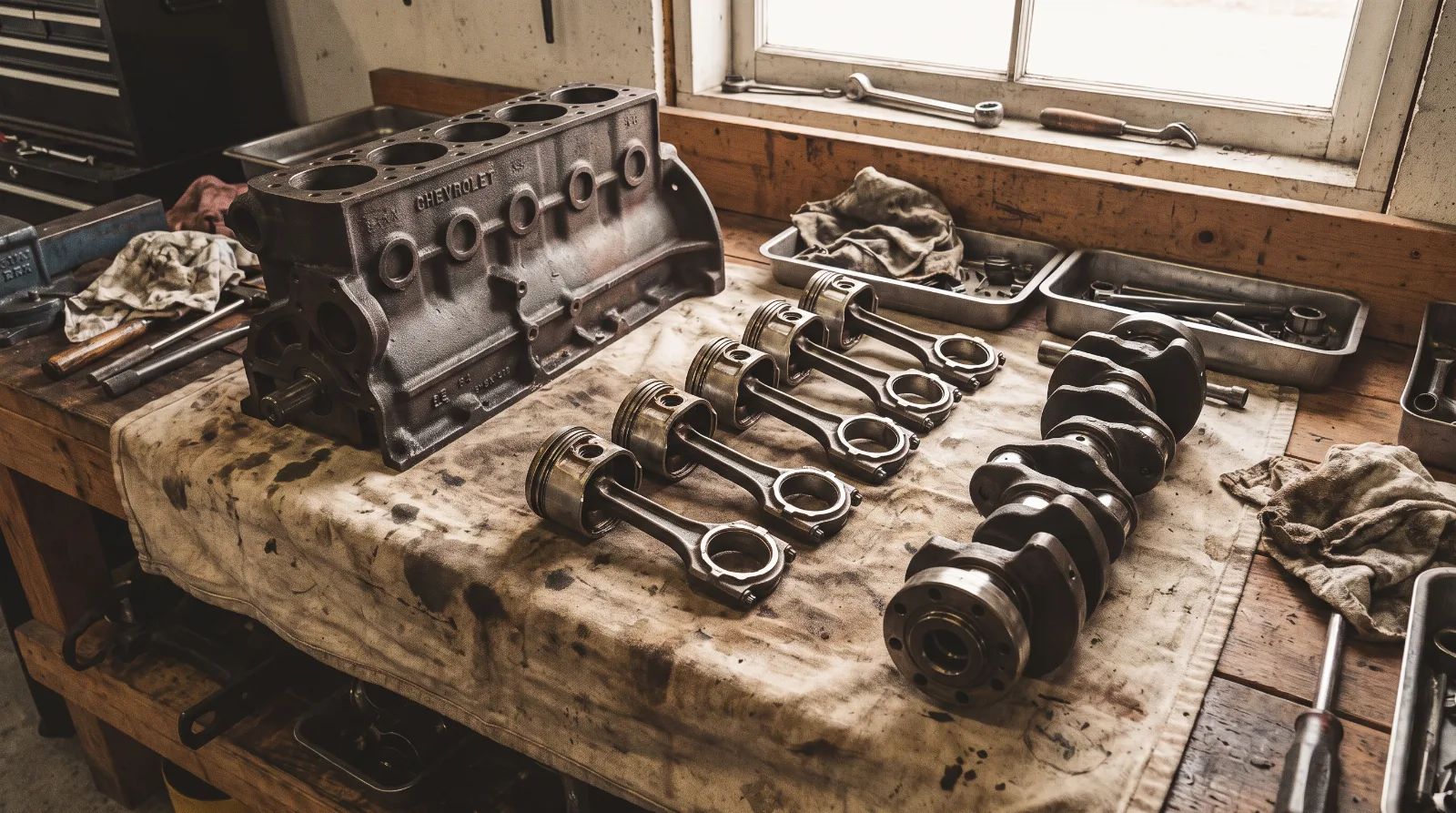
Rebuilding a Chevy 216
Rebuilding a 216 is not like rebuilding anything made after about 1955, and the difference is not the tools. It is that on most engines the botto...
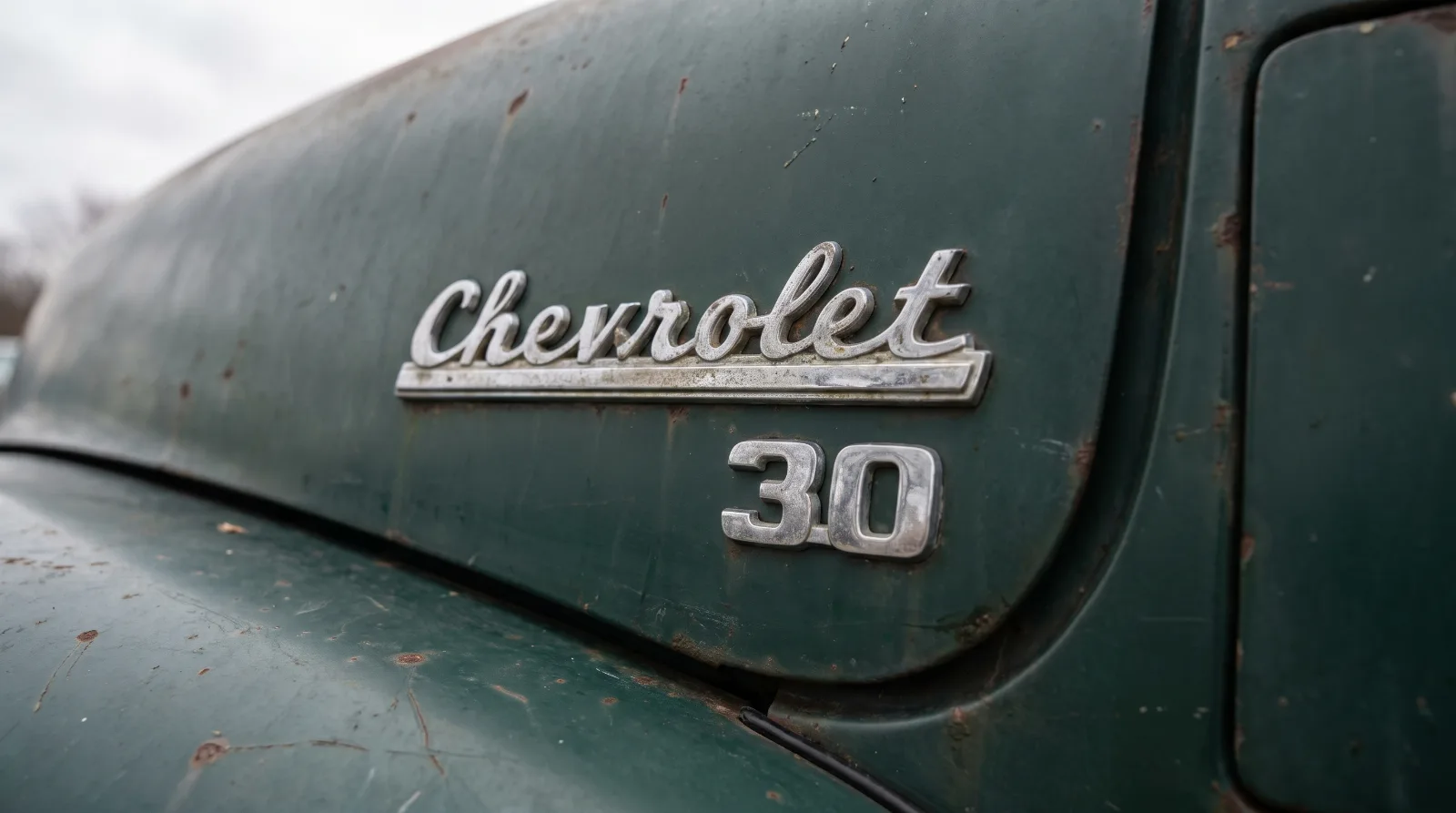
The 1951 Chevrolet Apache
There is no 1951 Chevrolet Apache. The Apache name belongs to the generation of Chevrolet trucks that came after the one built in 1951, and it do...
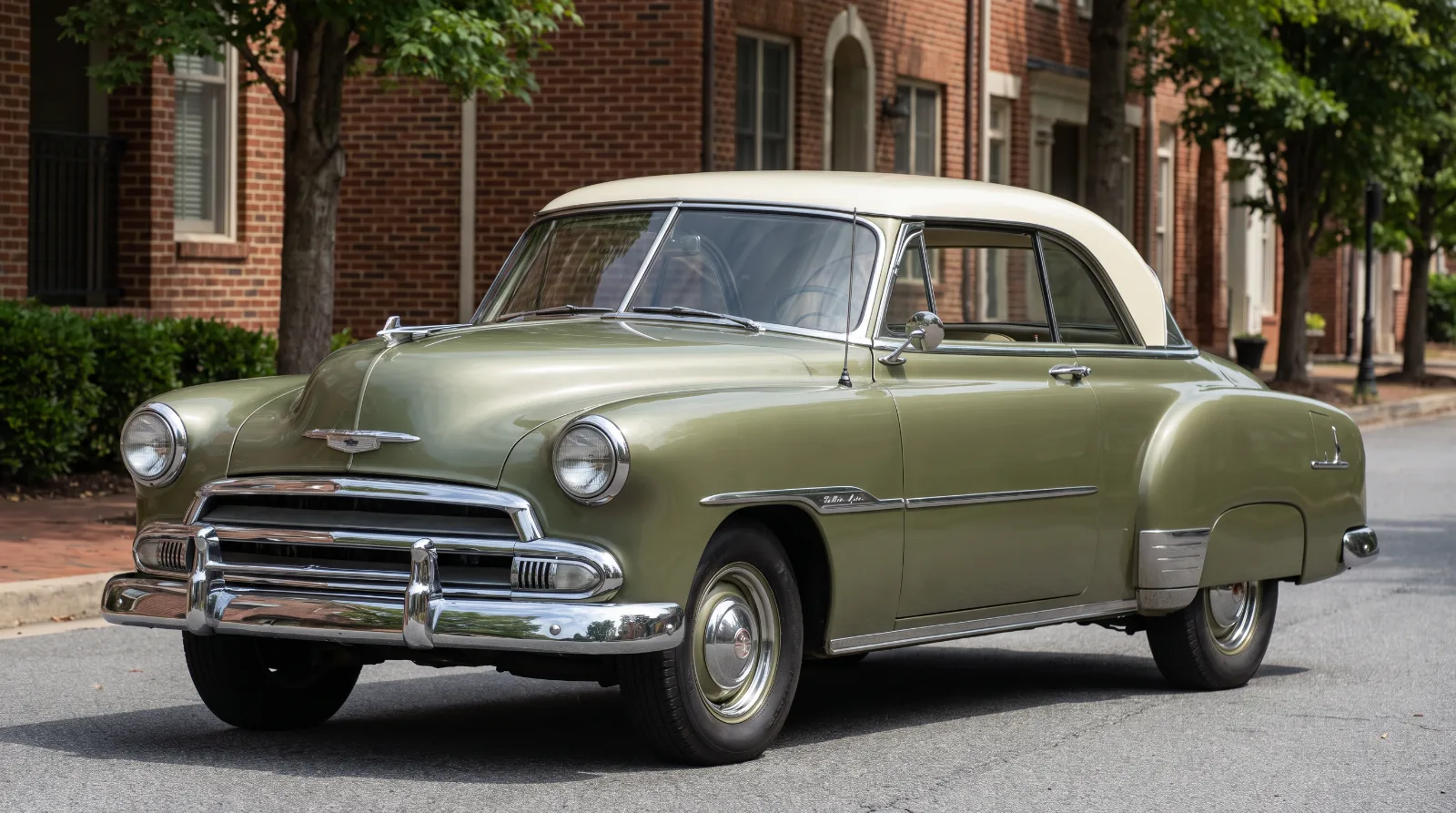
The 1951 Chevrolet Impala
There is no 1951 Chevrolet Impala. The name did not exist in 1951, the car did not exist in 1951, and nothing Chevrolet built that year was ever...