The Chevy Powerglide
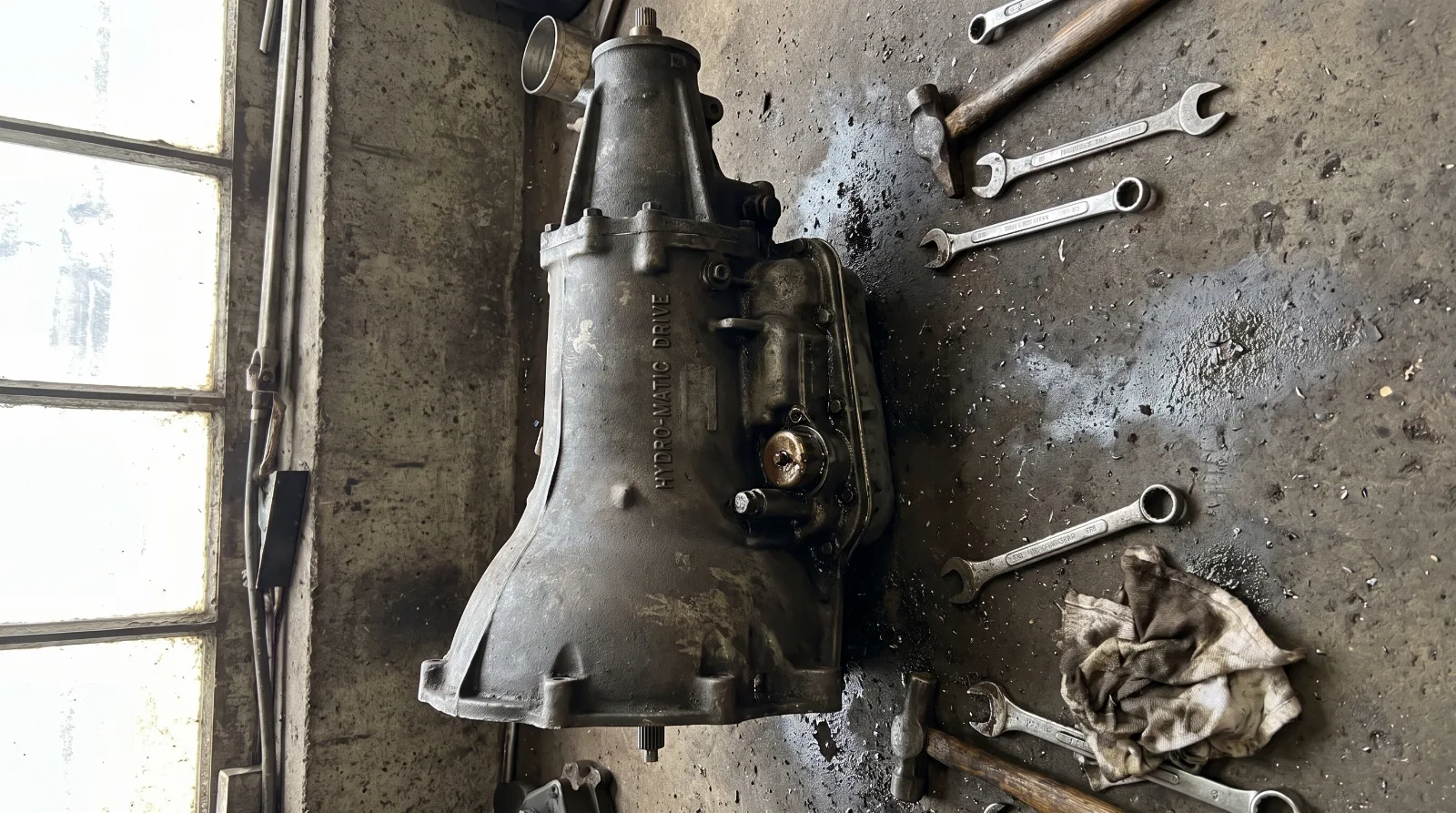
The Powerglide is the reason half the arguments about 1951 Chevrolets happen. It is the option that decides which engine the car has, which series it belongs to, and how much it cost new. And almost everything written about it describes the version from 1953 onward, which is not the version in a 1951.
So here is the one that matters for this year, and the thing about it that surprises everybody: the 1951 Powerglide does not shift by itself.
What Chevrolet actually launched
Powerglide arrived in January 1950 and it was the first automatic transmission offered in a low-priced car. Ford did not have one until 1951, Plymouth not until 1954. For a company selling the cheapest full-size car in America, that was a genuine coup, and Chevrolet charged for it: around $159 on top of a De Luxe that listed between $1,529 and $1,991.
It was a De Luxe option and only a De Luxe option. That is the single most useful fact on this page, because it means a Special series car with two pedals has been converted, whatever anybody tells you.
| 1951 Powerglide car | 1951 manual car | |
|---|---|---|
| Series | De Luxe or Bel Air only | Special or De Luxe |
| Engine | 235.5 cu in, 105 hp, hydraulic lifters | 216.5 cu in, 92 hp, solid lifters |
| Price of the option | about $159 | n/a |
| Gearbox | Two-speed planetary with a torque converter | Three-speed manual, column shift |
The part everybody gets wrong
Between 1950 and 1952 the Powerglide had no automatic upshift. None. In Drive the car pulled away on the torque converter alone and stayed in top, with the converter doing all the multiplying, and it did that from a standstill. If you wanted brisker acceleration you selected Low yourself and moved it up yourself, usually somewhere around thirty to forty miles an hour.
Automatic upshifting arrived for 1953, with the shift point set by throttle position. That is the change that made the thing popular: by the middle of the decade more than half of all new Chevrolets were sold with Powerglide.
So if you drive a 1951 Powerglide car and it feels slow to gather itself from a junction, nothing is wrong with it. That is the transmission working exactly as designed. The nickname the era gave it, slip-and-slide Powerglide, came from precisely this, and from the way engine speed and road speed drift apart under the converter.
"People buy a 1951 automatic, drive it, and take it straight to a shop saying it will not shift. It will not shift because it cannot shift. You are the shift. That did not change until 1953 and it is not a fault."
— Earl Dawson
How it works inside
Two parts, and the first one does most of the work.
The torque converter. A five-element, bolt-together unit with a torque multiplication factor of 2.20 to one. That figure is why the car moves at all from rest in top gear: the converter is doing what a first gear would do on a manual car, at the cost of slip and heat.
The planetary gearset. Two speeds, with a first-gear ratio of 1.82 to one. In ordinary driving on a 1950 to 1952 car you simply did not use it unless you selected it.
Everything is cast iron. Powerglide stayed cast iron from 1950 until 1963, and the aluminium version people mean when they talk about drag racing arrived in 1962 on the Chevy II. If somebody is offering you an aluminium Powerglide for a 1951, it is a later unit.
Buying, and what to check
Check this first
- Two pedals plus a Special badge. That combination did not leave the factory. Price it as a converted car.
- Two pedals plus a 216. Same answer. The automatic came with the 235.
- Cast iron, not aluminium. An aluminium case is 1962 or later and belongs to a different car.
- Whether it upshifts on its own. On a genuine 1951 unit it will not. If it does, somebody has fitted a 1953 or later gearbox, which is a common and sensible swap but is not original.
- Fluid condition and smell. Burnt fluid on a seventy-five year old cast iron unit is the same bad news it is on anything else.
- The engine that came with it. The 1951 235 is still the early splash-fed engine, not the full-pressure one from 1953. Do not pay for the later engine and get this one.
Where it sits in the 1951 range
Powerglide is the line between the two series as much as the side trim is. It was a De Luxe option, it brought the bigger engine with it, and it added about ten percent to the price of the car. Which cars could have it, and what else the money bought, is in the notchback De Luxe.
The engine every other 1951 got instead is in what the 216 is, and the three-pedal alternative is in the three speed. If you are working on the unit itself, telling the versions apart, and knowing which parts will and will not fit, is in Powerglide identification. Where the whole drivetrain sits in a restoration is in the order of work.
Sources and notes
- Powerglide, Wikipedia - produced 1950 to 1973, introduced January 1950 as the first automatic in a low-priced car ahead of Ford in 1951 and Plymouth in 1954, no automatic shifting on the 1950 to 1952 units with the driver moving Low to High around 30 to 40 mph, automatic upshift from 1953 with the shift point set by throttle, more than half of new Chevrolets sold with it by the mid 1950s, cast iron from 1950 to 1963 and aluminium from 1962 on the Chevy II.
- Secrets of the Chevy Powerglide 1950-73, Mac's Motor City Garage - the $159 option price against a De Luxe base of $1,529 to $1,991, De Luxe models only, the 235 cubic inch engine with hydraulic lifters at 105 horsepower supplied with it against the standard 216.5 at 90, the five-element bolt-together converter with 2.20:1 multiplication, the 1.82:1 first gear, the car remaining in top in normal driving, and the slip-and-slide nickname.
- Chevrolet Deluxe, Wikipedia - the automatic offered exclusively on De Luxe and Bel Air models, and the 216.5 Thrift-Master against the optional 235.5 Blue Flame six.
- 1951 Chevrolet De Luxe Series specifications, Conceptcarz - the 92 and 105 horsepower ratings and the De Luxe price list the option sat on top of.
- 1951 Chevrolet passenger car models chart, The Old Car Manual Project - the factory split between series 1500 Special and series 2100 De Luxe that decided which cars could be ordered with the automatic.
- Chevrolet Stovebolt engine, Wikipedia - Blue Flame applied officially only from 1953 and then only to the 235 coupled to Powerglide.
More from the garage
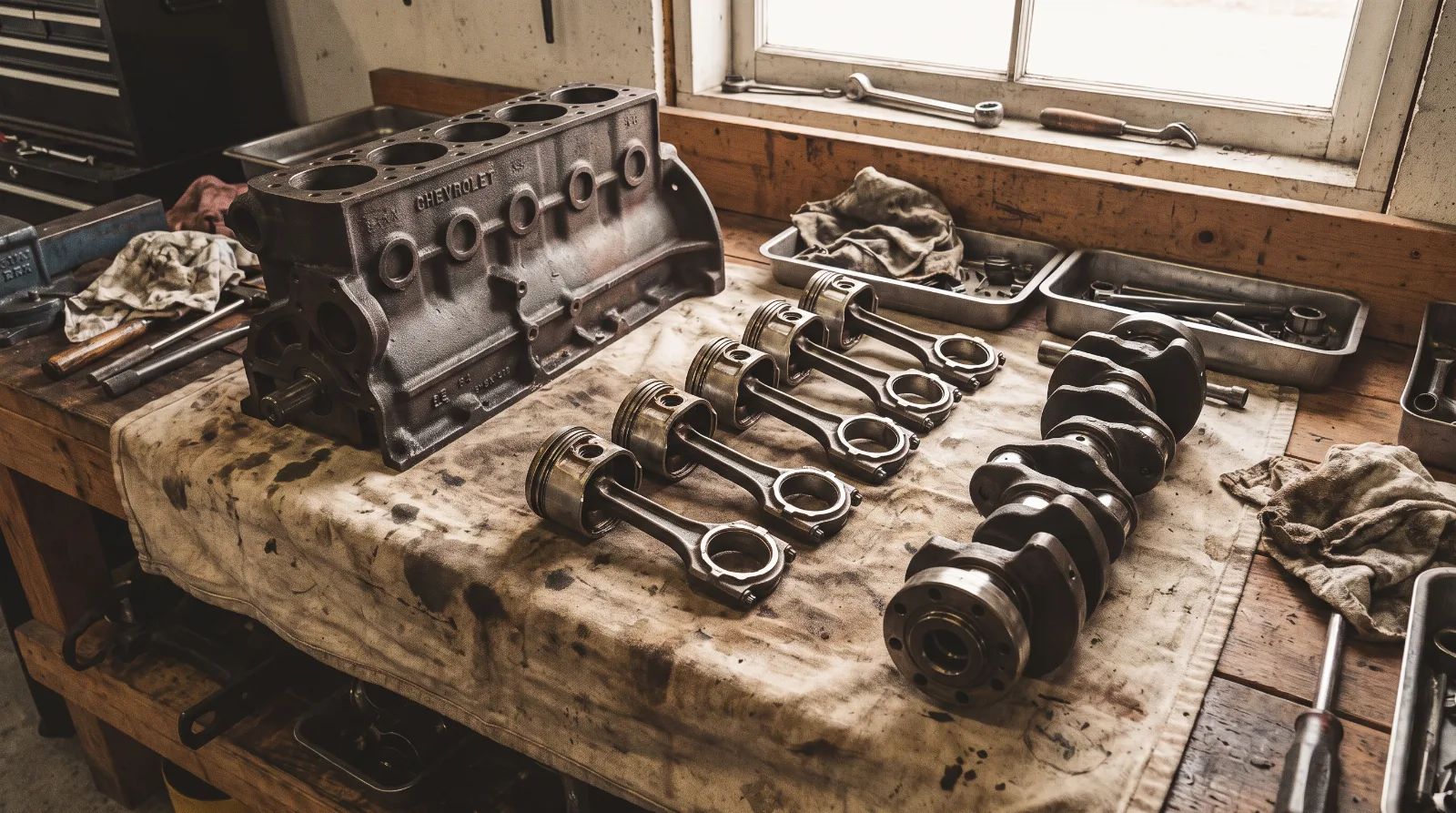
Rebuilding a Chevy 216
Rebuilding a 216 is not like rebuilding anything made after about 1955, and the difference is not the tools. It is that on most engines the botto...

The 1951 Chevrolet Apache
There is no 1951 Chevrolet Apache. The Apache name belongs to the generation of Chevrolet trucks that came after the one built in 1951, and it do...
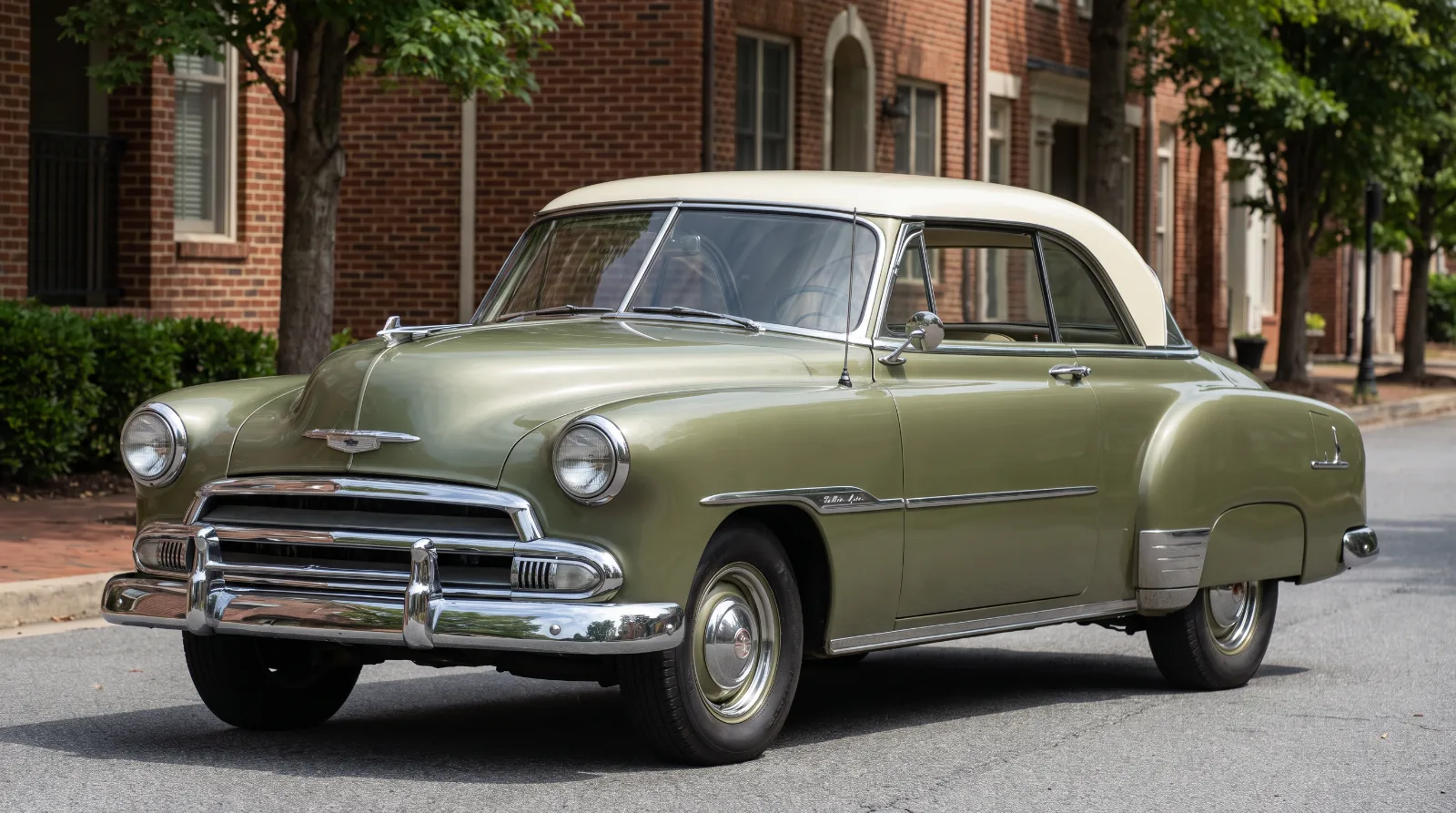
The 1951 Chevrolet Impala
There is no 1951 Chevrolet Impala. The name did not exist in 1951, the car did not exist in 1951, and nothing Chevrolet built that year was ever...