1951 Chevrolet Passenger Car Features
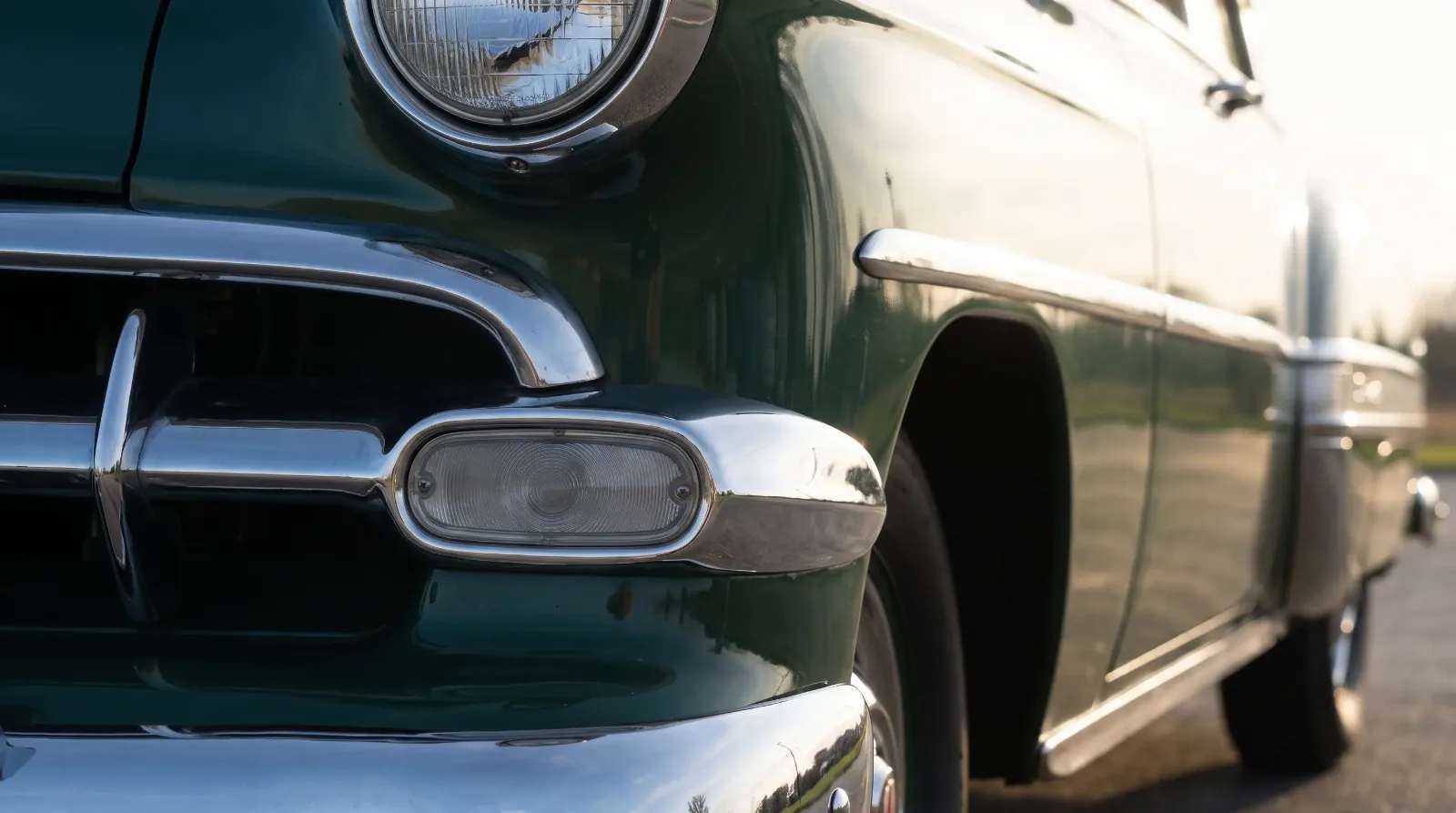
Chevrolet did not redesign the car for 1951. It went through it. The 1949 body was only two years old and it had been a hit, so what the 1951 buyer got was the same good bones with the details worked over. A cleaner grille, a squarer back end, a new instrument panel to look at, and a list of features the salesman could recite while you walked around the car on the lot.
That list is worth going through properly, because most of it is invisible in photographs and most of it is what you actually live with when you own one. This is the walk-around I would give you if we were standing in front of a 1951 Chevrolet with the hood up and nowhere else to be.
What is new on the outside for 1951
Start at the nose. The 1951 grille is simpler than the 1950, with the parking lights set wide apart and the Chevrolet script across the front. The horizontal bar wraps around the parking lights rather than running past them, which cleans up the whole face of the car. It is a small change on paper and a noticeable one in the metal, and it is the fastest way to tell a 1951 from a 1950 head on.
Walk to the back and the rear fenders are higher and squarer than the 1950, with the lamps sitting out on the fender ends. That change went across the whole range, hardtops and sedans and wagons alike. Squaring off the rear and pushing the lamps outboard makes the car look wider from behind than it really is, which was exactly the point. Every stylist in Detroit was chasing width in 1951.
Then look along the side, because this is where the money shows. De Luxe cars carry a stainless molding that begins above the front fender and runs back onto the front door, with the Deluxe name spelled out above the front wheel opening. Special cars carry none of it. That single strip of trim is the quickest series identification there is, and it is also the first thing a seller adds to a Special to make it look like something it is not.
The features Chevrolet actually advertised
Look at what the sales literature pushed and you learn what buyers cared about in 1951, which was not horsepower. It was body quality, ride and visibility.
| Feature | What it means on the car |
|---|---|
| Body by Fisher | The Fisher Body coachwork name, and the body number plate on the cowl that goes with it |
| Knee-Action front suspension | Independent front suspension, the ride advantage Chevrolet had been advertising since the 1930s |
| Curved two-piece windshield | Curved glass in two pieces with a center divider, not the flat panes of the prewar cars |
| Safety-Sight instrument panel | Curved panel with the instruments grouped into two clusters and lighting arranged to kill glare |
| Stovebolt six | 216.5 cu in overhead-valve six, 92 hp, three-speed manual on the column |
| Powerglide, De Luxe only | Two-speed automatic, and cars ordered with it got the larger 235.5 cu in six at 105 hp |
The Safety-Sight panel is the one people notice first when they sit in a 1951 for the first time. The instruments are grouped into two clusters instead of scattered across the dash, the panel curves toward the driver, and the lighting was arranged so the glass does not throw glare back at you at night. It reads as modern in a way the rest of the car does not.
Knee-Action was Chevrolet's name for independent front suspension, and it had been a selling point since the middle 1930s. By 1951 it was old news technically and still worth advertising, because the competition at this price had spent years catching up. It is also the reason a 1951 Chevrolet rides better than most people expect the first time they drive one.
Inside the car
The 1951 interior follows the series split. Special cars get plainer cloth, less brightwork on the dash and around the glass, and a simpler door panel. De Luxe cars get better fabric, more chrome and a generally richer feel. Wagons and convertibles and the Bel Air each had their own treatment on top of that, which is why an interior can tell you what a car started life as even when the outside trim has been changed.
Color mattered more than people remember. Chevrolet offered a proper chart of factory hues in 1951, and interiors were specified against them rather than picked at random. If you are putting a car back the way it left the plant, start with the factory paint chart and work inward, then match what goes on the seats and door panels using the cabin itself.
Then there is everything the dealer sold you after you signed. Radios, heaters, spotlights, sun visors, wheel trim, all of it ordered off a separate list and fitted in the back of the dealership. The catalog was long and a fair amount of it still turns up at swap meets, which is covered in Chevrolet dealer accessories.
"Nobody bought one of these because it was fast. They bought it because the doors shut right, the seat was comfortable, and it rode better than anything else on the lot for the money. Seventy-five years later that is still what these cars are good at."
— Earl Dawson
Why the details matter when you buy
Everything above is also a checklist. The trim on a 1951 Chevrolet is what separates a correct car from a car somebody dressed up, and it is the part of a restoration that costs the most time. Sheet metal you can buy or fabricate. Correct De Luxe stainless in good condition, correct instrument panel pieces, correct Bel Air headliner bows, those are the parts that stall projects for years.
Good reproduction and used parts coverage exists for the 1949 to 1952 cars, and it is better than most people assume before they start looking. Sheet metal repair panels, weatherstrip, glass, trim and mechanical parts are all being made or salvaged for these Chevrolets. Knowing that before you buy changes which project car is sensible and which is not.
The 1951 Chevrolet was sold on exactly this list of features and it holds up. A body that was properly built, a suspension that rides, a dash you can read, and a six that will run forever if you keep oil in it. Go through the details before you buy and you will end up with a car that is what it says it is. The wider picture of the range, the two series and the two body shapes, sits in Chevrolet's 1951 range.
Sources and notes
- 1949 to 1952 Chevys are gaining in collectibility, Old Cars Weekly - the 1951 feature list including Fisher Body construction, Knee-Action front suspension, the curved two-piece windshield and the curved Safety-Sight instrument panel with instruments in two clusters and glare-free lighting.
- Chevrolet Bel Air, Wikipedia - the higher, squarer rear treatment applied across the whole 1951 range and the customary annual grille and trim changes.
- Chevrolet Deluxe, Wikipedia - the Special and De Luxe series split and the trim differences between them.
- 1951 Chevrolet De Luxe Series, Conceptcarz - 1951 model prices and production plus the 216.5 cu in at 92 hp and 235.5 cu in at 105 hp engine ratings.
- 1951 Chevrolet Bel Air, the hardtop era begins, Curbside Classic - the chrome headliner crossbars imitating convertible top bows on the Bel Air hardtop.
- 1951 Chevy car parts, Chevs of the 40s - current reproduction and used parts coverage for 1951 passenger cars, including trim, glass, weatherstrip and sheet metal repair panels.
More from the garage
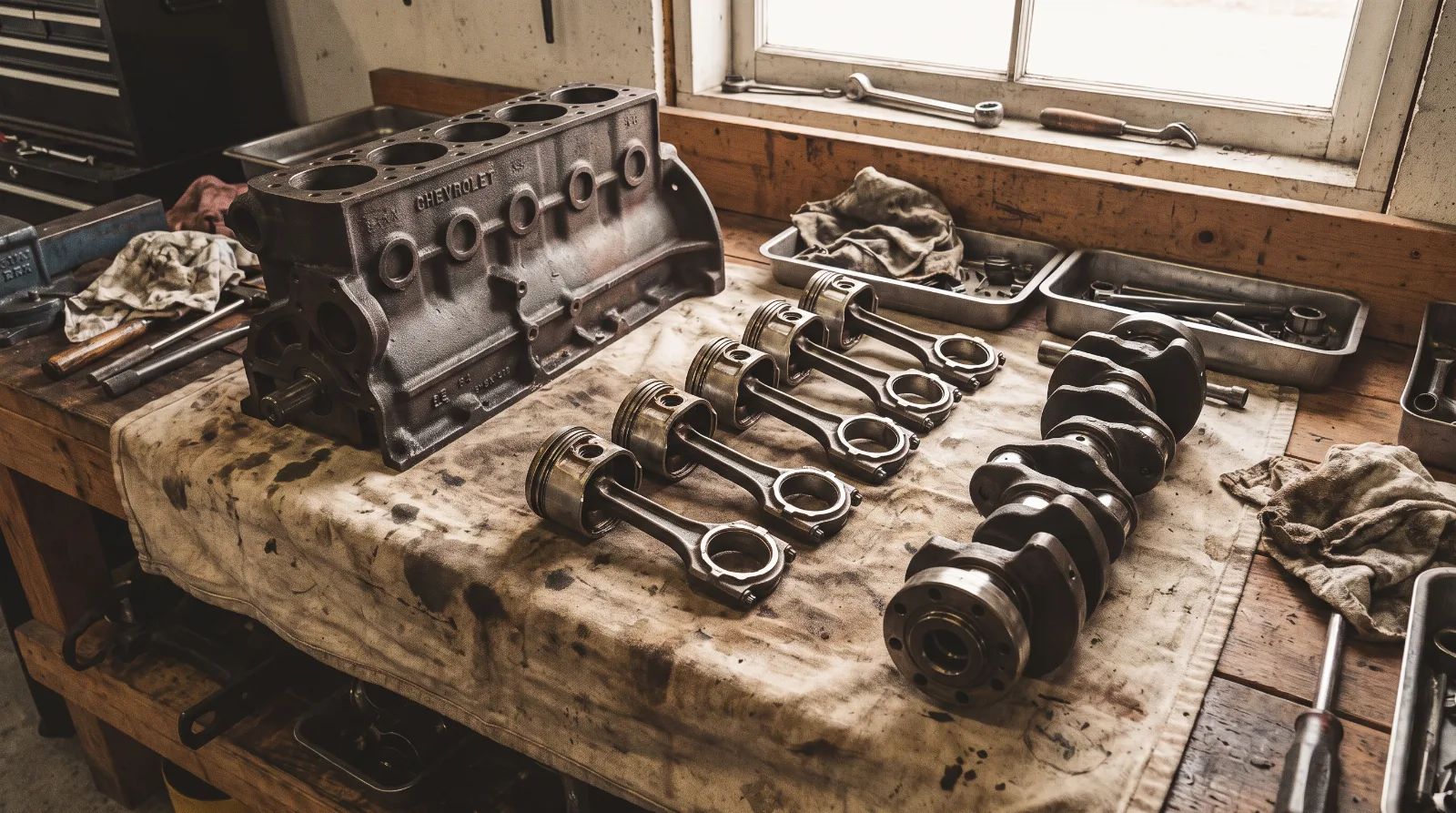
Rebuilding a Chevy 216
Rebuilding a 216 is not like rebuilding anything made after about 1955, and the difference is not the tools. It is that on most engines the botto...
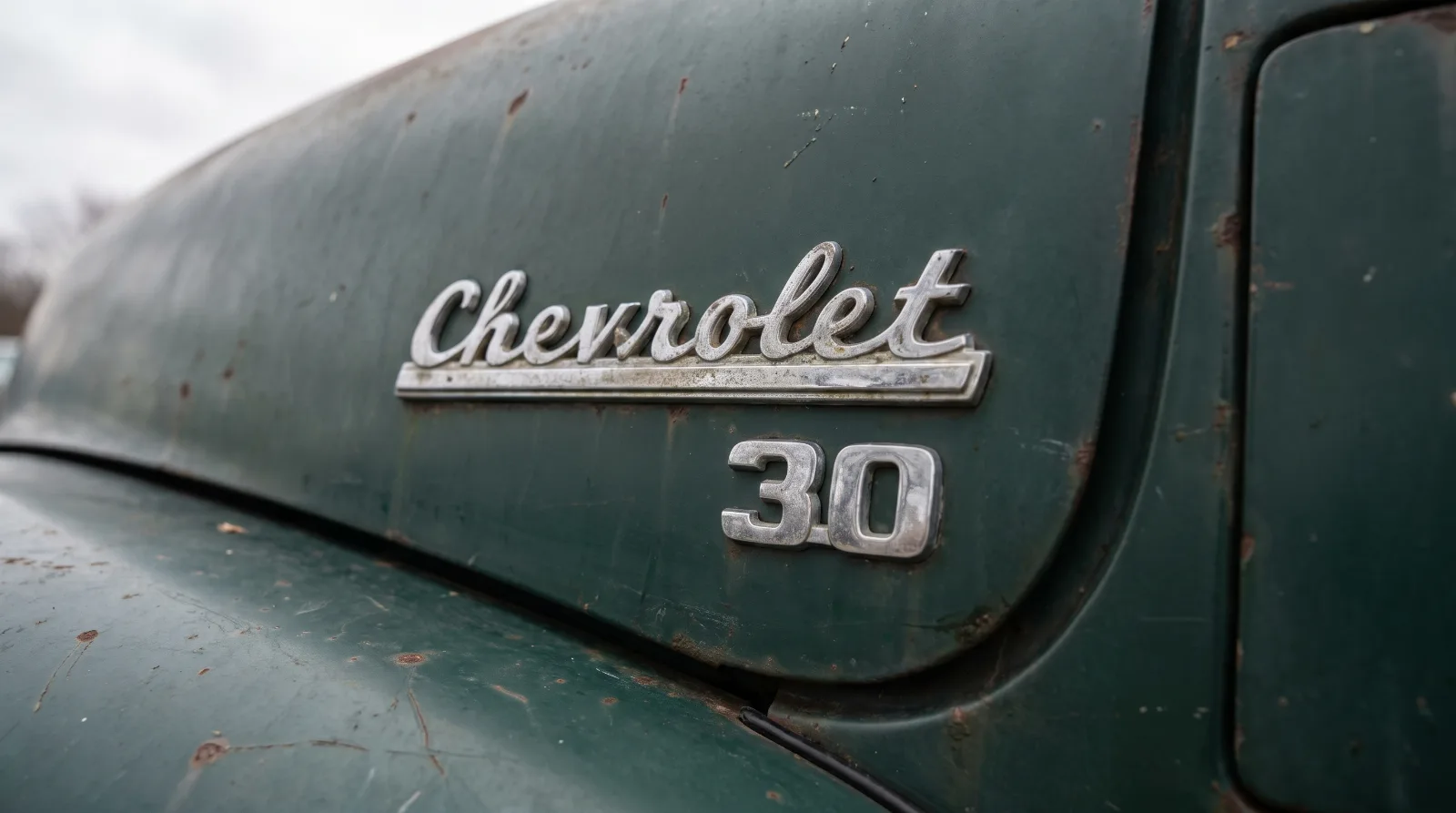
The 1951 Chevrolet Apache
There is no 1951 Chevrolet Apache. The Apache name belongs to the generation of Chevrolet trucks that came after the one built in 1951, and it do...
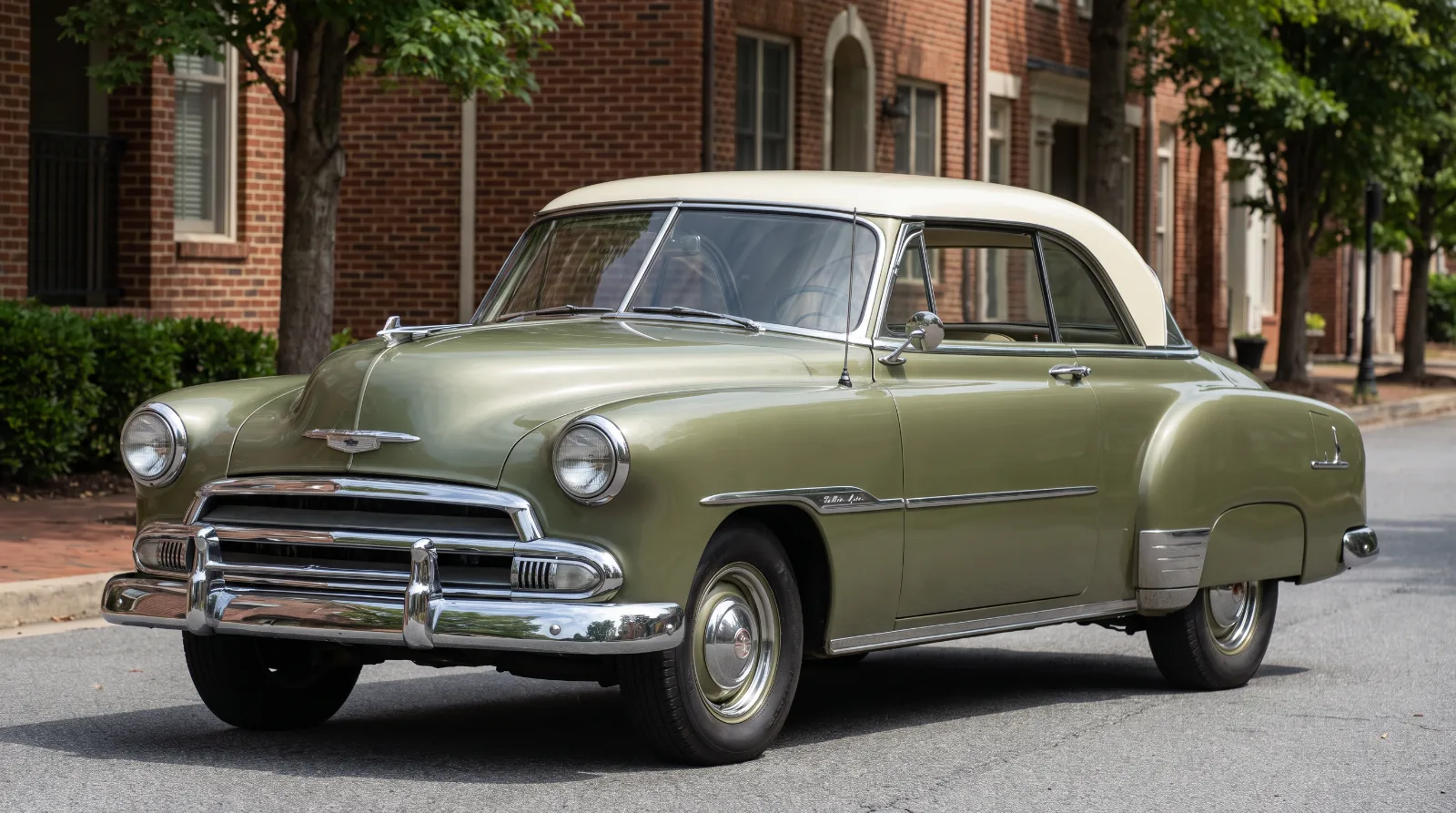
The 1951 Chevrolet Impala
There is no 1951 Chevrolet Impala. The name did not exist in 1951, the car did not exist in 1951, and nothing Chevrolet built that year was ever...