6 Volt Positive Ground
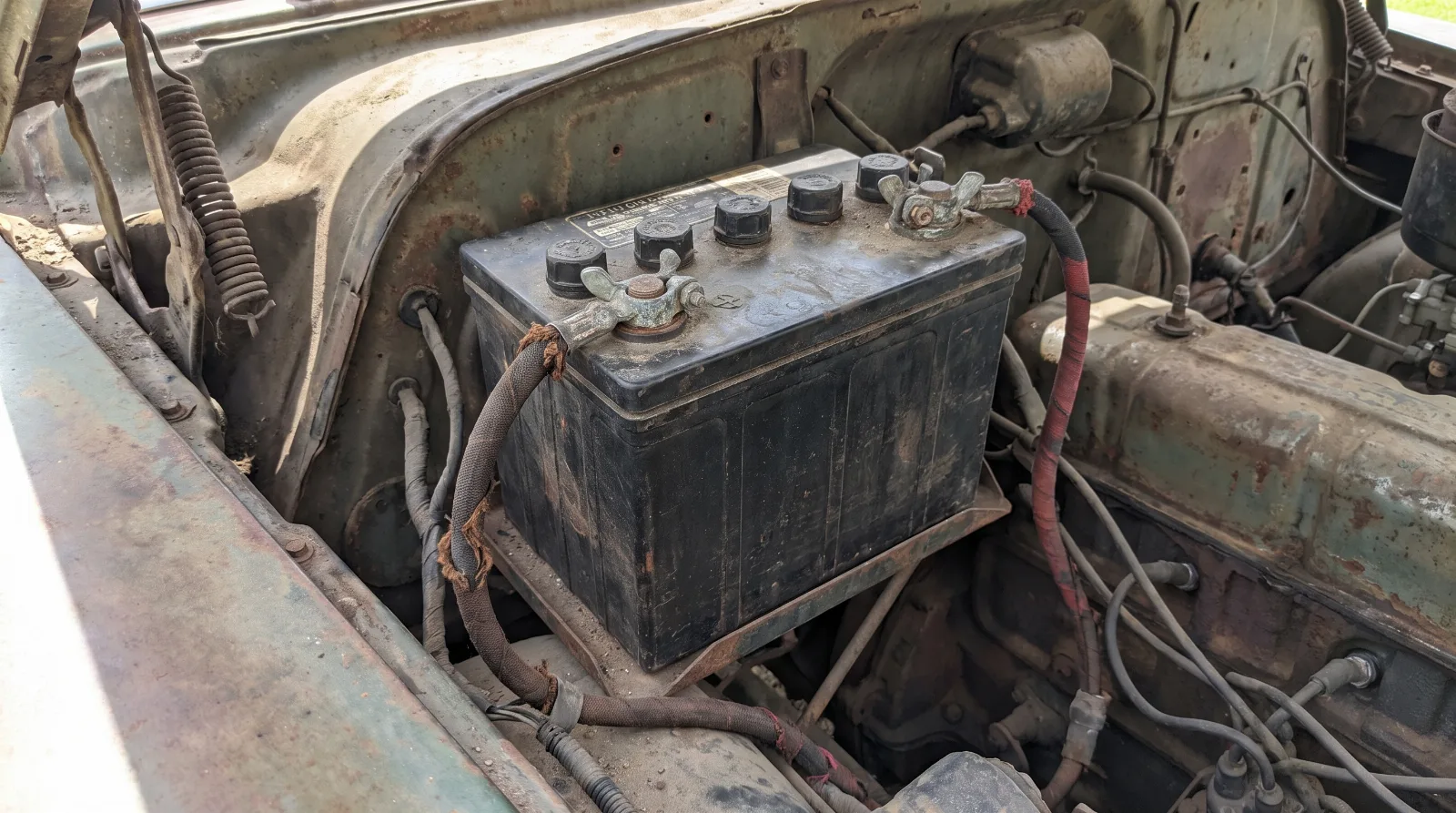
Search for anything to do with six volt electrics and almost every result says positive ground. Six volt positive ground alternator, six volt positive ground regulator, six volt positive ground coil. The whole aftermarket is set up around that phrase.
Your Chevrolet is not positive ground. It is six volt negative ground, and it always was. That mismatch between what the internet assumes and what General Motors actually built is the single most expensive misunderstanding in this corner of the hobby, and it is worth ten minutes of your time before you order anything.
Six volt does not mean positive ground
The two things get welded together in people's heads because most six volt vehicles were positive ground and most twelve volt vehicles are negative. As a rule of thumb it holds. As a fact about your car it does not.
Before the middle 1950s the choice was essentially arbitrary and manufacturers went their own ways. Ford preferred positive ground. General Motors used negative ground. Both worked, because electricity does not care which way round you call the terminals as long as everything in the car agrees.
| Maker | Polarity | Notes |
|---|---|---|
| General Motors, including Chevrolet | Negative ground | The exception people forget |
| Ford, Model A onward | Positive ground | Model T was negative. Ford went back to negative in 1956 |
| Chrysler | Positive ground | |
| British imports after 1945 | Positive ground | Many stayed that way into the 1960s. Jaguar switched in 1965 |
American cars gave up six volt around 1955, and the move to twelve volt came with a move to negative ground as the standard. So Chevrolet did not change polarity at all in that transition. It had been negative all along.
What actually cares about polarity
Less than you would think, and that is exactly why getting it wrong can go unnoticed for weeks.
Does not care. Light bulbs, headlamps and tail lamps. The starter. Relays. The heater blower. Original ignition points and condensers. All of these will work either way round, which is why a car wired backwards will start, run and drive while something else quietly suffers.
Cares a great deal. Anything with a diode in it, because a diode is a one-way valve. That means alternators, electronic ignition modules, modern radios, inverters, and anything you plug into a socket you have added. Connect an alternator backwards and it is destroyed instantly, with a large spark to mark the occasion.
Cares quietly. The ignition coil. Most points-type coils will run either way, but they perform better connected correctly, and a coil wired the wrong way round can lose a meaningful part of its output and give you a misfire at higher revolutions that you will chase for months. Do not simply swap the coil wires when you change anything else.
Reads backwards. The ammeter. Wire it the wrong way and the needle swings the wrong side of centre. Annoying, informative, and harmless.
"A Chevrolet wired positive ground will start, drive and light its lamps. It will do all of that while the coil works at part output and anything modern in the dash quietly dies. Nothing bangs. That is what makes it expensive."
— Earl Dawson
Buying parts without getting caught
The practical problem is that the market labels things for the majority. A part listed as six volt positive ground is not automatically wrong for you, because most of what is on that list does not care. But three categories do.
Check this first
- Anything with a diode. Alternators above all. A six volt positive ground alternator is the wrong part for a Chevrolet and it will not survive being told so.
- The coil. Buy the one for your polarity and connect it the right way round. It works either way and it does not work equally well either way.
- The radio. Polarity sensitive, and the one thing most likely to be quietly destroyed.
- Which way the battery cables actually are. On a Chevrolet the negative cable goes to the engine block or the chassis. If yours does not, somebody has changed it.
- Whether it has an alternator already. If it does, the car is negative ground whatever anybody says, because alternators nearly always are.
- The ammeter direction. A needle that reads discharge while the engine is charging is telling you the polarity story before you look at anything else.
Jump starting and charging
This is where positive ground cars catch people out, and it is worth knowing even though your Chevrolet is not one.
On a positive ground vehicle the cable from the positive battery post goes to the engine block or chassis. Working from an external supply, the positive lead goes to the ground and the negative to the battery or the starter lug. Everything is the mirror image of what your hands expect.
On your Chevrolet none of that applies. Negative to ground, positive to the starter, exactly as it would be on a modern car, only at half the voltage. That is one of the genuine conveniences of owning a General Motors product from this era, and hardly anybody realises they have it.
Where this fits
Everything on the car that runs on electricity assumes this decision. The circuits themselves, colour by colour, are in the factory circuits. What charges the battery and how it is regulated is in the generator and regulator. And if you have decided to leave the era behind entirely, the whole job is in converting to twelve volt.
Sources and notes
- Changing your electrical system from positive to negative ground, Fifth Avenue Internet Garage - polarity chosen arbitrarily before 1955 with Ford preferring positive ground and General Motors using negative ground, negative becoming standard as solid state accessories arrived, diodes as one-way valves, the list of what is and is not polarity sensitive, the warning not to reverse coil connections and the output loss that follows, and the ammeter simply reading backwards without damage.
- Positive ground cars, Restore An Old Car - Ford negative on the Model T then positive from the Model A and back to negative in 1956, all British vehicles imported after the war positive ground with many into the 1960s and Jaguar switching in 1965, 1955 as effectively the last use of six volt electrics in American cars, the radio and ammeter affected by polarity while bulbs, starters, relays and blower motors are not, and the reversed jump starting procedure.
- Working with a positive ground, Auto Restorer - an alternator meaning the system is negative ground, an alternator connected backwards being ruined instantly with a large spark, generator systems showing no immediate symptom while the charging system fails, permanent magnet motors running backwards, and points coils working either way but performing better wired correctly.
- Chevrolet Deluxe, Wikipedia - the 1949 to 1952 Chevrolet range these electrics belong to.
- Comprehensive history of the 1947-1955 first series Advance Design, DevesTechNet - the six volt system carried by the 1951 Chevrolet light trucks alongside the cars.
- 1947-1959 Chevy truck model years identification guide, Classic Industries - the 1955 first series as the final Chevrolet series with a six volt system.
More from the garage
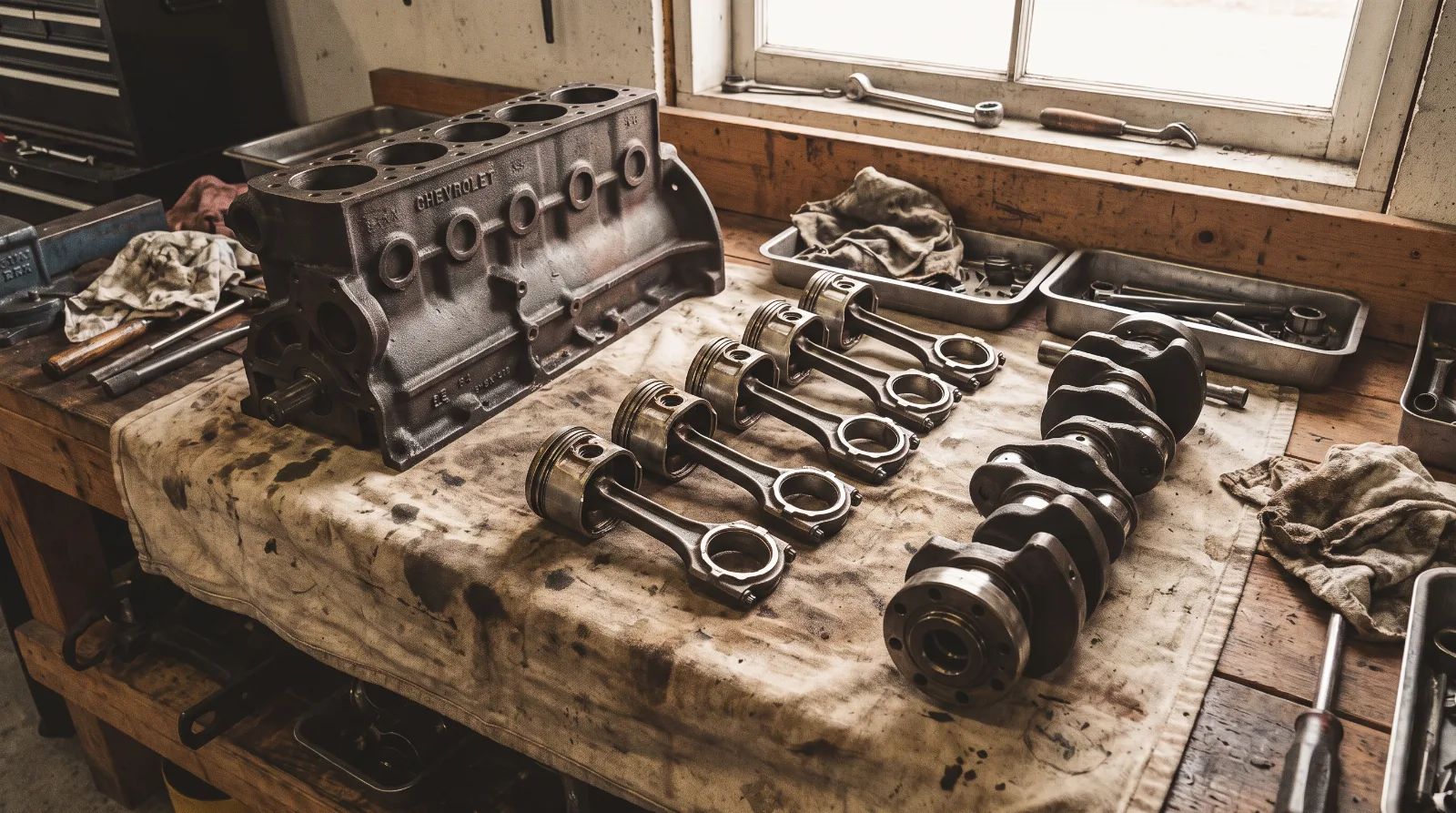
Rebuilding a Chevy 216
Rebuilding a 216 is not like rebuilding anything made after about 1955, and the difference is not the tools. It is that on most engines the botto...
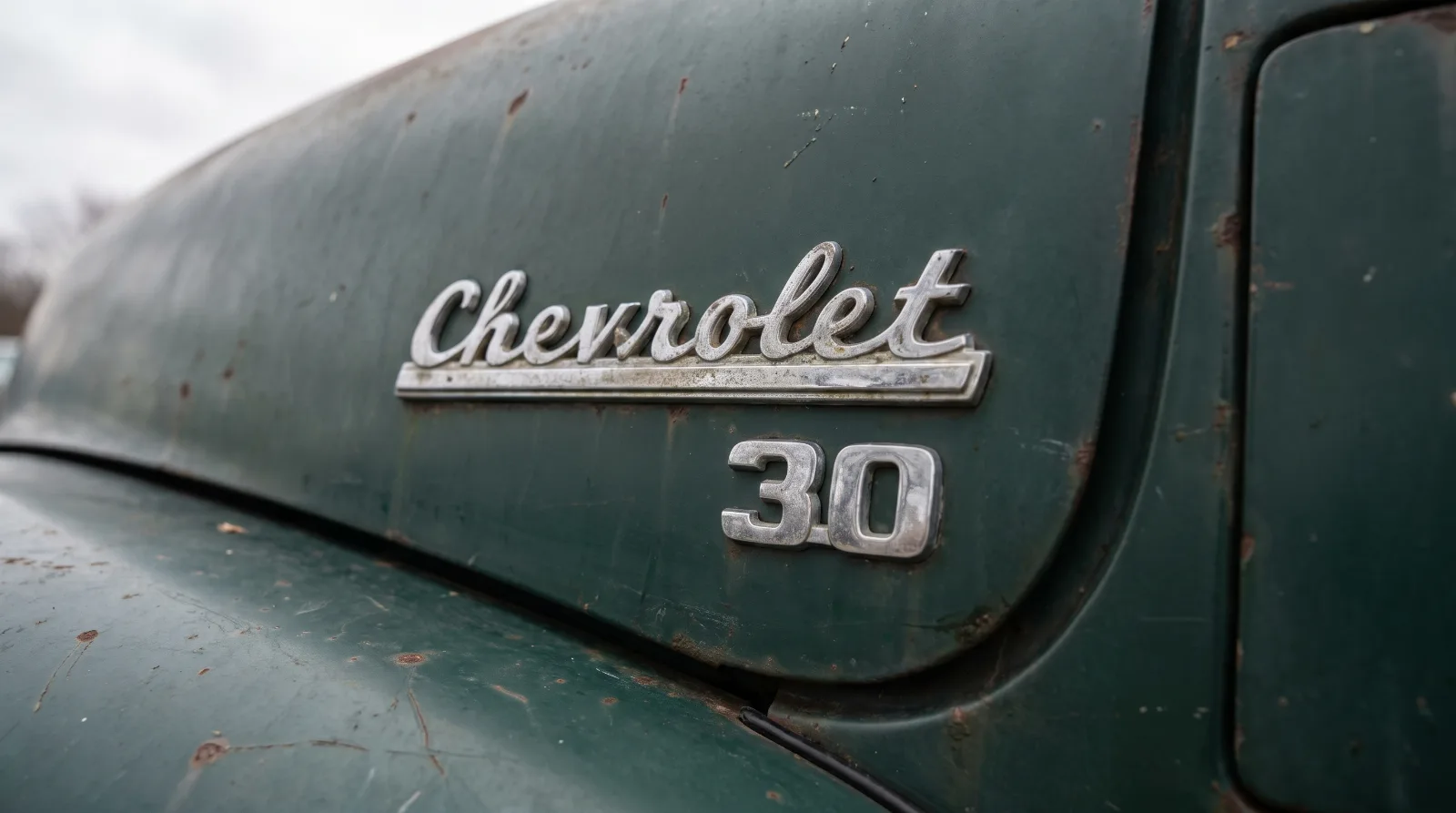
The 1951 Chevrolet Apache
There is no 1951 Chevrolet Apache. The Apache name belongs to the generation of Chevrolet trucks that came after the one built in 1951, and it do...
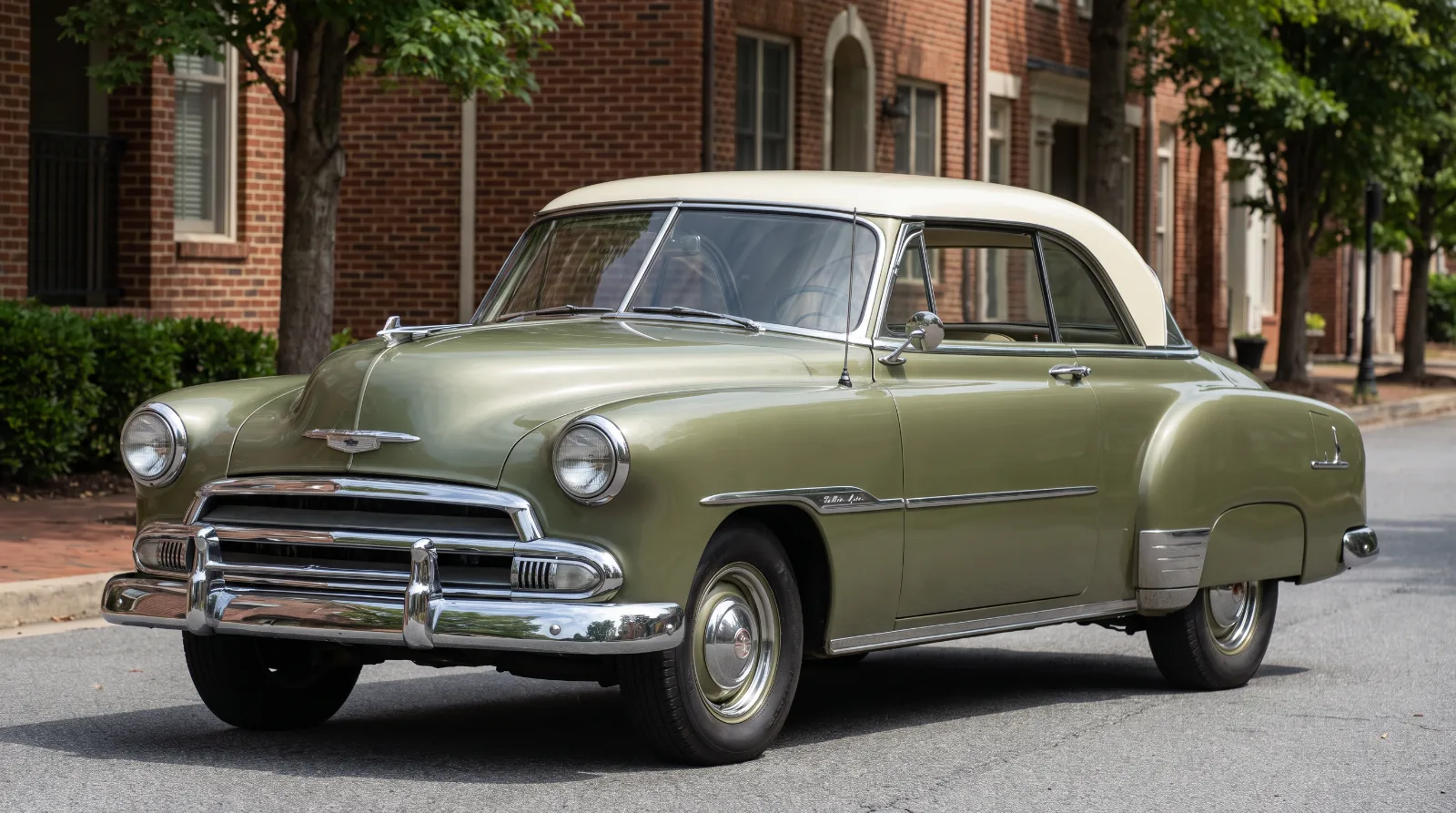
The 1951 Chevrolet Impala
There is no 1951 Chevrolet Impala. The name did not exist in 1951, the car did not exist in 1951, and nothing Chevrolet built that year was ever...