The 1951 Chevrolet Cowl Tag
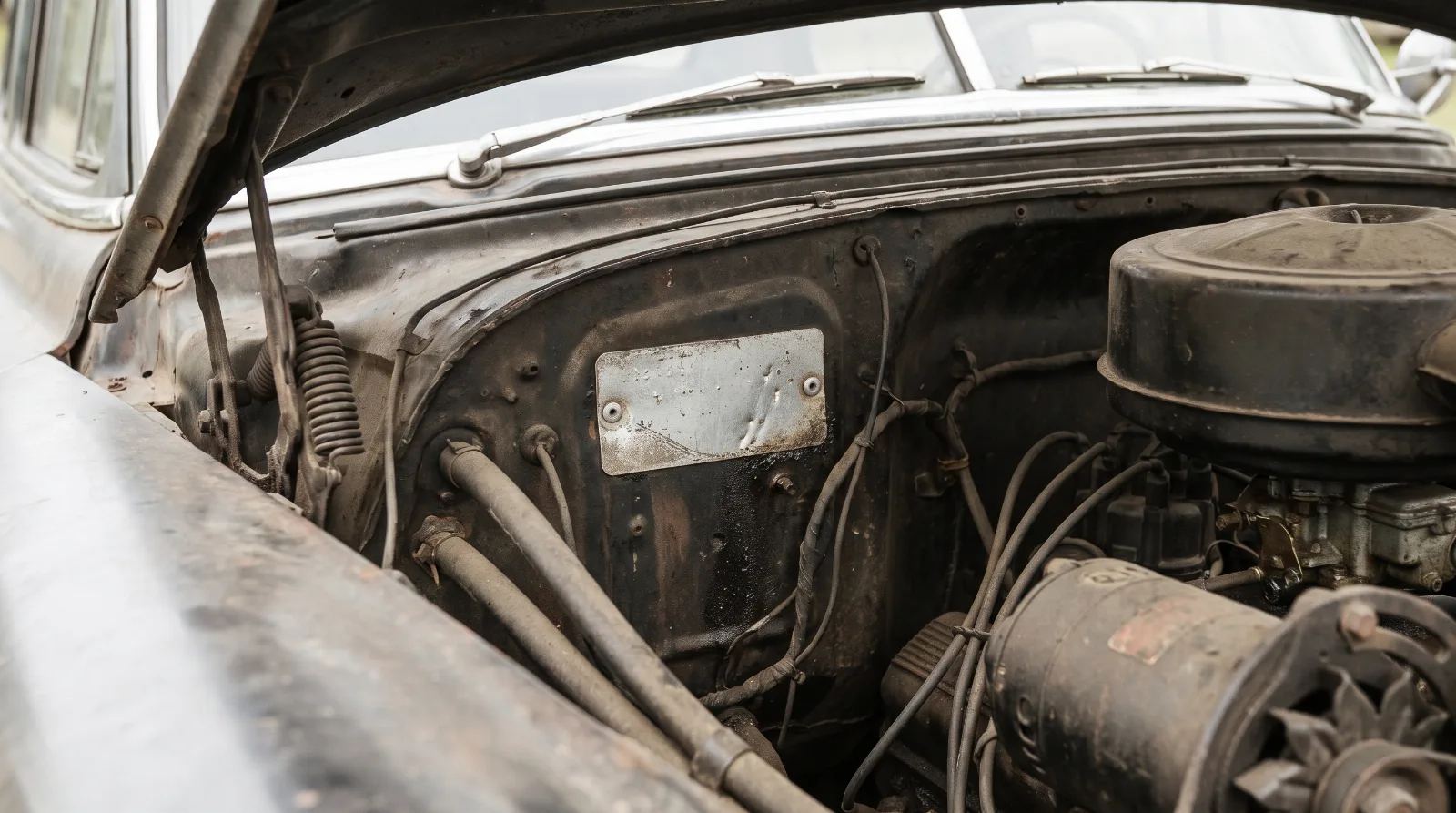
Open the bonnet of a 1951 Chevrolet and there is a small metal plate on the cowl, riveted to the firewall. That is Fisher Body's plate, and for anybody putting a car back to the way it left the factory it is the single most useful object on the vehicle. It is the only place the original paint colour and the original interior trim are written down.
It is also the plate that gets confused with the serial number plate most often, and the two are not the same thing at all. Different company, different location, different information, different purpose.
What the plate is, and why it exists
Chevrolet Motor Division built the car. Fisher Body built the body and shipped it to be assembled into one. Fisher kept their own record of how each body was made, stamped onto a plate fixed to that body, so that a dealer years later could order the right parts and settle a warranty claim without guessing.
That purpose explains everything about what is and is not on it. Fisher recorded the things Fisher decided: the style of body, its place in Fisher's own production sequence, the trim that went inside it, the paint that went on it. Fisher did not record the engine, because at the point the plate was stamped the engine had not been anywhere near the car.
The plate goes by several names. Cowl tag, trim tag, body plate, Fisher plate. They all mean the same piece of metal.
| Field | What it means |
|---|---|
| Style | Series and body style, as a Fisher style number |
| Body | Fisher's own sequence number for that body |
| Trim | Interior material and colour code |
| Paint | Exterior colour code |
| Not recorded | Engine, transmission, axle, options fitted later |
Reading the style number
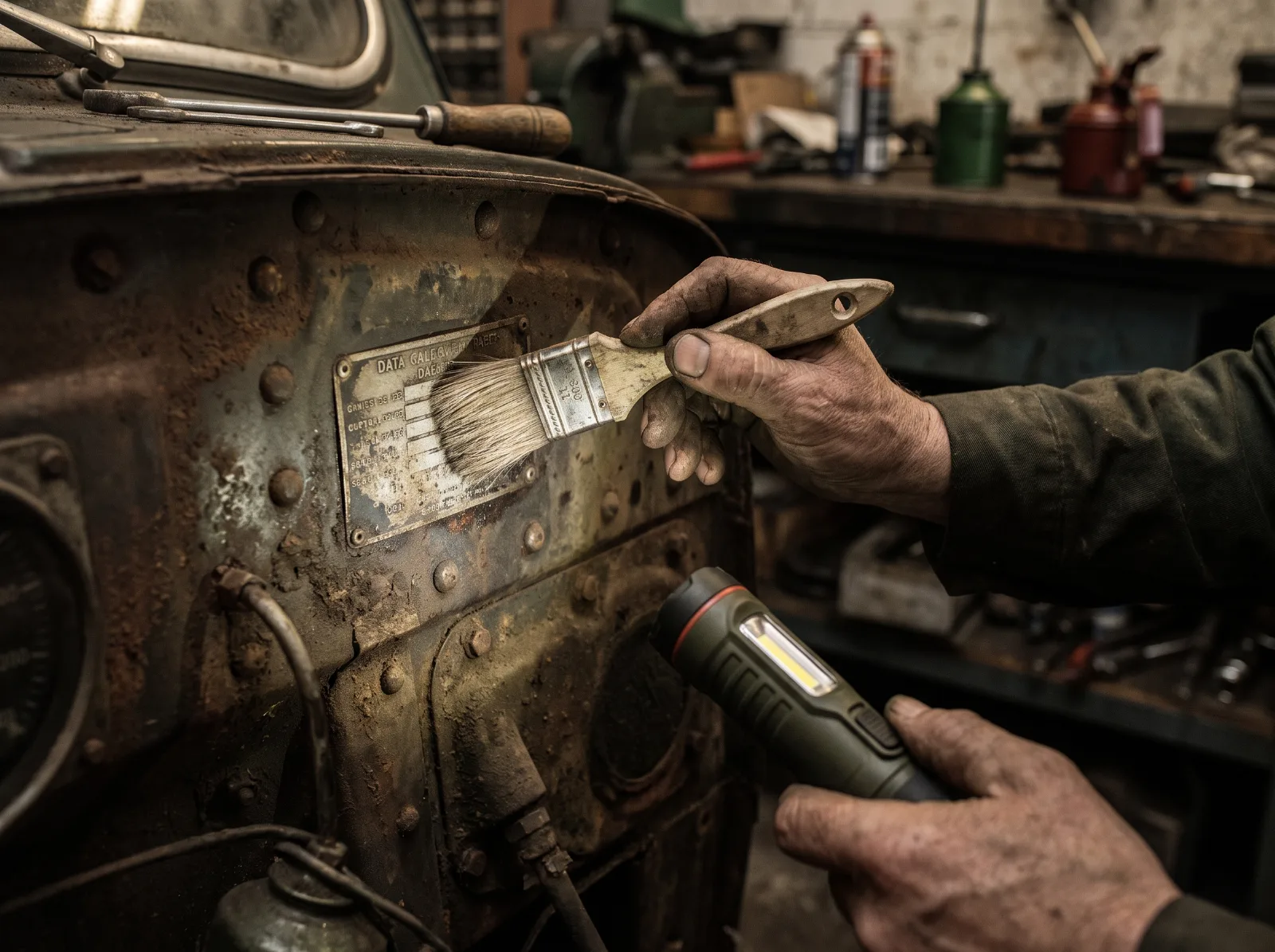
The style number is the field that does most of the work, because it names both the series and the body shape in one figure. The first two digits carry the series and the rest identify the body.
The De Luxe cars are the 2100 series, so a De Luxe style number starts with 21. A two door sedan reads 2102, a four door sedan 2103, and the convertible coupe 2134. The Special cars are the 1500 series, so their numbers start with 15, and a six passenger Styleline Special coupe reads 1524.
Once you have that pattern, the plate tells you in four digits what the car was when it was built. That is the check that catches the most common misrepresentation on these cars, which is not a forged plate but a De Luxe badge and De Luxe trim bolted onto a body that left Fisher as a Special.
"Nobody lies about the cowl tag because almost nobody reads it. They put the right badges on, the right hubcaps, and they never think about the four digits under the bonnet that say what the shell actually is."
— Earl Dawson
Trim, paint, and the reason restorers care
If you are restoring the car rather than buying it, the trim and paint fields are why you came. There is no other record anywhere of what colour the car was and what was on the seats. Not in the serial number, not on the frame, not in the handbook. If the cowl tag is gone or unreadable, the original specification of that individual car is gone with it, and you are working from what survives inside the doors and under the carpet.
That has a practical consequence which is easy to state and easy to ignore: do not clean the plate aggressively, ever. A wire wheel takes a shallow stamping off a thin aluminium plate in about two seconds. Warm water, a soft brush, and a torch held at a low angle so the stamping throws a shadow. Photograph it before you touch it and photograph it again afterwards.
The other thing worth saying is that a repaint does not change the tag, and that is exactly the point. A car that has been red since 1968 still has its original colour code stamped under the bonnet, and finding out what the car actually was is often the moment an owner decides what the restoration is going to be.
Check this first
- The cowl, under the bonnet, on the firewall. Look before assuming it has gone, because paint hides them completely.
- The style number against what the car is being sold as. This is the field that settles De Luxe against Special.
- Whether the body number is being quoted as a serial number. It is not one, and the confusion is very common.
- The paint code against the colour on the car. A difference is history, not fraud, but you want to know.
- The trim code before you order upholstery. This is the only surviving record of what was in it.
- The rivets. An original plate has original fasteners, and anything else earns a longer look.
Where this fits
The cowl tag is one of three sources of identity on the car and the others are set out in the 1951 Chevrolet identification. The plate on the door pillar, and how its plant, year and series codes break down, is in the serial numbers. The check you can make from across a car park is in the hood emblem. What the paint codes correspond to is in the 1951 body colours, what the trim codes were describing is in the interiors, and the two series the style numbers point at are the De Luxe Styleline and the Special series.
Sources and notes
- Fisher Body number plates, preface, Chevellestuff - the plate as a permanent record of how each body was manufactured, kept for later dealer servicing and warranty claims, the names cowl tag and trim tag, the several categories of information Fisher recorded, and the fact that it covers the body only because engine decisions came later in final assembly.
- Fisher body tags and serial number plates, Vintage Chevrolet Club forum - the Fisher body tag used only on Fisher bodies and attached to the firewall under the bonnet, held separate from the car's own serial number plate.
- 1946 to 1950 US and Canadian car and truck model codes, Greg Wapling - the Fisher body model number tables pairing style numbers with body styles and series, including 2102 for the De Luxe two door sedan, 2103 for the De Luxe four door and 1524 for the Styleline Special six passenger coupe.
- 1951 Chevrolet Styleline De Luxe Series 2100 JK, Classic Car Database - model number 2134 identified as the convertible coupe within the 2100 De Luxe series, with Fisher named as the body maker.
- Chevrolet model identification 1946-1954, The Old Car Manual Project - the separate serial number plate on the door pillar and the K and J series letters, which is what the style number has to agree with.
- 1951 Chevrolet car parts, The Filling Station - the 1951 body styles catalogued across the Special and De Luxe trim levels that a style number has to resolve to, and the trim and emblem parts a restorer orders from those codes.
More from the garage
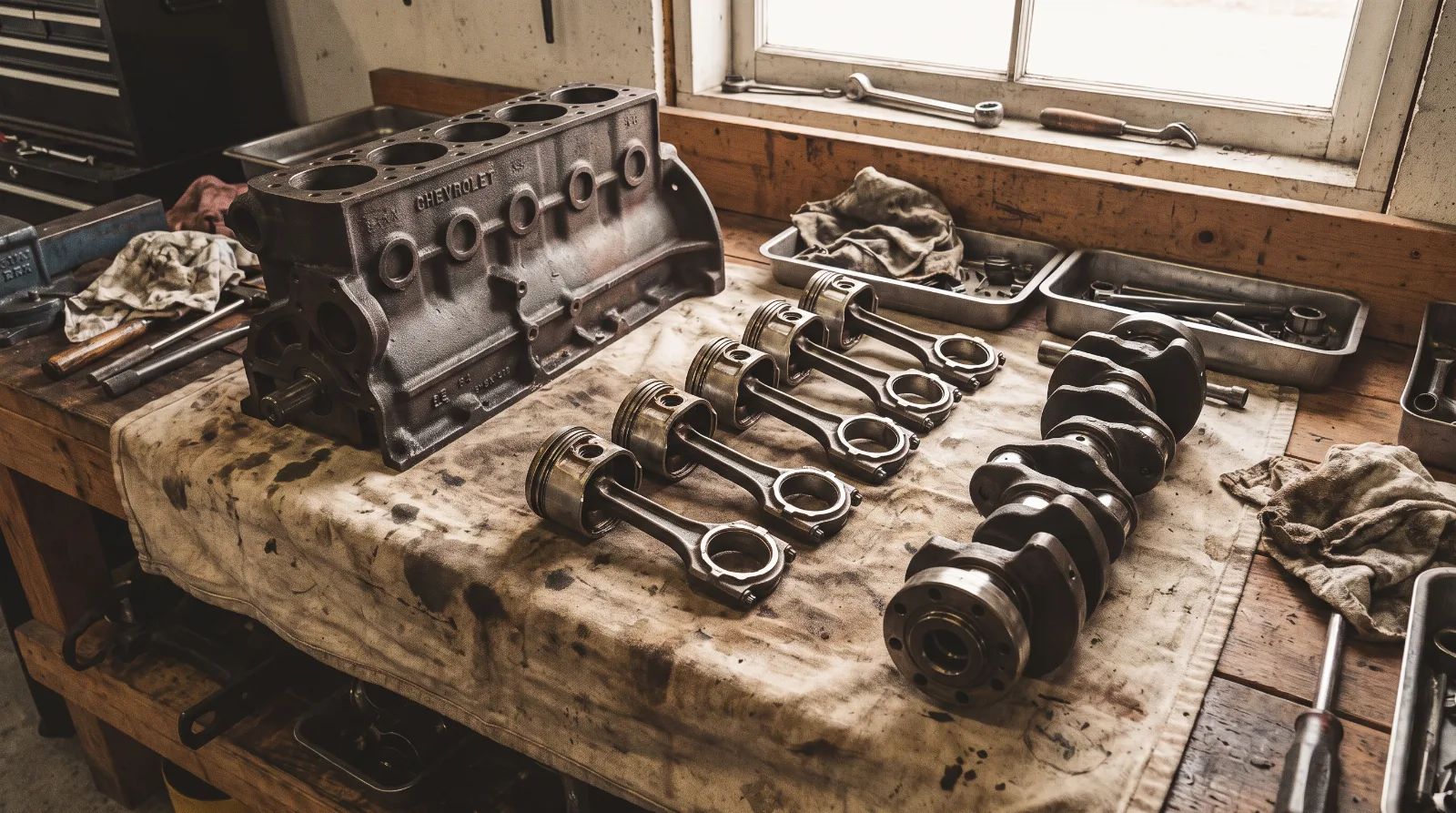
Rebuilding a Chevy 216
Rebuilding a 216 is not like rebuilding anything made after about 1955, and the difference is not the tools. It is that on most engines the botto...

The 1951 Chevrolet Apache
There is no 1951 Chevrolet Apache. The Apache name belongs to the generation of Chevrolet trucks that came after the one built in 1951, and it do...
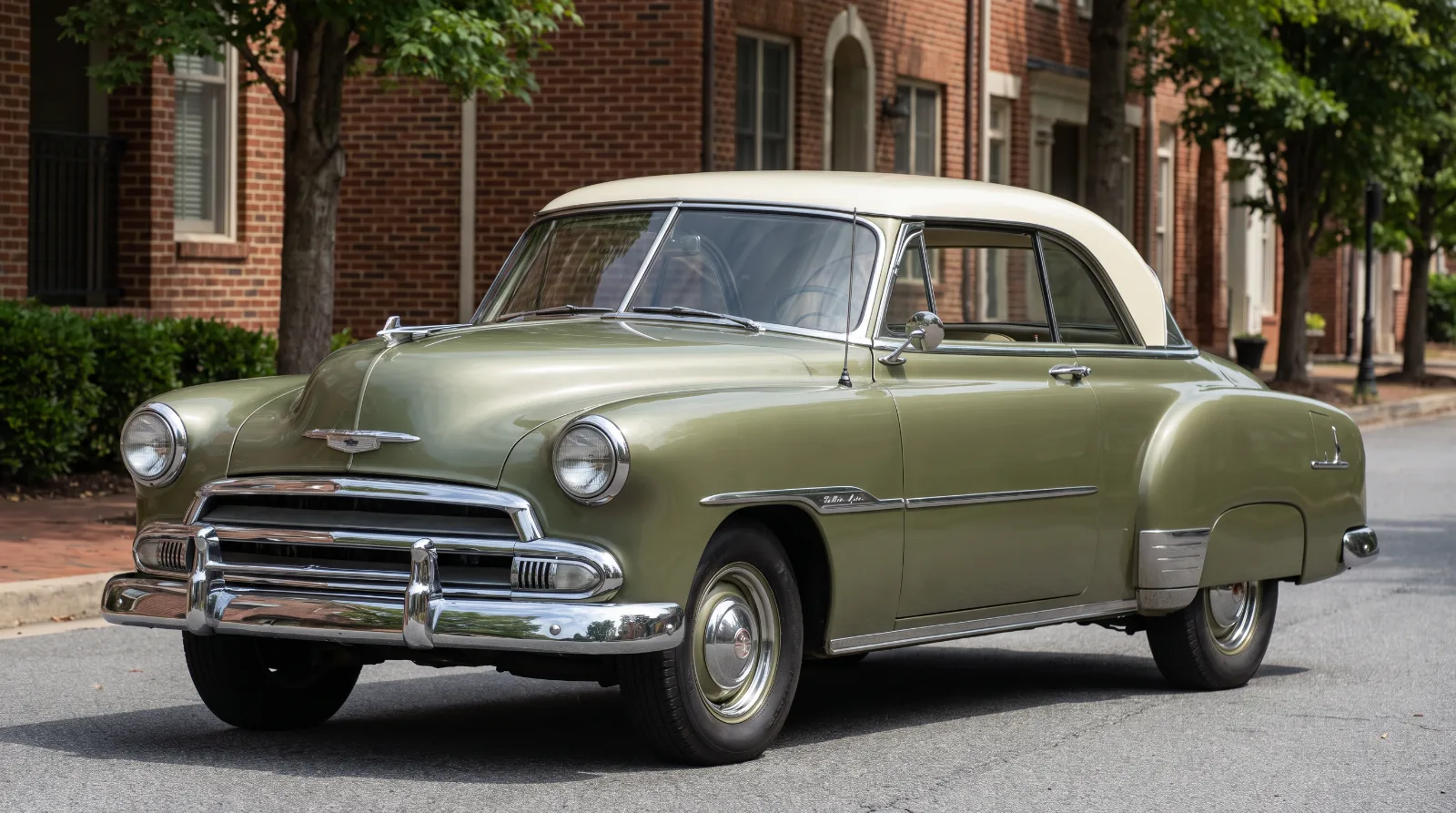
The 1951 Chevrolet Impala
There is no 1951 Chevrolet Impala. The name did not exist in 1951, the car did not exist in 1951, and nothing Chevrolet built that year was ever...