The 1951 Chevrolet Lowrider
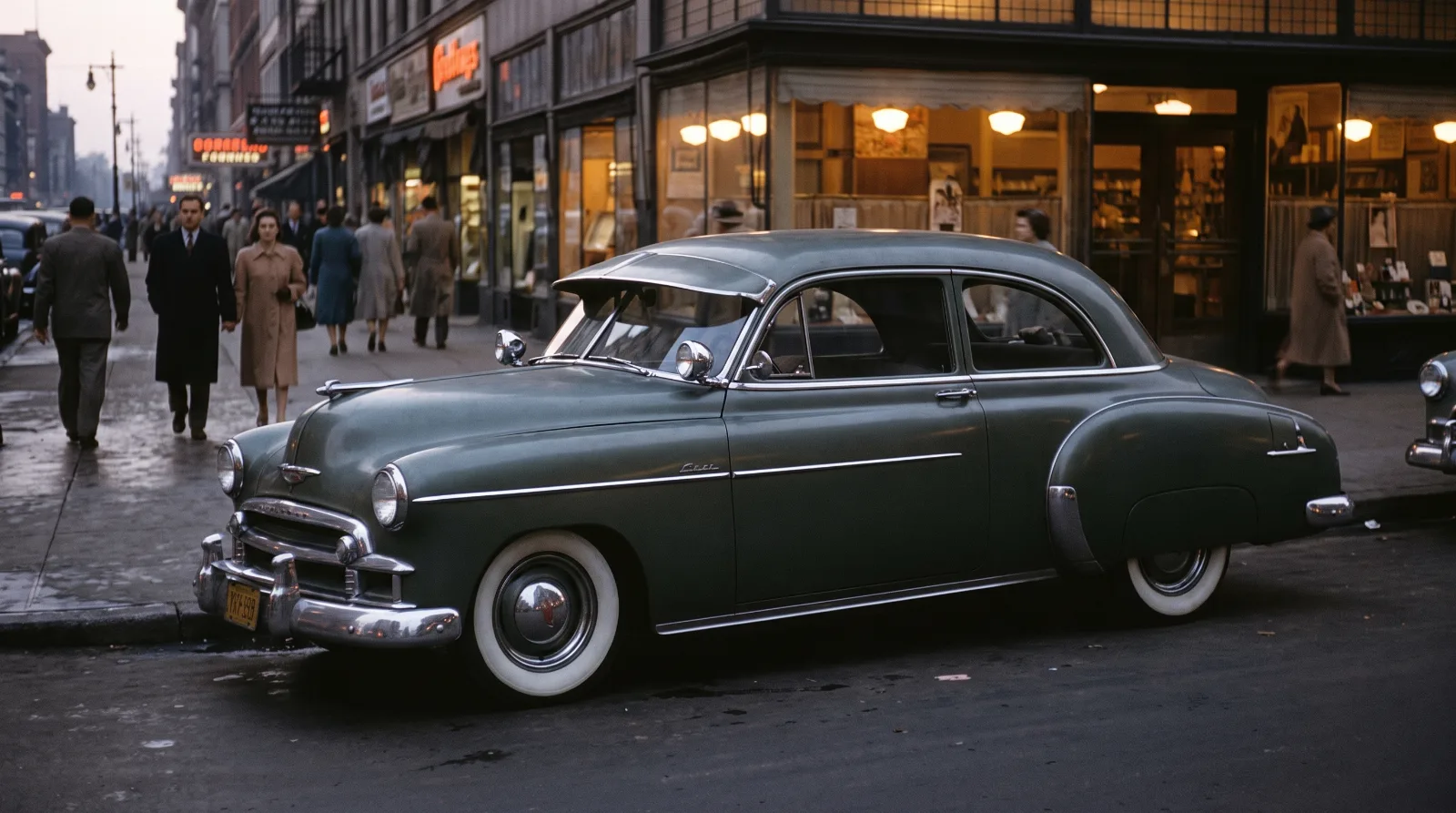
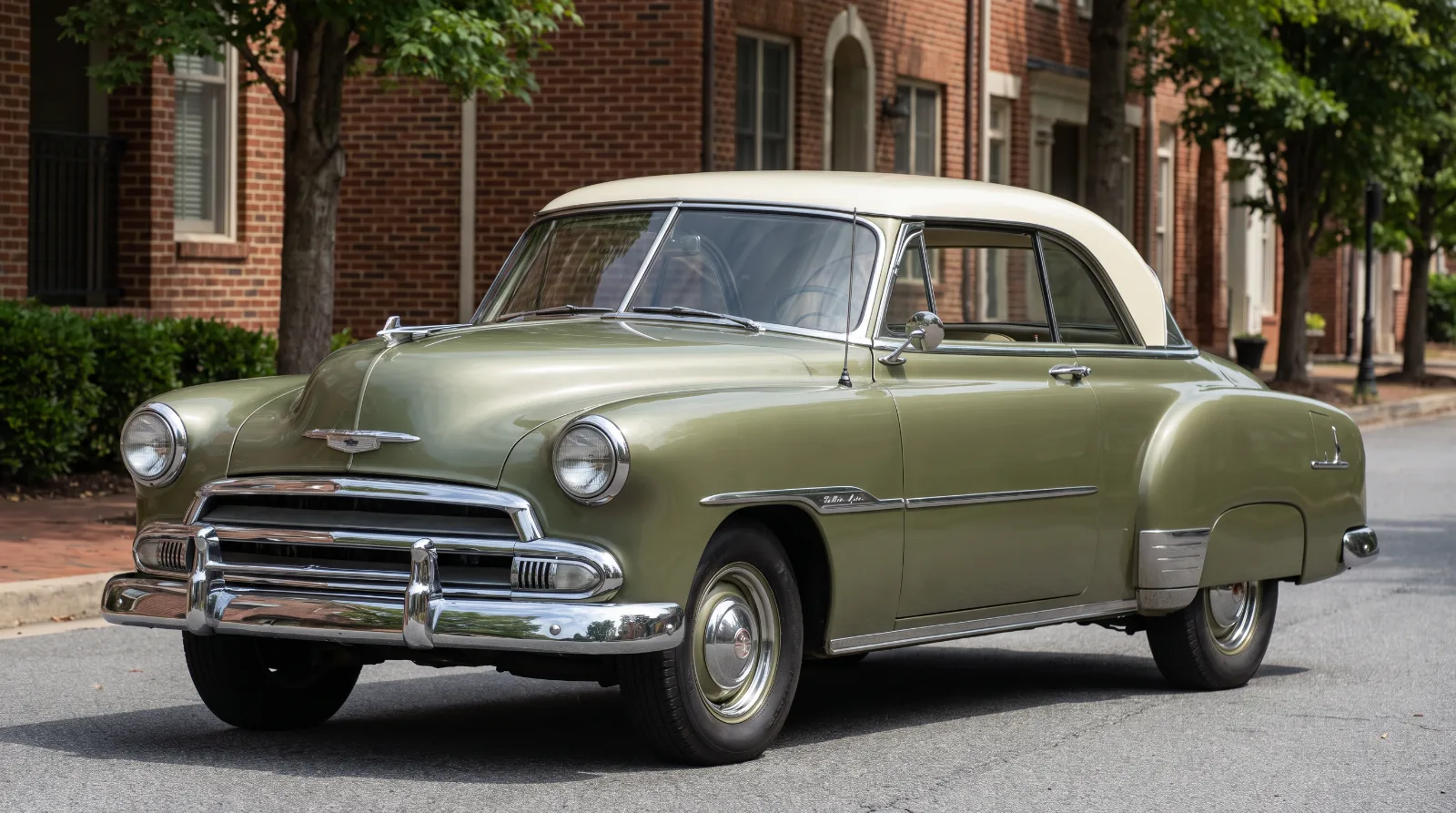
A 1951 Chevrolet is a bomb. Not an insult and not slang for something broken: in lowriding, a bomb is one of the rounded American production cars of roughly 1930 to 1955, and the Chevrolets of the late forties and early fifties are the heart of the category.
They have been lowered since they were nearly new, and understanding why means going back further than most people expect.
Where it starts
Lowriding begins in the mid to late 1940s among Mexican American youth in Southern California, though Tijuana, Texas and New Mexico all have their claims. It grows through the prosperity of the 1950s, and from the beginning it is defined against something: while hot rodders were going fast, lowriders went low and slow, bajito y suavecito, and the choice was deliberate.
The cars used were what was available and affordable, which meant production sedans from the 1930s through the early 1950s. Those are the bombs, and a 1951 Chevrolet sits squarely in the middle of the range.
The early engineering was crude and inventive in equal measure. Lowering blocks at the back, coils cut or shortened at the front, spindles cut down, frames Z'd to drop the body over the axle. And when none of that was enough, bricks, sandbags or sacks of cement in the boot, which worked exactly as well as it sounds.
| Period | Method |
|---|---|
| Mid 1940s onward | Cut coils, lowering blocks, cut spindles, Z'd frames |
| Same period | Weight in the boot: bricks, sand, cement |
| 1958 | California Vehicle Code section 24008 bans parts below rim height |
| 1959 | Hydraulic pumps and valves, ride height on a switch |
Why the 1951 works
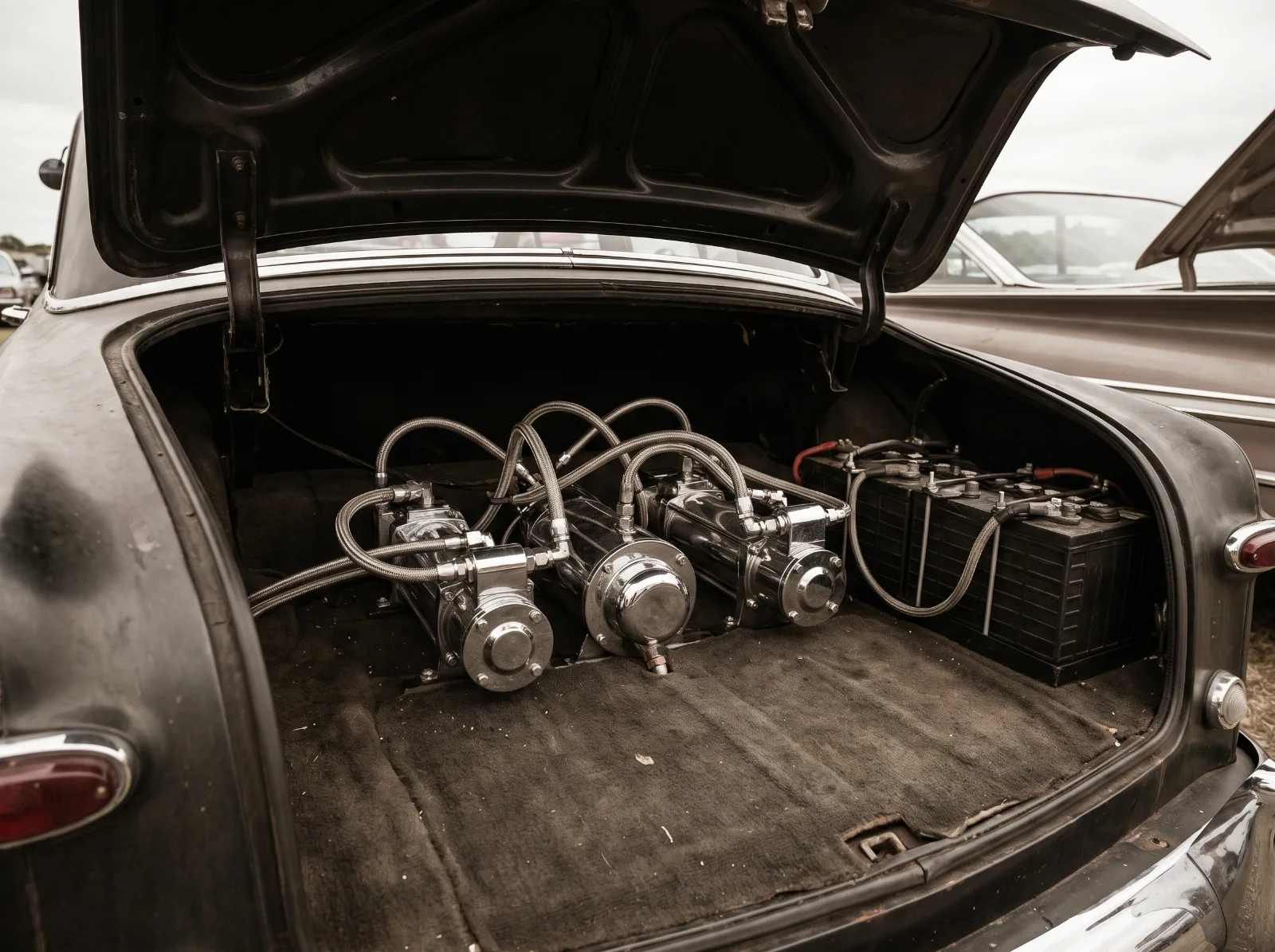
The shape does most of the work. These cars are rounded, heavy looking and low waisted, with a lot of body below the glass line, and dropping them exaggerates all of it. There is also a great deal of chrome to play with, and a bomb tradition that leans on accessories, sun visors, spot lamps, skirts and wide whitewalls rather than on modern parts.
The other reason is that a 1951 Chevrolet is a body on frame car with a separate chassis, coil springs at the front and leaf springs at the back, which is an easier starting point for suspension work than anything unitised. Everything the tradition wants to do to it is done to the frame and the springs rather than to the shell.
And there is continuity. This is a culture that has passed techniques down through families and clubs for eighty years, so the knowledge about lowering a bomb specifically, rather than a 1964 Impala, is still in the room.
"Somebody always tells me these cars were ruined by the lowriders. They were not. Half the bombs still on the road are only still on the road because somebody's family kept them going since 1958."
— Earl Dawson
Building one, and the mechanical truth
Lowering a car changes everything else about it, and on a 1951 Chevrolet three things need thinking about before the stance does.
Brakes. Four eleven inch drums on a single hydraulic circuit, with no assistance and manual adjusters. That was adequate for a standard car and it does not get better when the car is lower, heavier and being driven in traffic. A dual reservoir master cylinder is the cheapest thing you can do for it.
Geometry. Cutting coils and dropping spindles moves the front end geometry away from where it was designed to be, and worn king pins and tired bushings in a lowered car produce handling that people wrongly blame on the ride height. Do the front end properly first, then lower it.
The frame. Z'ing a frame or notching it for clearance is structural work on a seventy five year old chassis. It is done all the time and it is done well all the time, and it is not something to have done cheaply.
Beyond that, the decisions are cultural rather than technical. A bomb built in the traditional way keeps its six cylinder engine, its accessories and its period chrome, and that is a different car from one with a modern drivetrain underneath. Both are built. Only one of them is a bomb in the way the term is normally used.
Check this first
- What has already been done to the frame. Z'd, notched, boxed or welded, and it decides what you can do next.
- The brakes, before the stance. Everything you are about to do makes stopping harder.
- King pins and control arm bushings. A lowered car with a worn front end handles badly for reasons that are not the ride height.
- Whether the springs were cut or replaced. Cut coils are common and they are not reversible.
- The state of the original trim. Bomb accessories are the expensive half and reproductions vary.
- What you want the car to be. Traditional bomb or modern build, and the answer decides the drivetrain.
Where this fits
Lowriding is one of four things people did to these cars and the others are mapped in the 1951 Chevrolet custom. The fastback that the tradition favours above all is in the Fleetline lowrider and the shape itself is in the sloping roof. The suspension you would be altering is in the 1951 suspension, the brakes that need attention first are in the brakes, and the chassis it all bolts to is in the chassis. The standard car is in the car all of this sits under.
Sources and notes
- Lowrider, Wikipedia - lowriding beginning in the mid to late 1940s and growing through the 1950s, the low and slow ethos set against hot rod culture, production cars of the 1930s through early 1950s known as bombs, the lowering blocks, cut down spindles, shortened coils and Z'd frames, the 1958 California Vehicle Code section 24008 banning any part below rim height, and the hydraulic pumps and valves that answered it in 1959.
- A brief history of lowriders, CarParts - the Southern California origin with competing claims from Tijuana, Texas and New Mexico, the post war emergence among young Chicanos, bajito y suavecito, the bricks and bags of sand or cement used to weigh the back down, and the aircraft hydraulics fitted in 1959 to comply with the new law.
- 1949-1952 Chevrolet Styleline and Fleetline, specs and history, Motogallery - these cars becoming a staple of the custom and lowrider scenes, lowered over wide whitewalls with skirts, spot lamps and deep lacquer.
- 1951 Chevrolet Styleline De Luxe Series 2100 JK, Classic Car Database - the separate chassis with independent coil spring front suspension and semi-elliptic leaf springs at the rear, eleven inch drums all round and worm and roller steering, which is what any lowering work has to deal with.
- Front suspension springs, Chevs of the 40s - the two front coil spring applications for these cars, which is what a cut or replaced spring is being measured against.
- 1951 Chevrolet De Luxe Series, conceptcarz - the scale of 1951 production that made these cars cheap and available to the people who first lowered them.
More from the garage
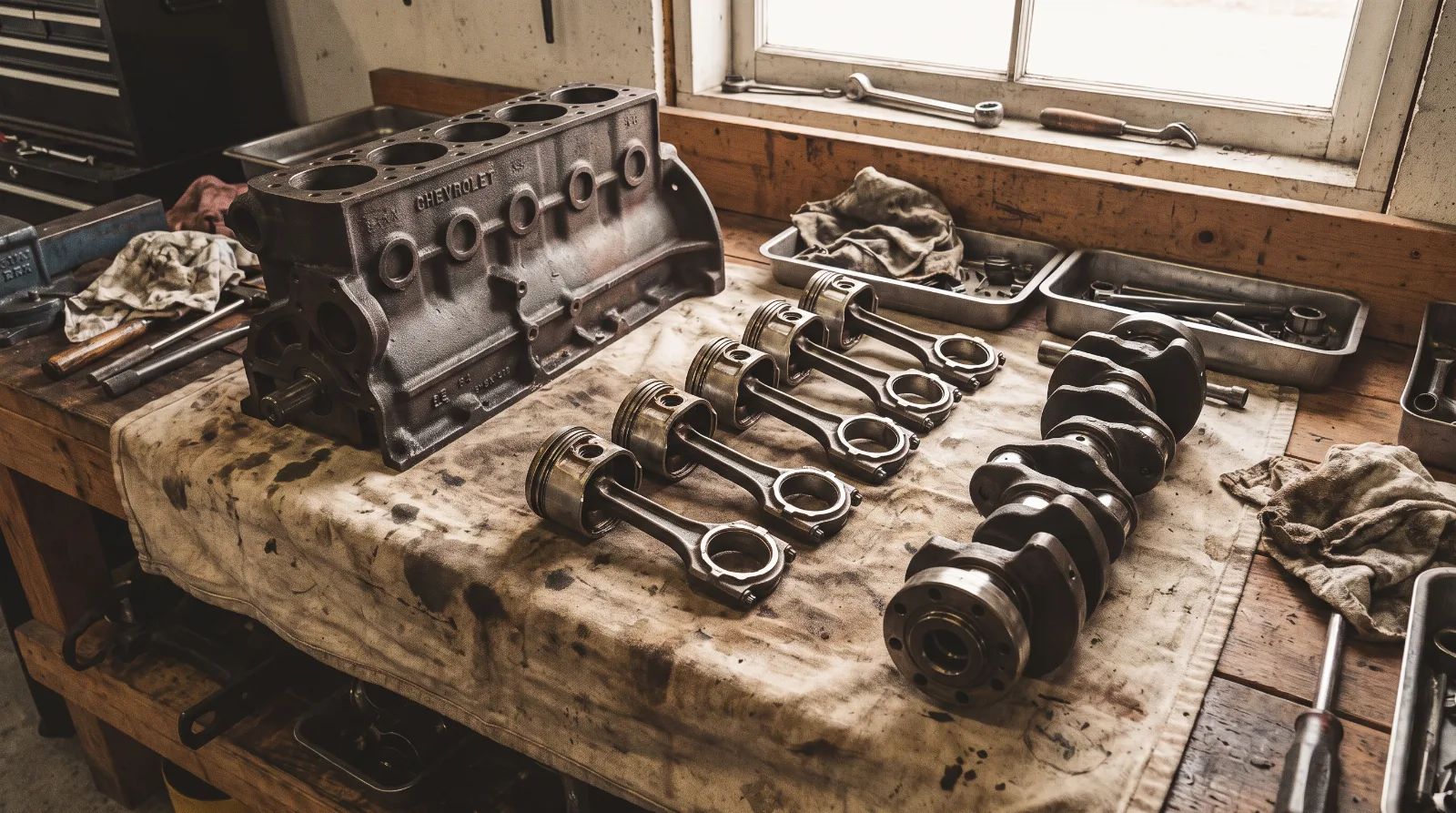
Rebuilding a Chevy 216
Rebuilding a 216 is not like rebuilding anything made after about 1955, and the difference is not the tools. It is that on most engines the botto...
The 1951 Chevrolet Apache
There is no 1951 Chevrolet Apache. The Apache name belongs to the generation of Chevrolet trucks that came after the one built in 1951, and it do...
The 1951 Chevrolet Impala
There is no 1951 Chevrolet Impala. The name did not exist in 1951, the car did not exist in 1951, and nothing Chevrolet built that year was ever...