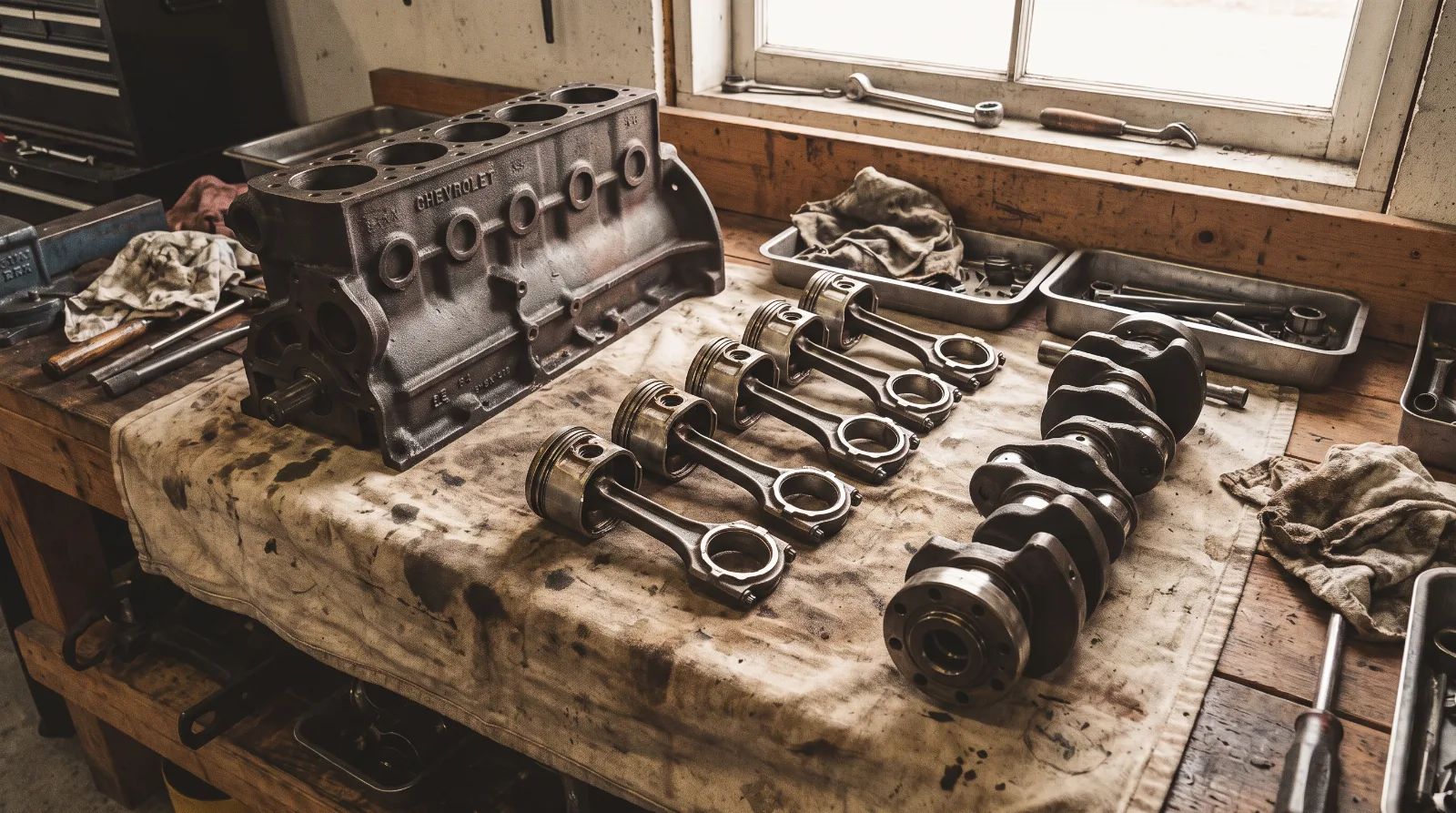
Rebuilding a Chevy 216
Rebuilding a 216 is not like rebuilding anything made after about 1955, and the difference is not the tools. It is that on most engines the botto...
Earl grew up when a 1951 Chevrolet was simply the family car, and he has been putting them back together since the 1970s. He writes about the 1950 to 1954 cars the way he explains them in his own garage: slowly, in order, and without pretending a fifteen-foot paint job is a restoration.
His interest runs to the ordinary end of the range as much as the pretty end. He would rather own a straight Styleline Special with honest floors than a dressed-up car hiding filler, and he will tell you so before you spend the money.
Rebuilding a 216 is not like rebuilding anything made after about 1955, and the difference is not the tools. It is that on most engines the botto...
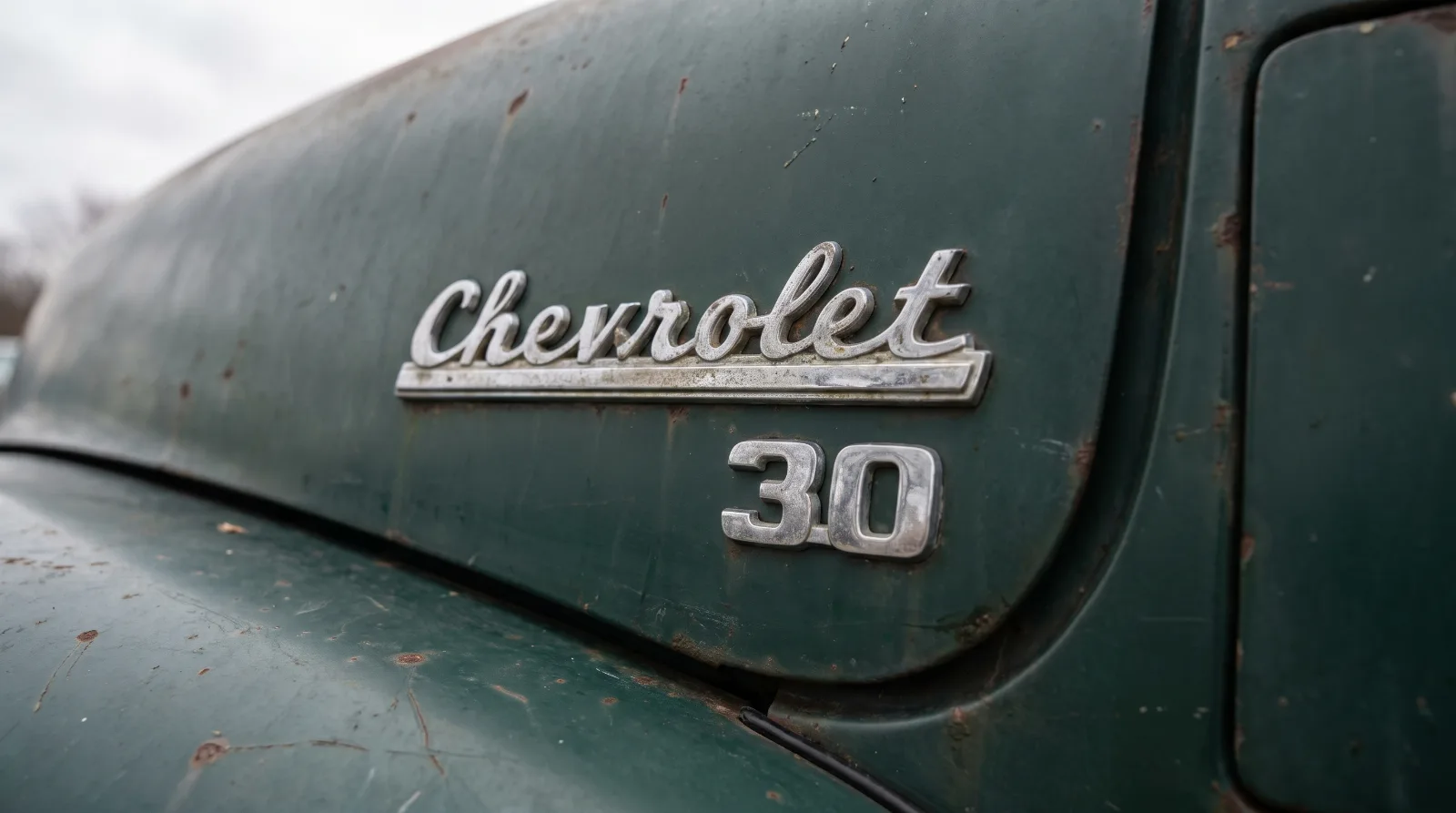
There is no 1951 Chevrolet Apache. The Apache name belongs to the generation of Chevrolet trucks that came after the one built in 1951, and it do...
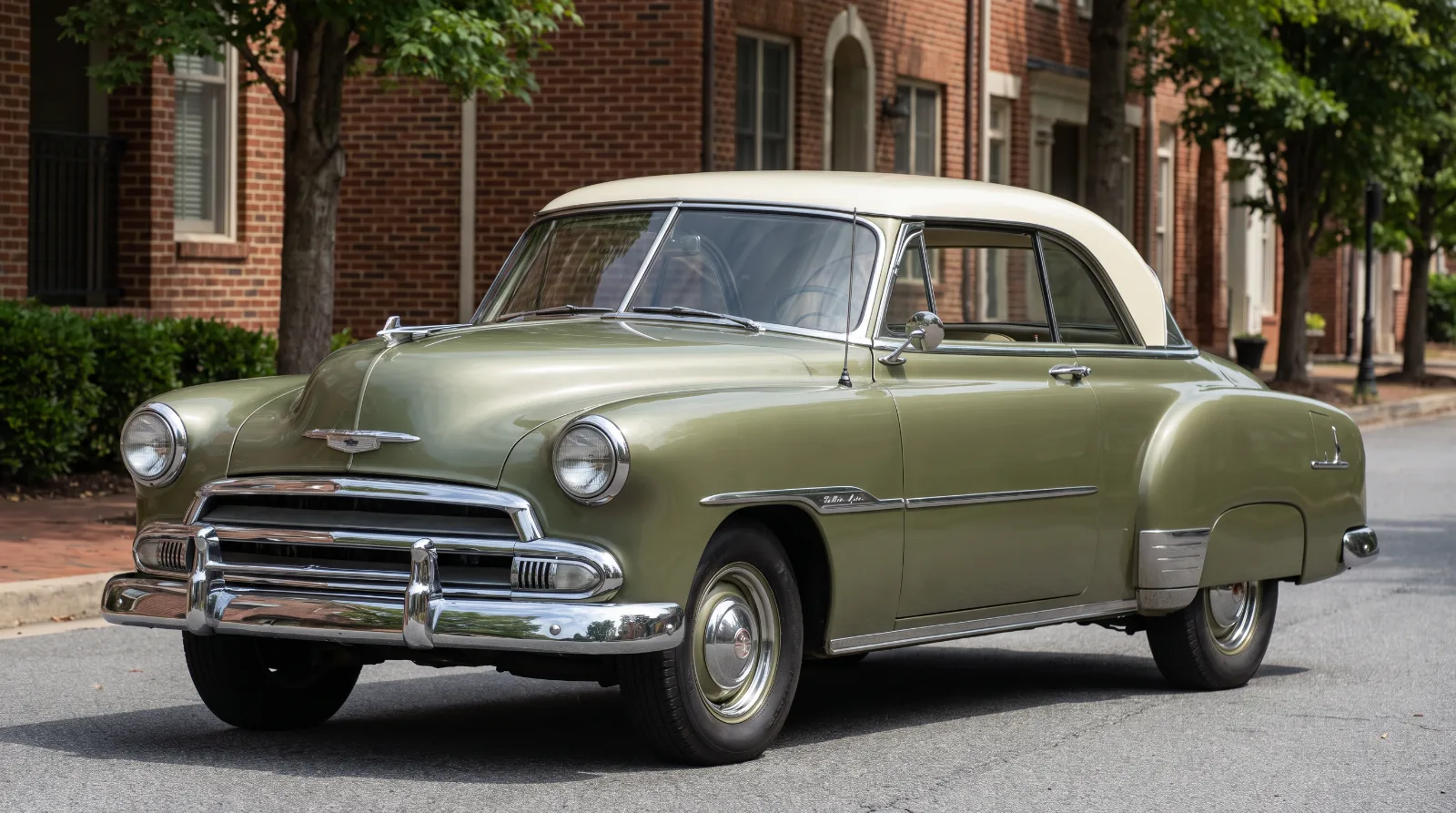
There is no 1951 Chevrolet Impala. The name did not exist in 1951, the car did not exist in 1951, and nothing Chevrolet built that year was ever...
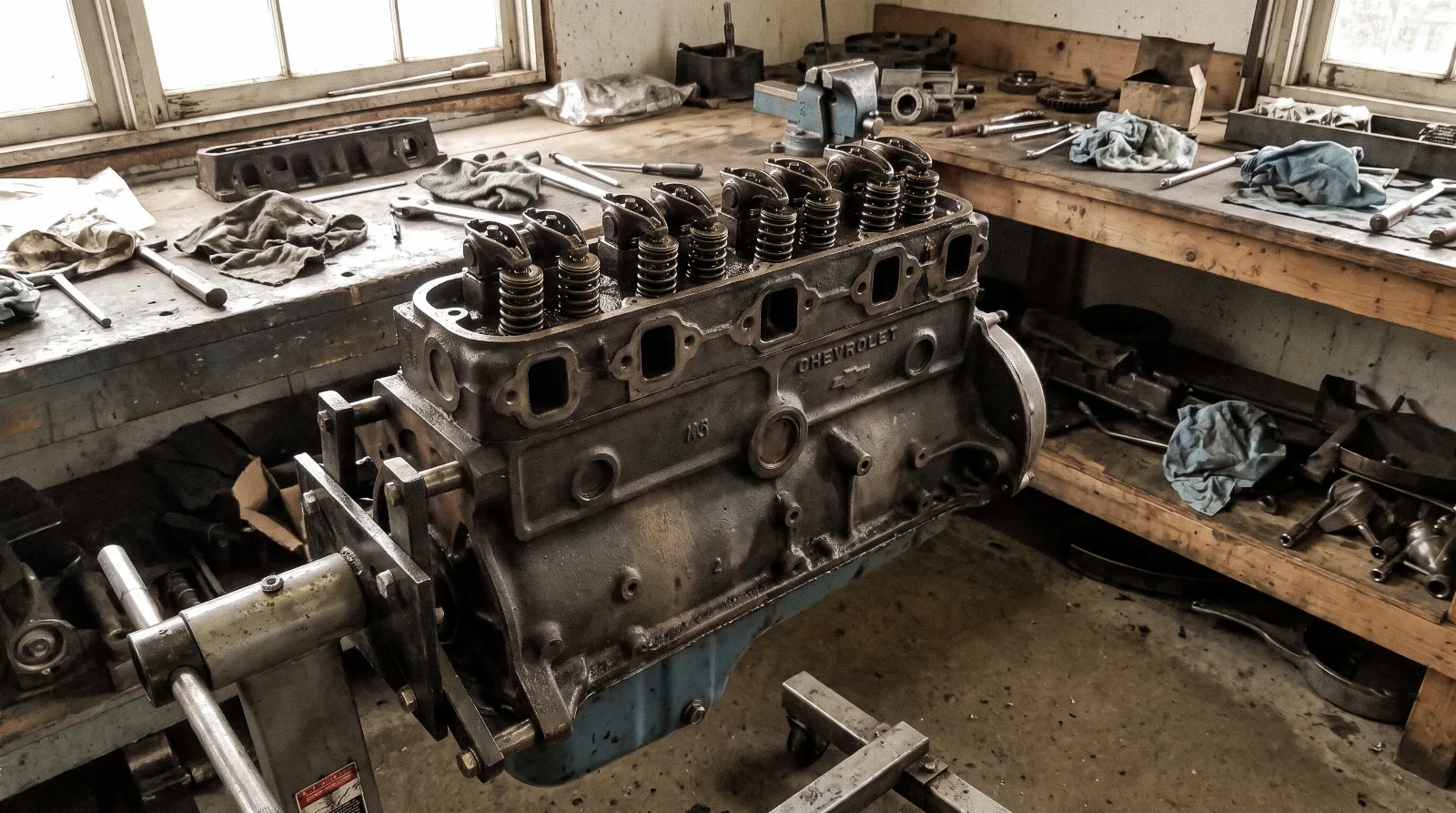
This is the page I keep in the toolbox. Not the history, not the argument about whether the 216 or the 235 is the better engine, just the numbers...
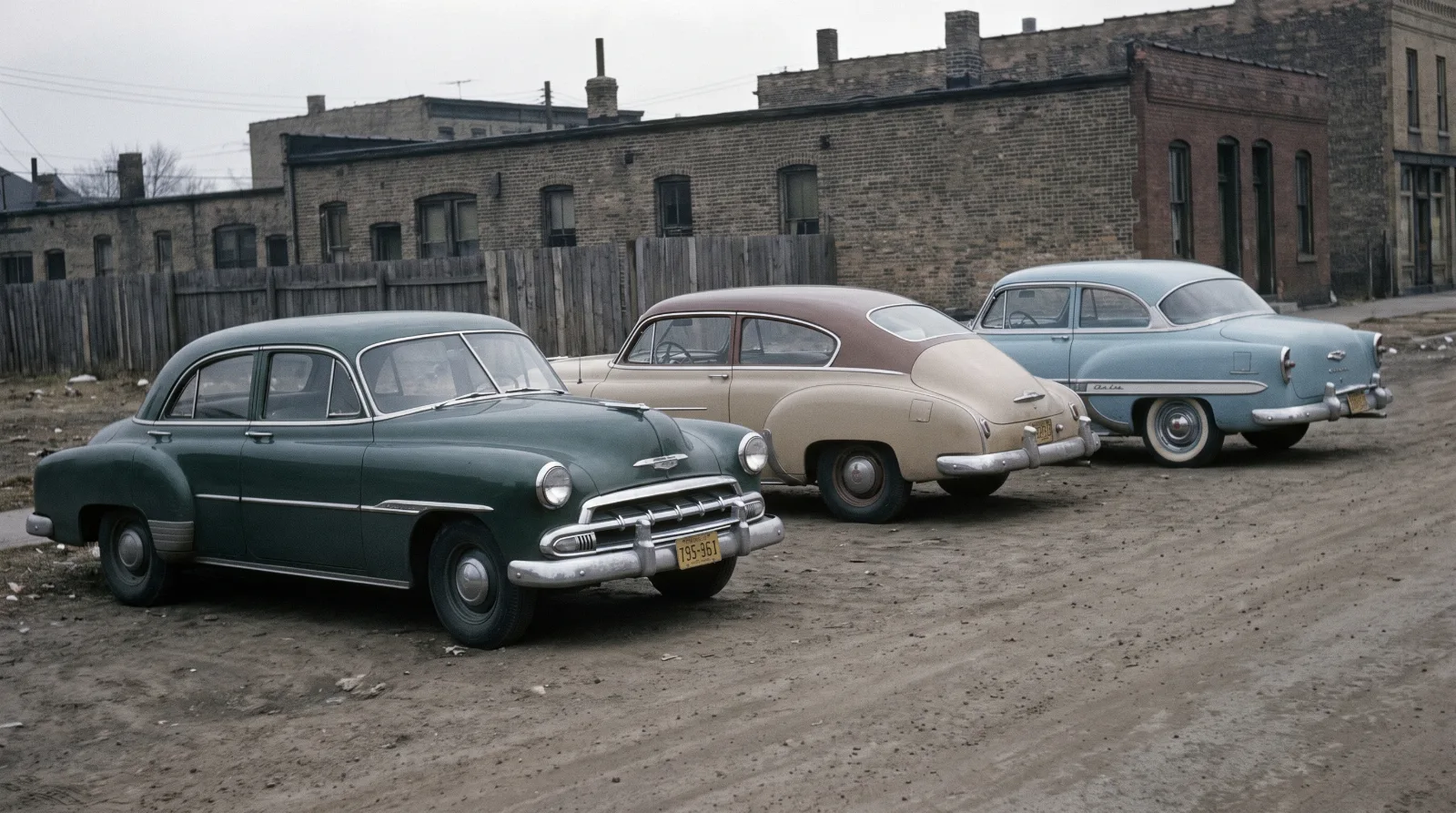
A surprising share of the people searching for a 1951 Chevrolet are looking for a car that did not exist. Not because they are careless, but beca...
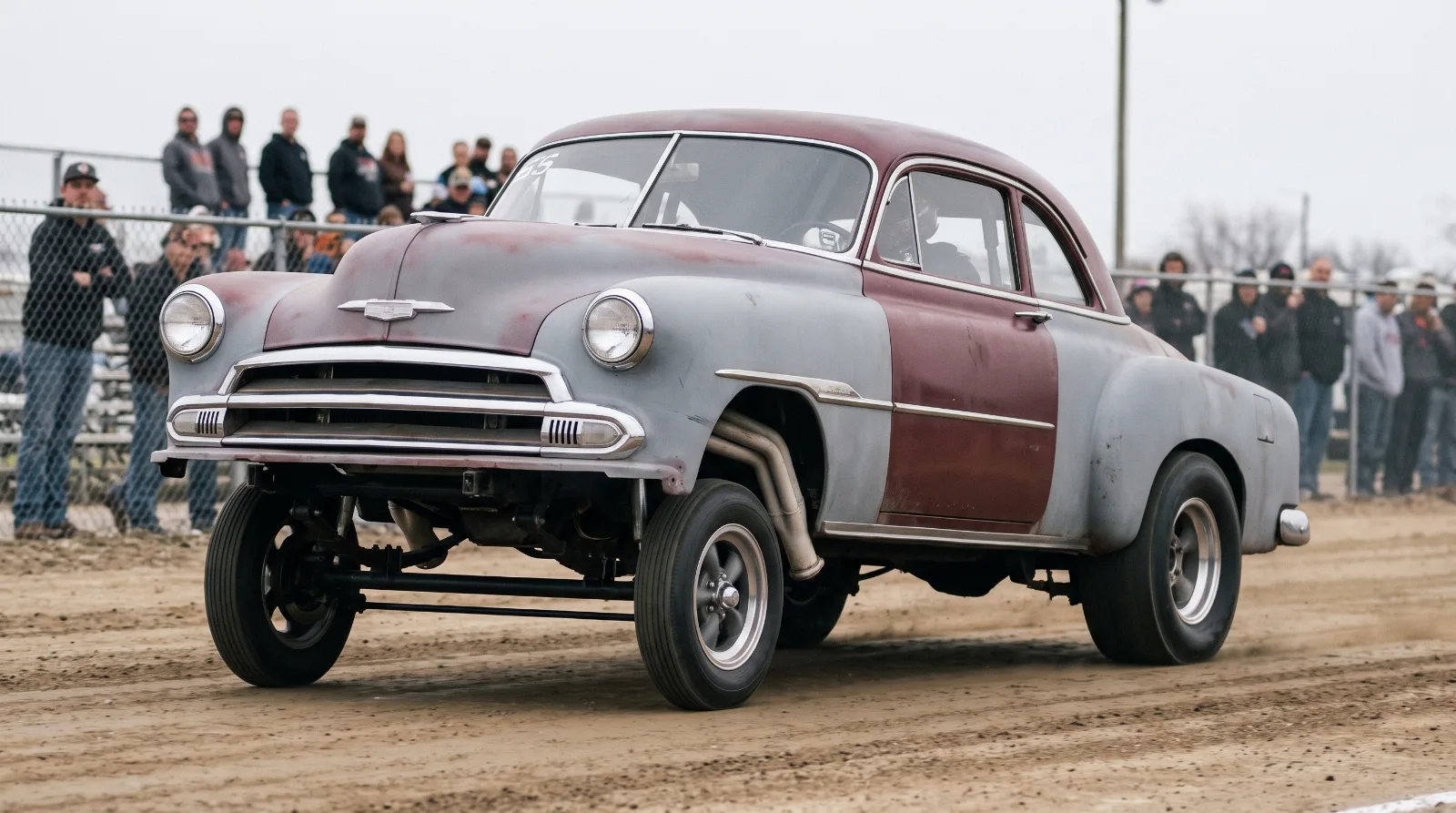
A gasser sits nose up, on skinny front tyres and fat rear slicks, with more engine than the body was ever meant to hold. It looks wrong from ever...
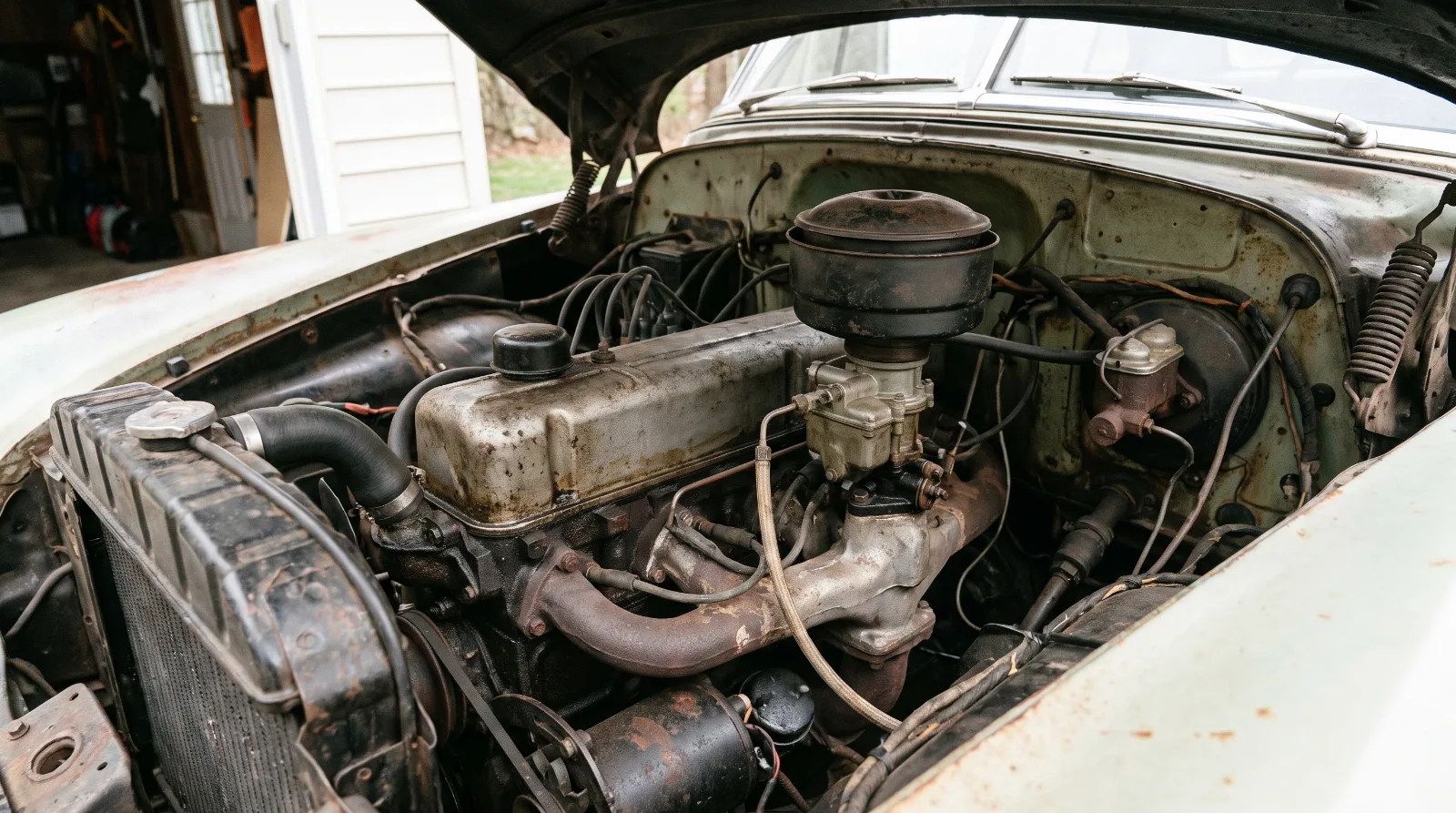
Here is the thing most people get wrong about a 1951 Chevrolet. They see Stovebolt six, they read about the 235, and they assume that is what is...
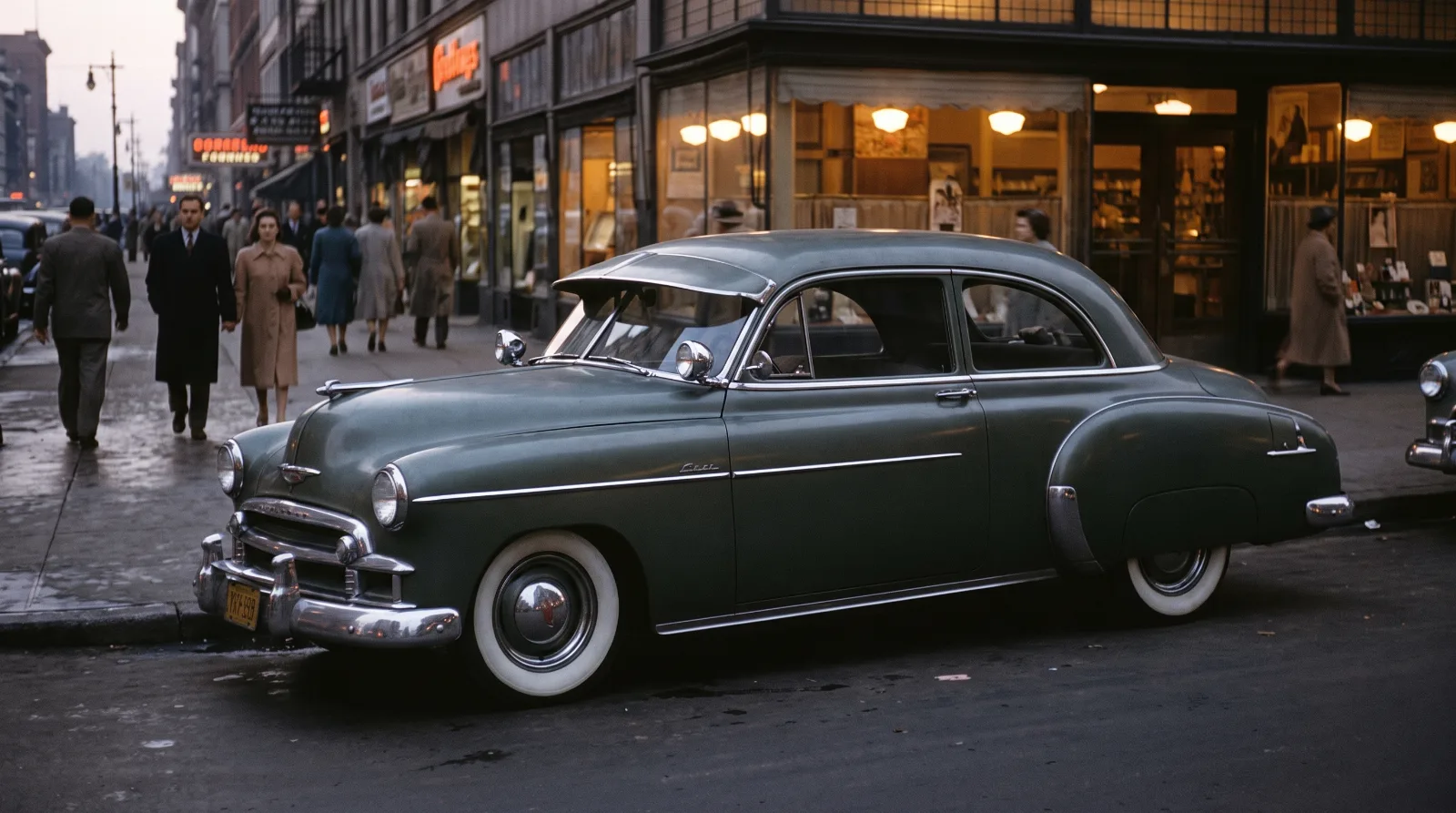
A 1951 Chevrolet is a bomb. Not an insult and not slang for something broken: in lowriding, a bomb is one of the rounded American production cars...
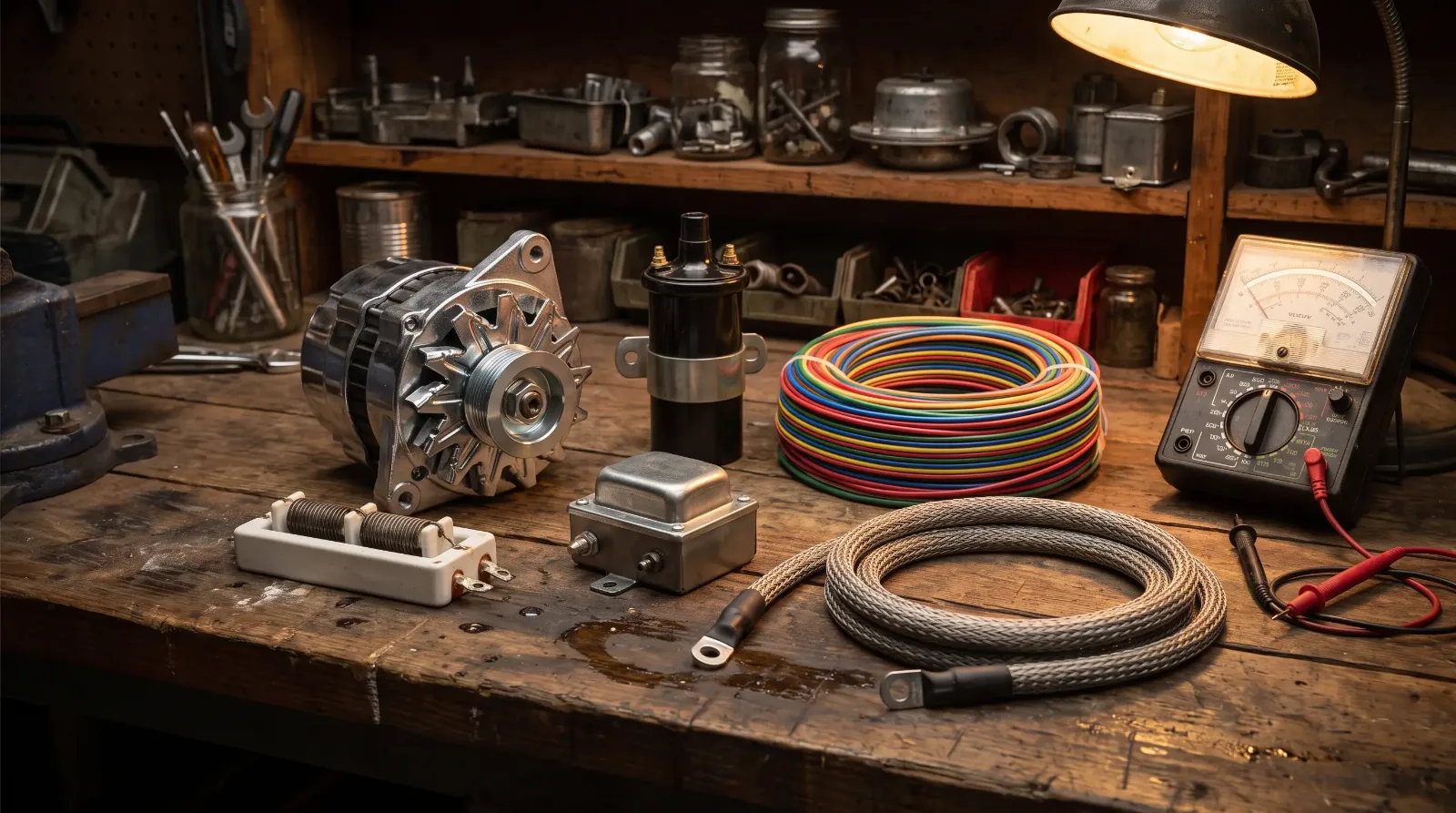
The six volt to twelve volt conversion is the most argued-about job on an early Chevrolet, and most of the argument is between people who have ne...
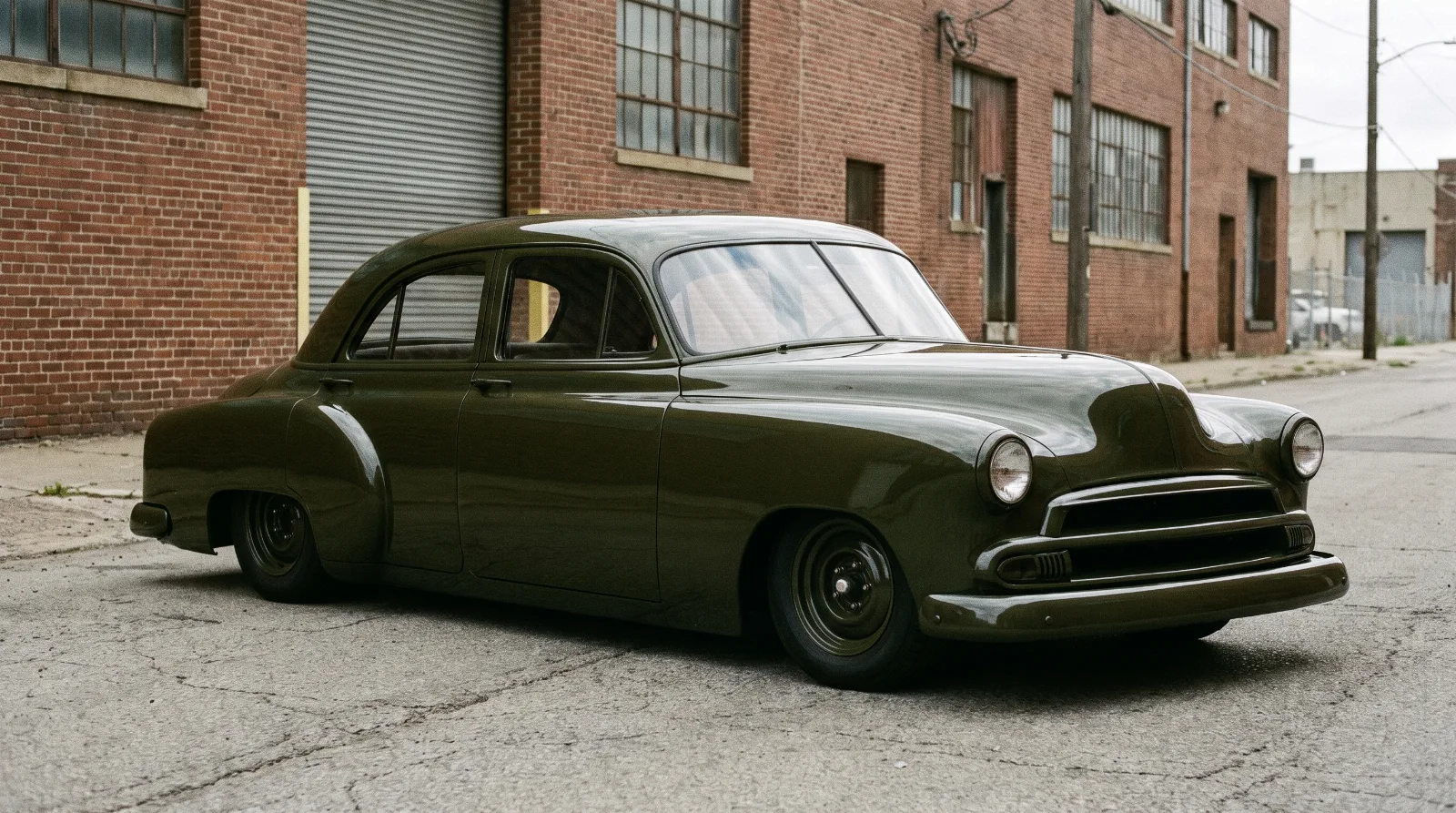
More 1951 Chevrolets have been modified than restored. That is not a complaint, it is arithmetic: Chevrolet built well over a million cars that y...
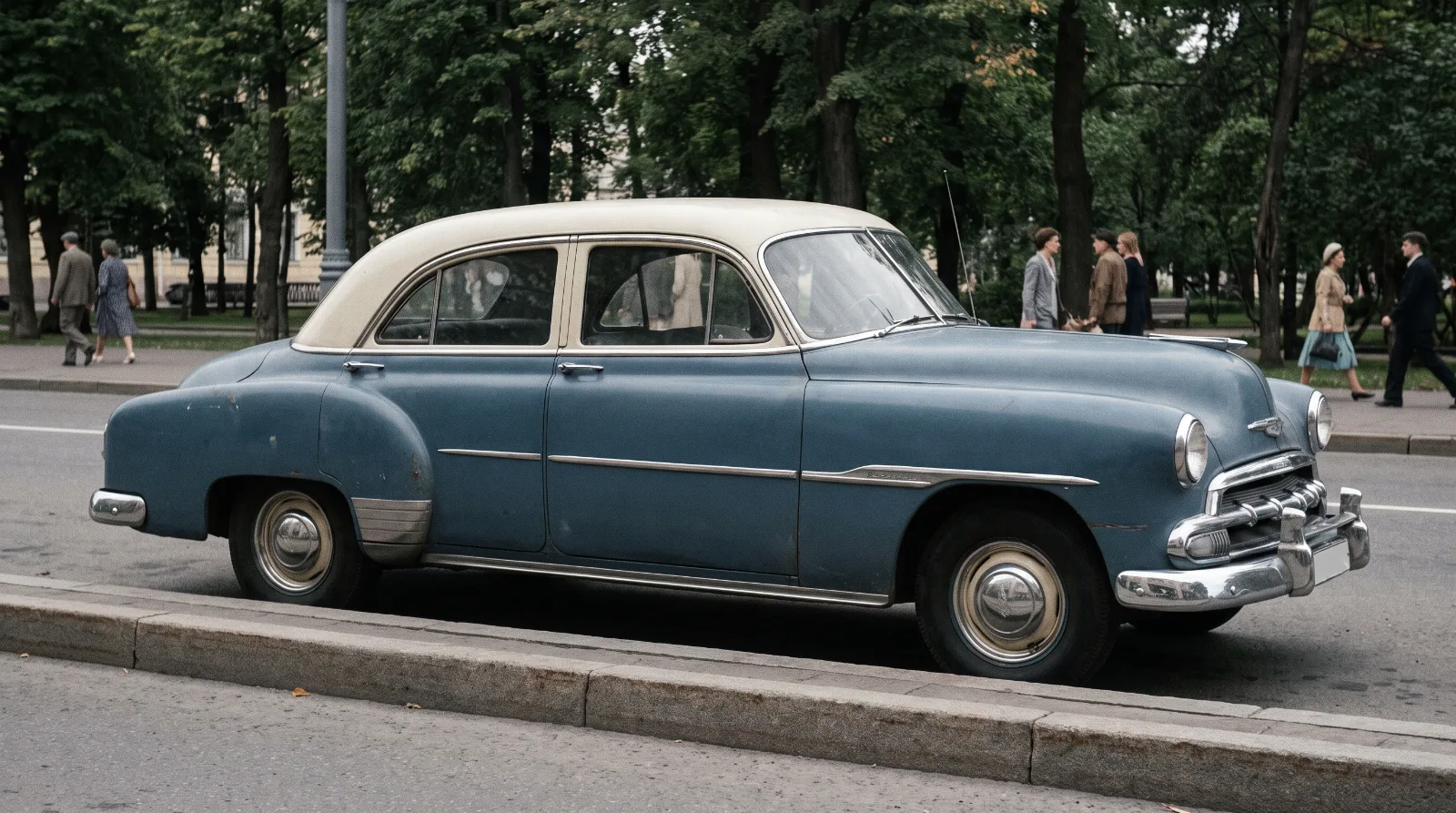
Somebody advertises a 1951 Chevrolet four door and you still do not know what they have. In 1951 Chevrolet sold four different four door sedans,...
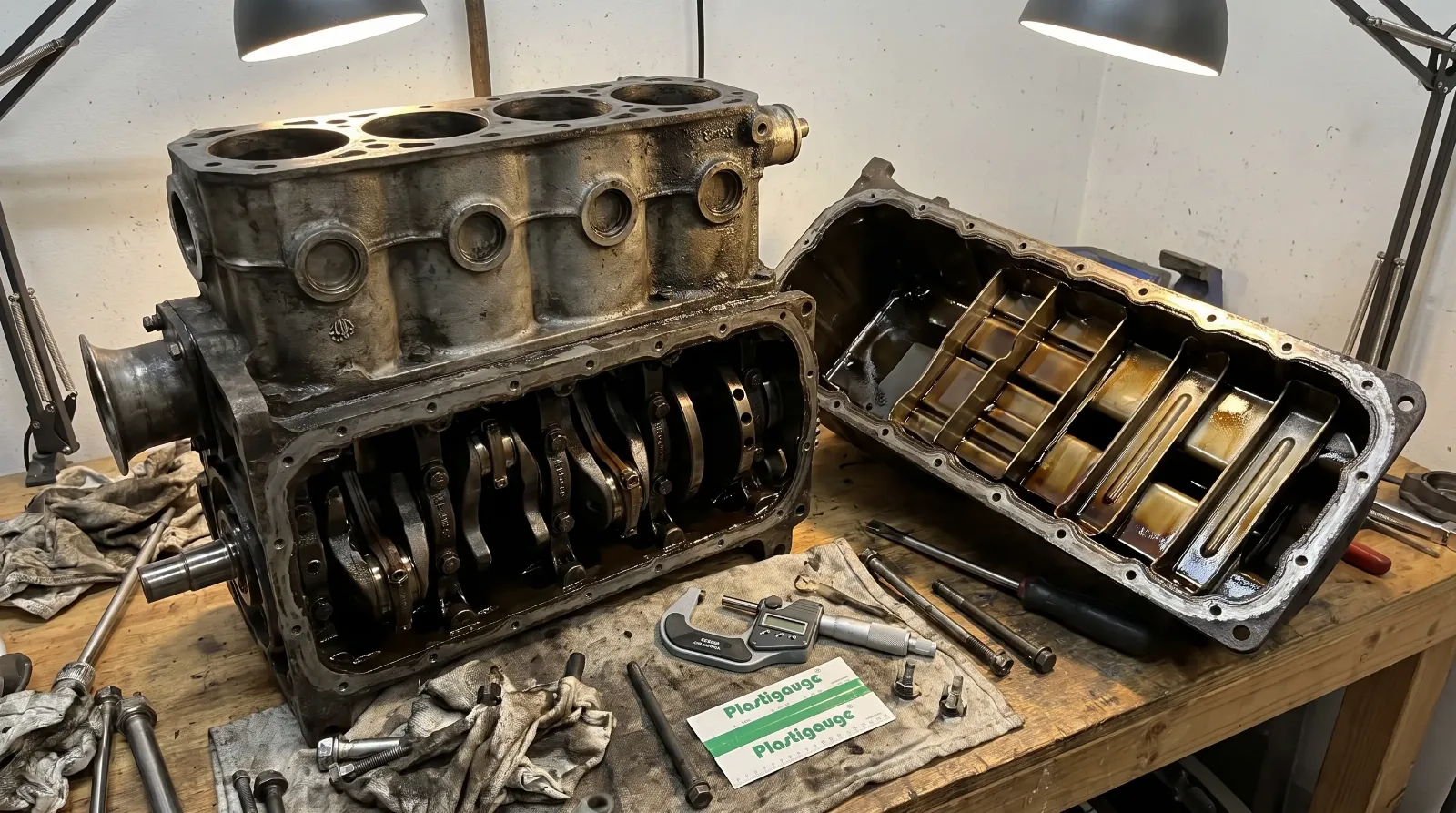
A Chevy 235 is one of the friendlier engines to rebuild in a home garage. Six cylinders in a row, a cast iron block you can lean over, no interfe...