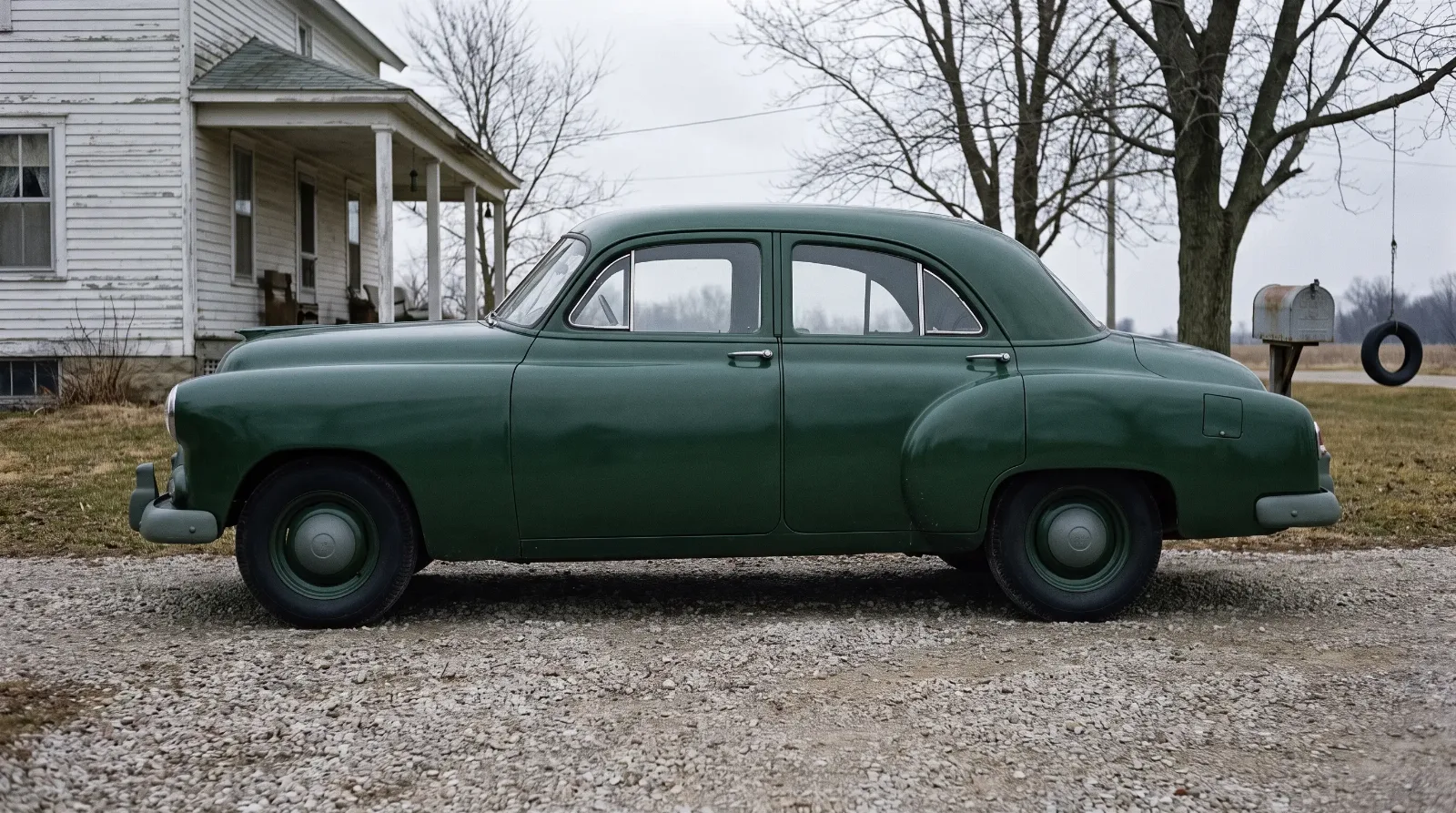
1951 Chevrolet Styleline Special
The 1951 Chevrolet Styleline Special is the car most people mean when they picture a plain old 1951 Chevy. No stainless spear down the fender, no...
Start here
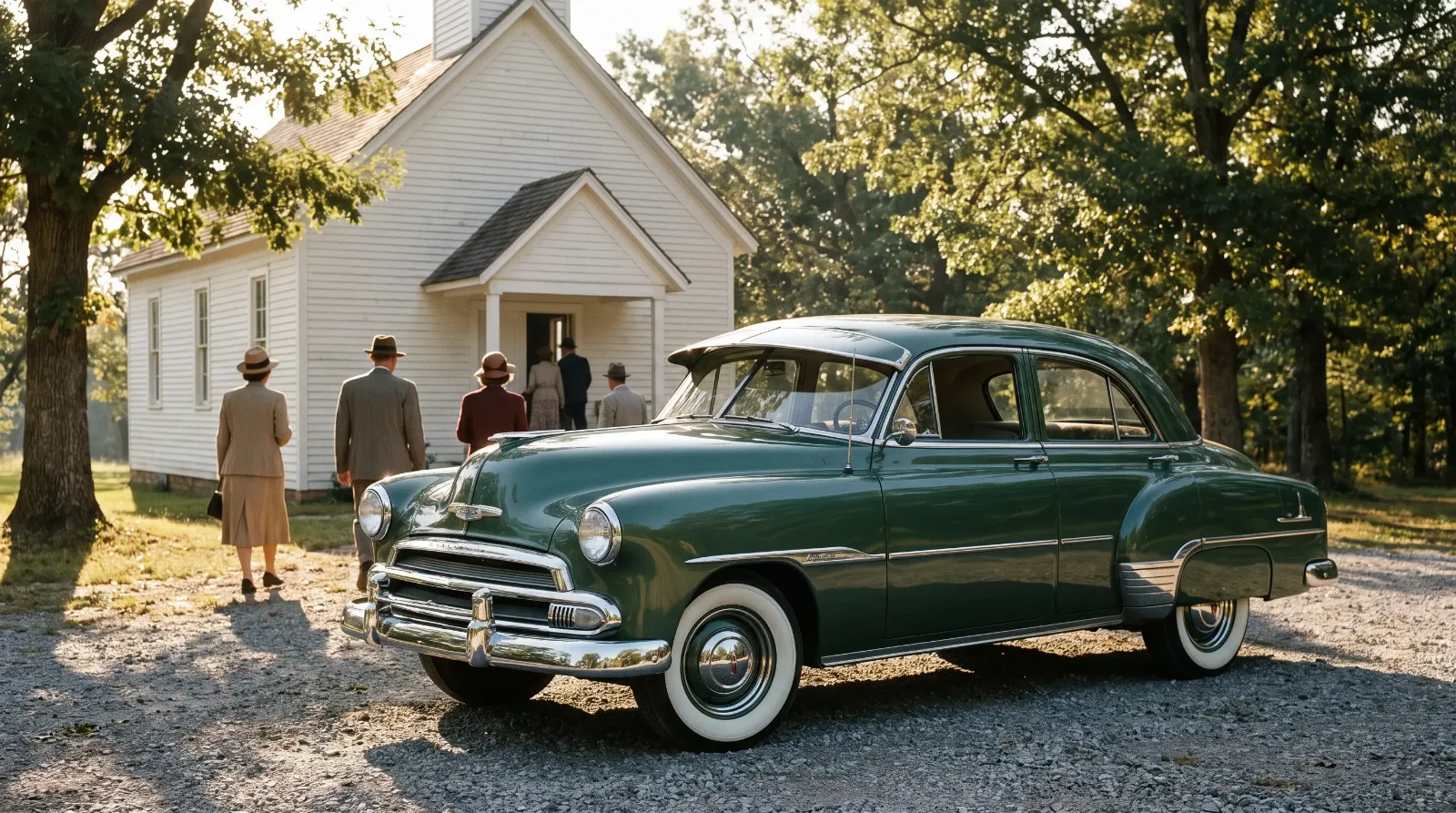
When a 1951 Chevrolet was the family car, it did not shout for attention. It just showed up every morning, started on the first pull of the choke, and carried f...
The 1951 Chevrolet Styleline Special is the car most people mean when they picture a plain old 1951 Chevy. No stainless spear down the fender, no...
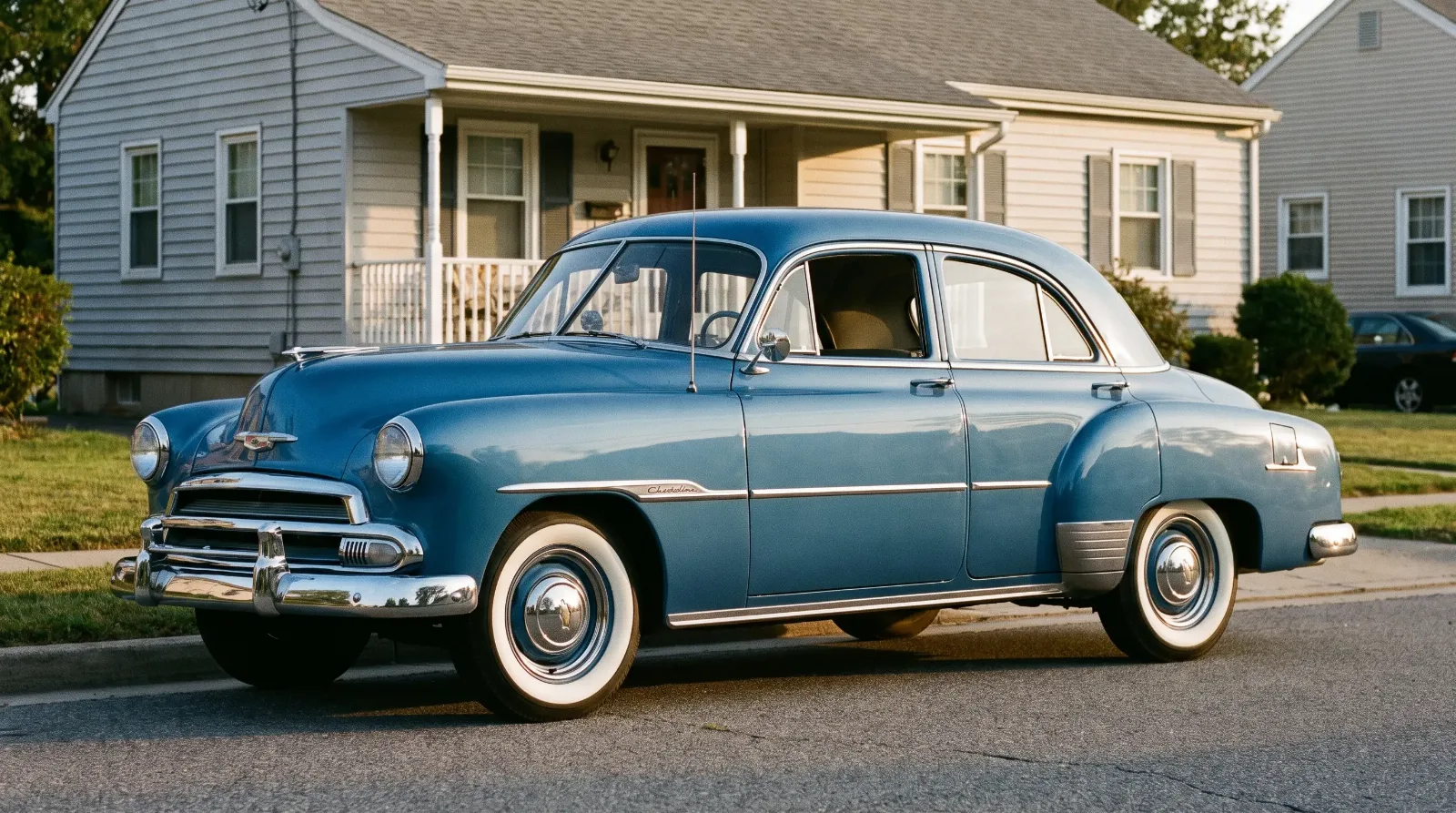
The 1951 Chevrolet Styleline De Luxe was the car America actually bought. Not the Bel Air, not the convertible, not the fastback. The plain-looki...
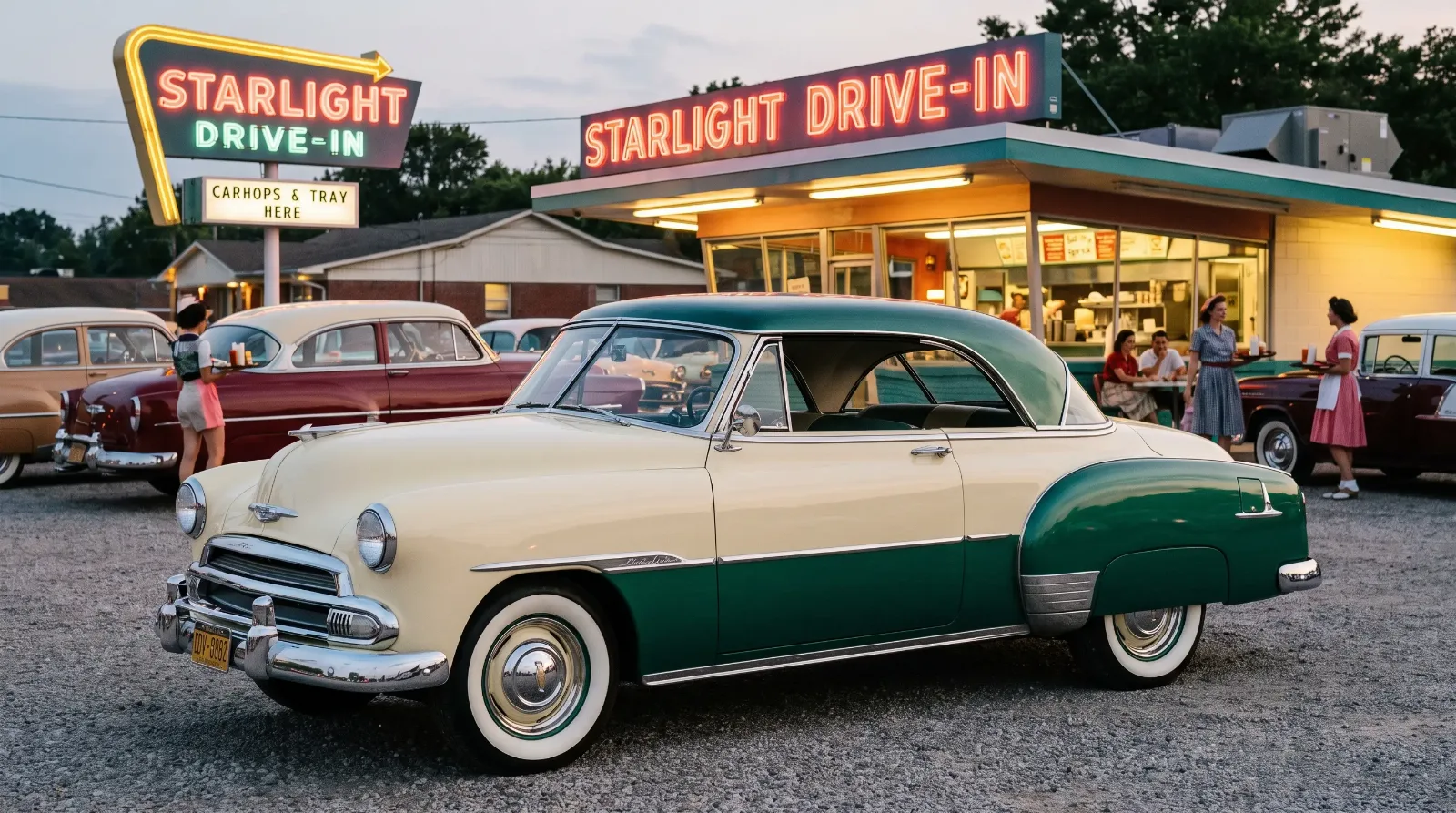
The 1951 Chevrolet Bel Air is the car that brought the hardtop down to where working people could buy one. Roll all four windows down and there i...
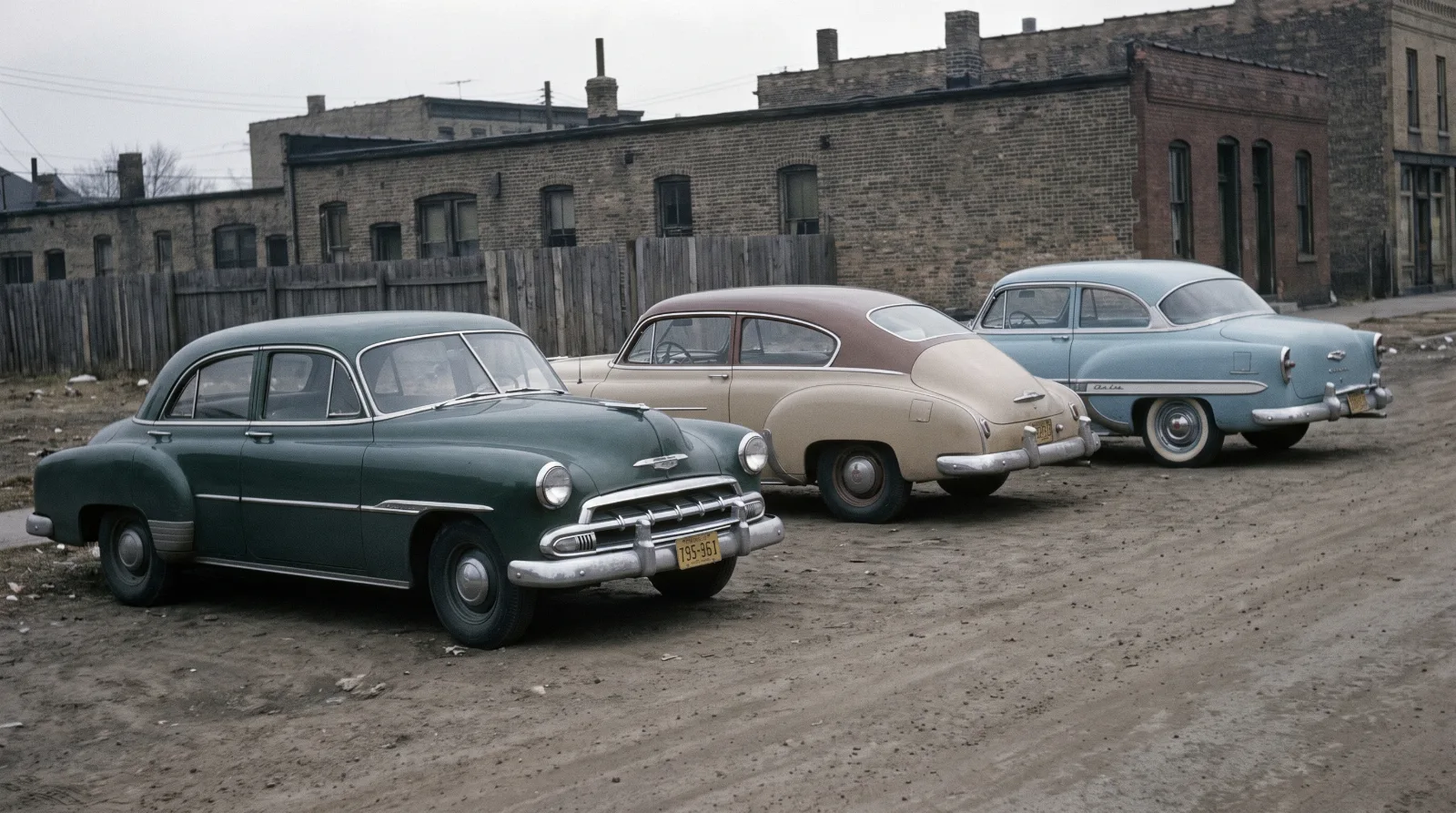
A surprising share of the people searching for a 1951 Chevrolet are looking for a car that did not exist. Not because they are careless, but beca...
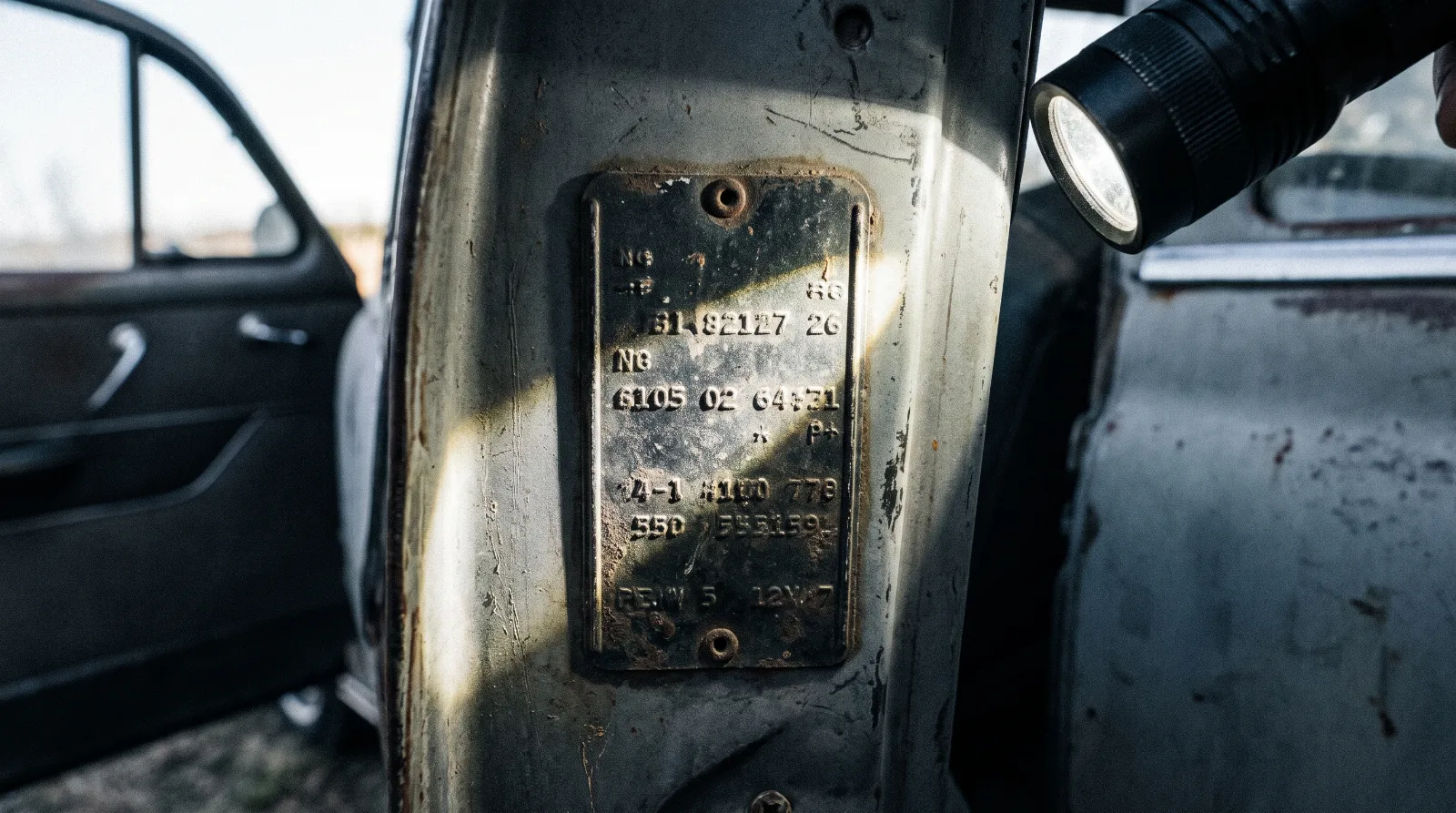
Somebody is standing in a barn with a torch, looking at a black sedan, and the question is not whether it is a Chevrolet. The question is which o...
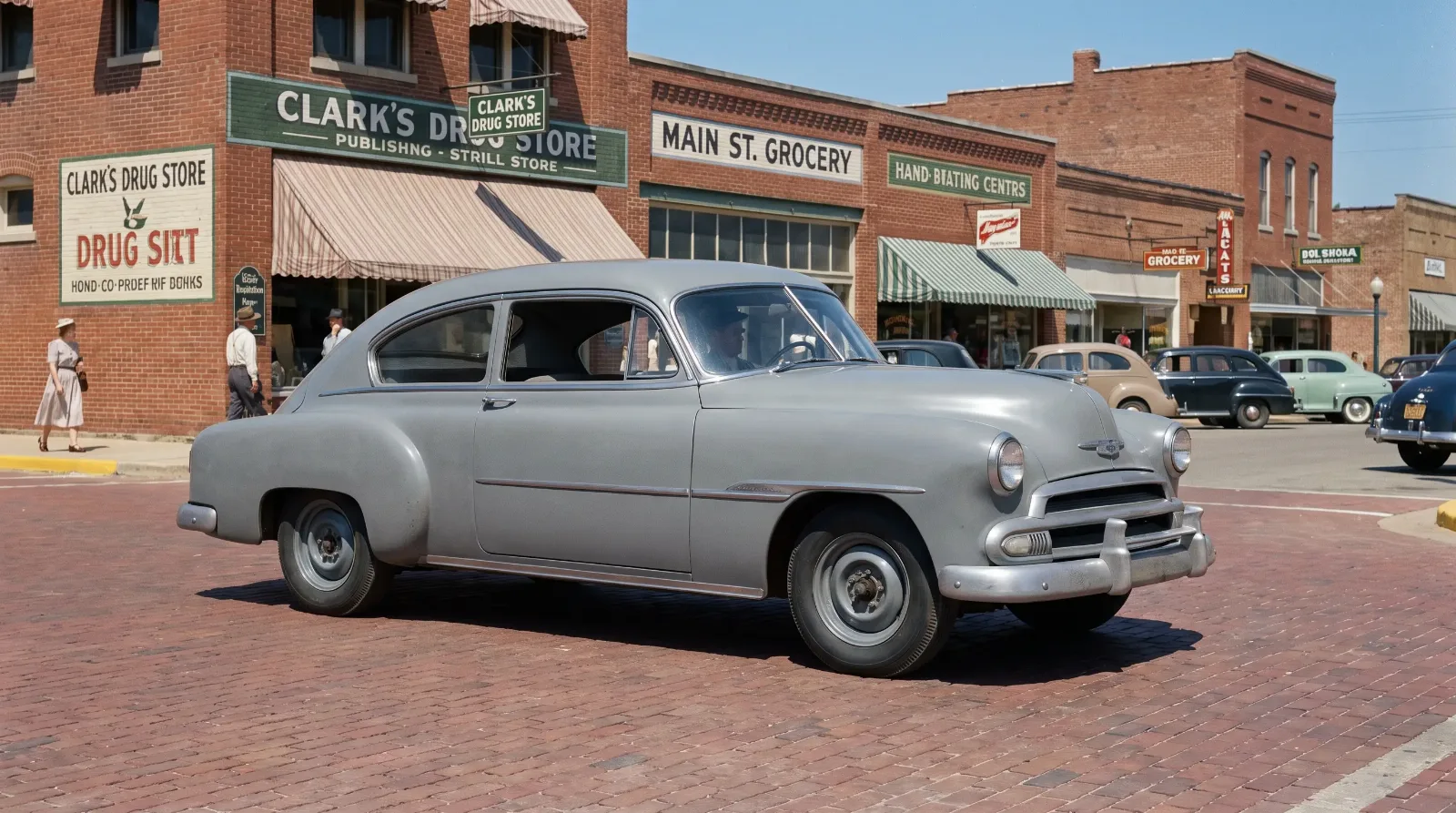
The 1951 Chevrolet Fleetline Special is the fastback that most folks picture when they think of a postwar Chevy sliding down Main Street. Long sl...
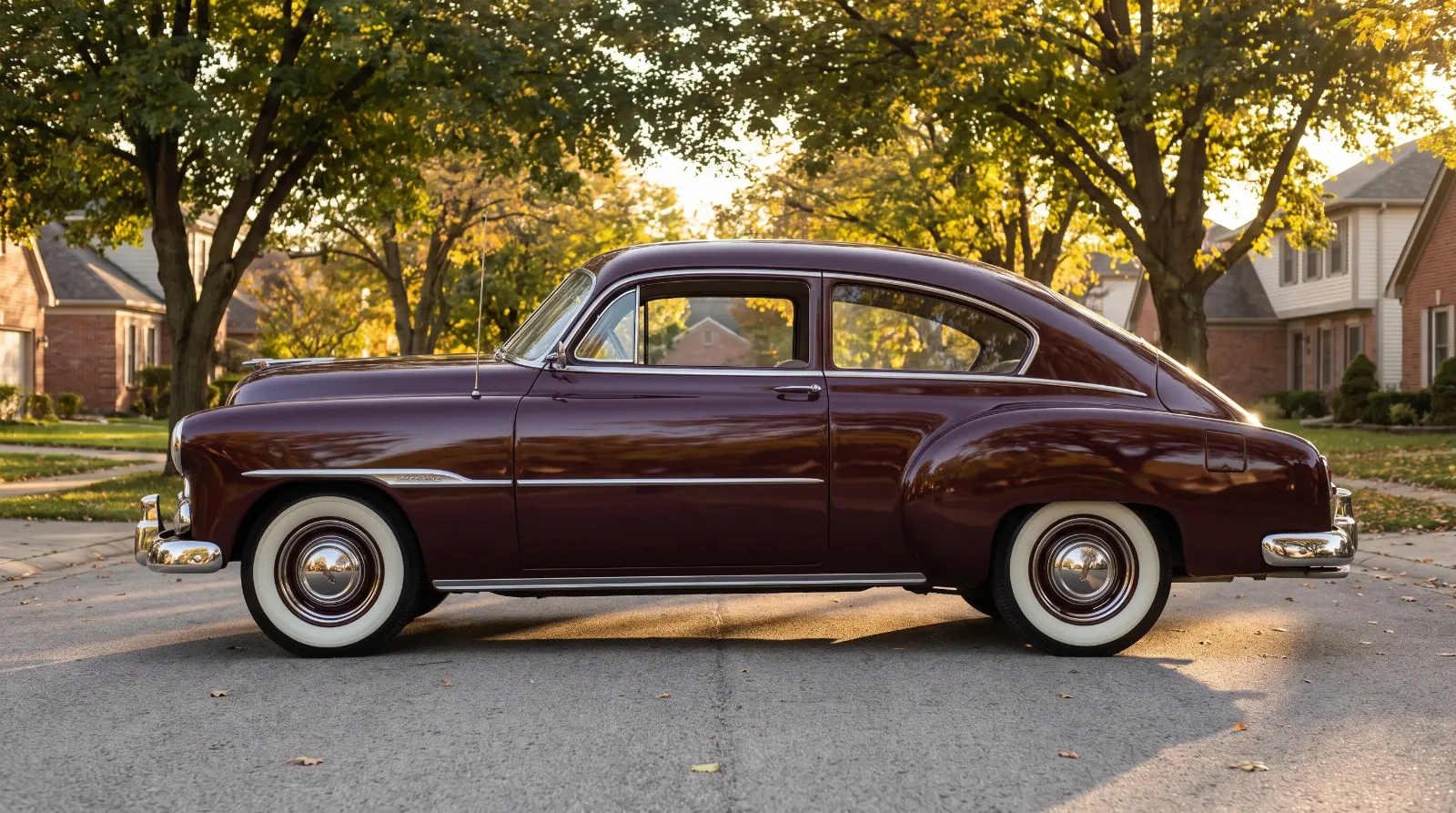
The 1951 Chevrolet Fleetline De Luxe is the fastback with the good trim on it, and to my eye it is the best looking car Chevrolet built in that w...
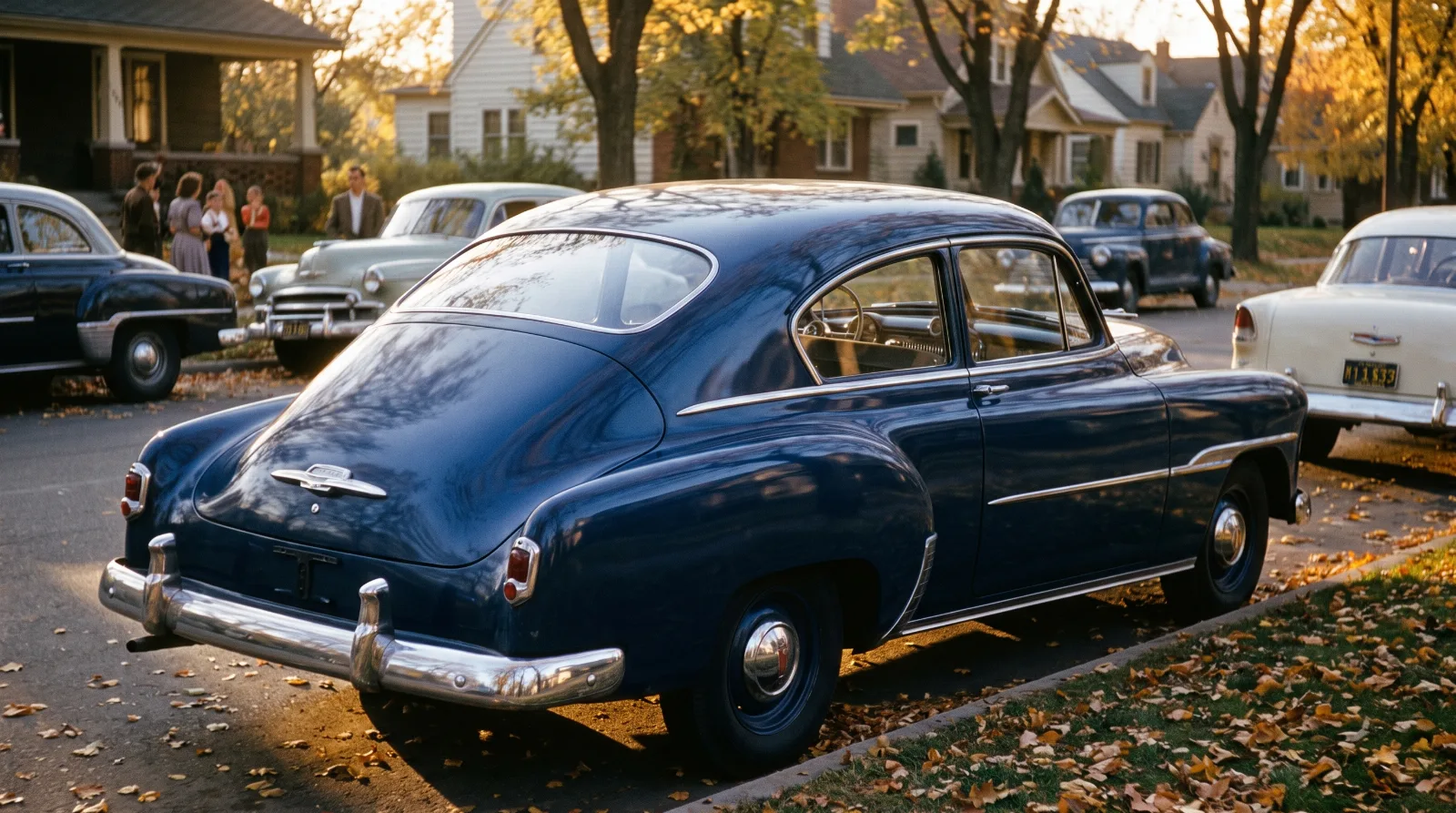
The fastback 1951 Chevrolet is the Fleetline, and 1951 is the year to pay attention to, because it is the last one that makes any sense. After 19...
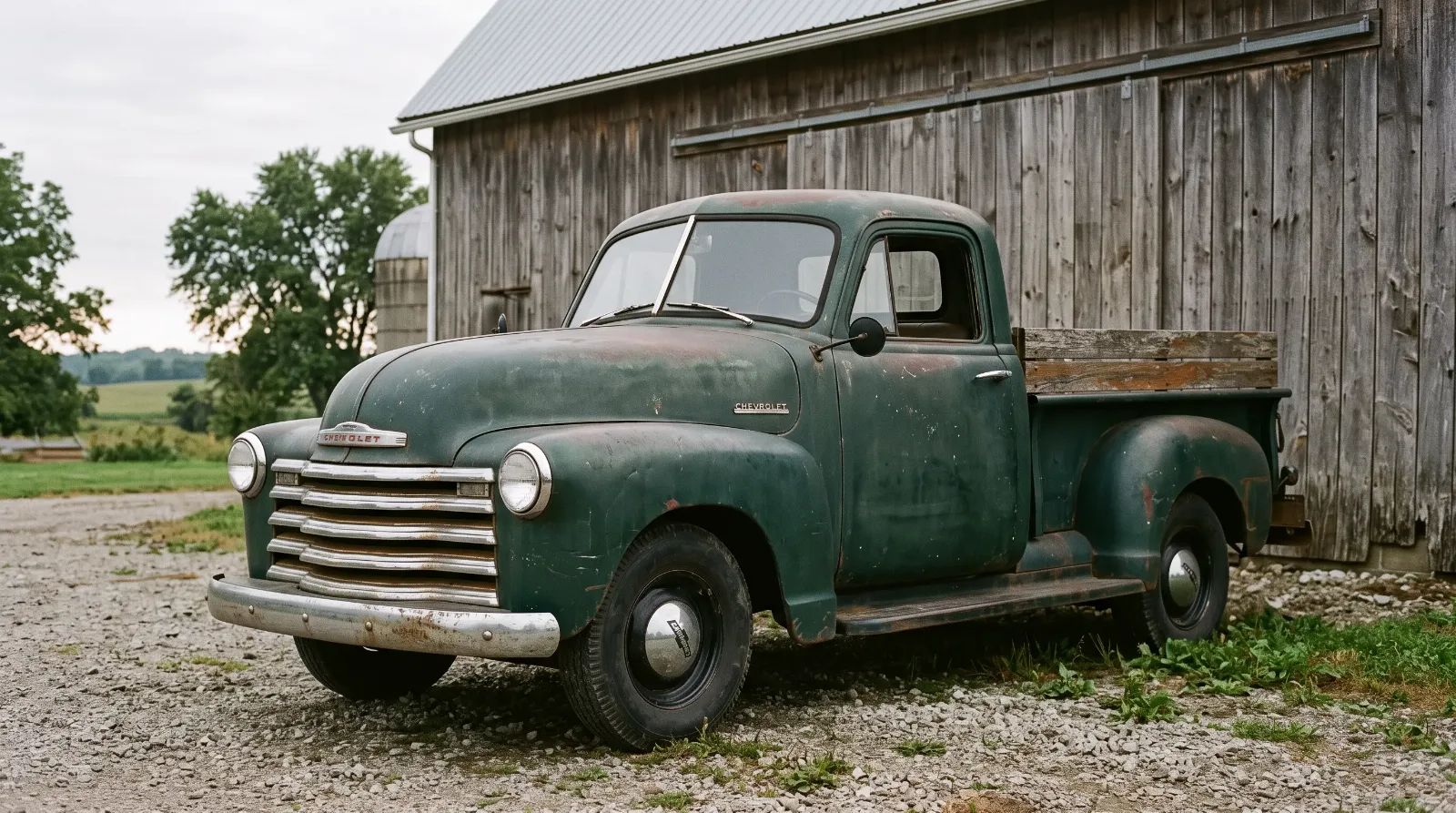
The 1951 Chevrolet truck is the one year of the Advance Design run that you can identify from across a field, and most people who own one do not...
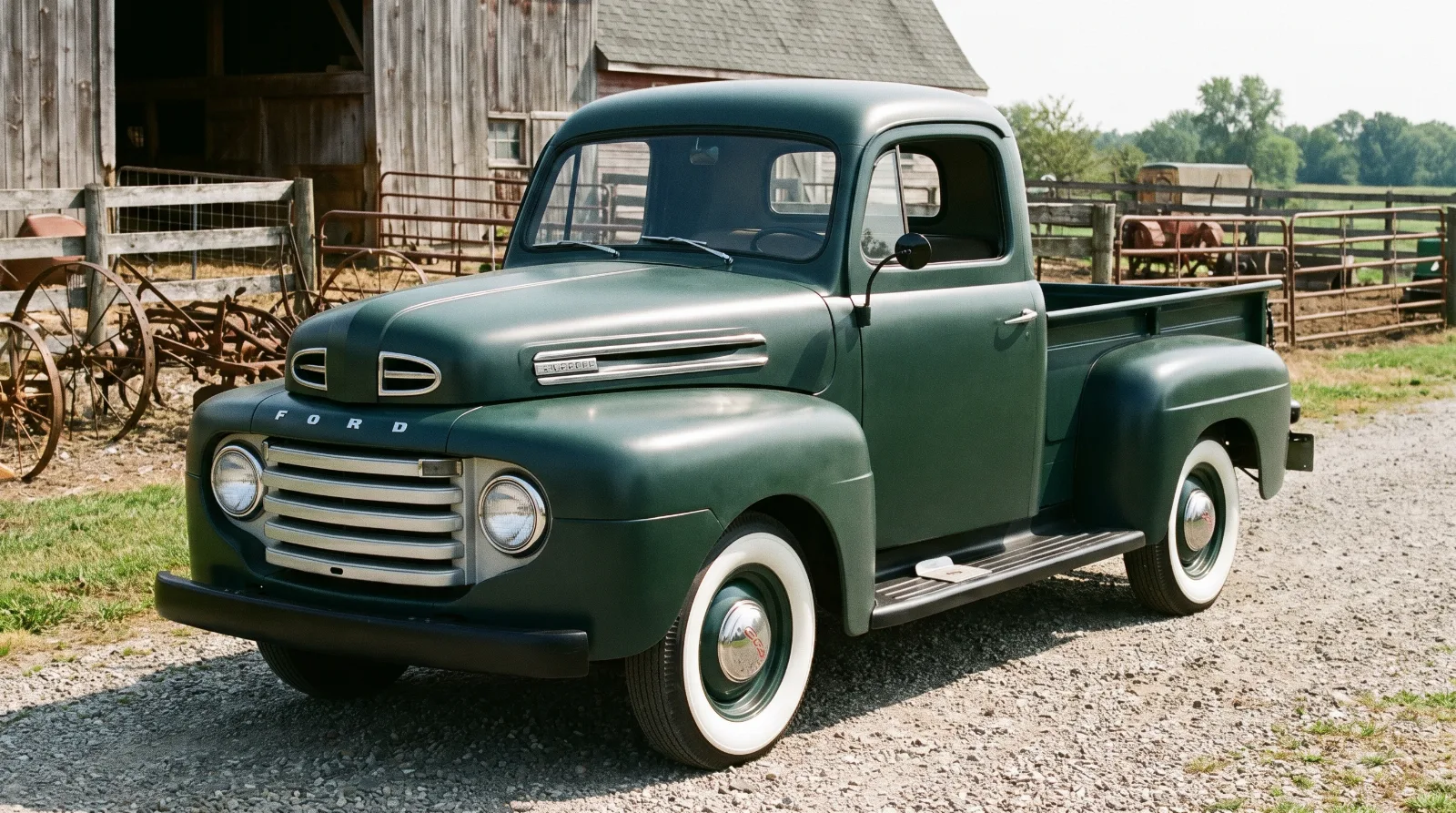
The 3100 is the half ton. It is the truck almost everybody means when they say Advance Design, the one on the calendar and in the film, and in 19...
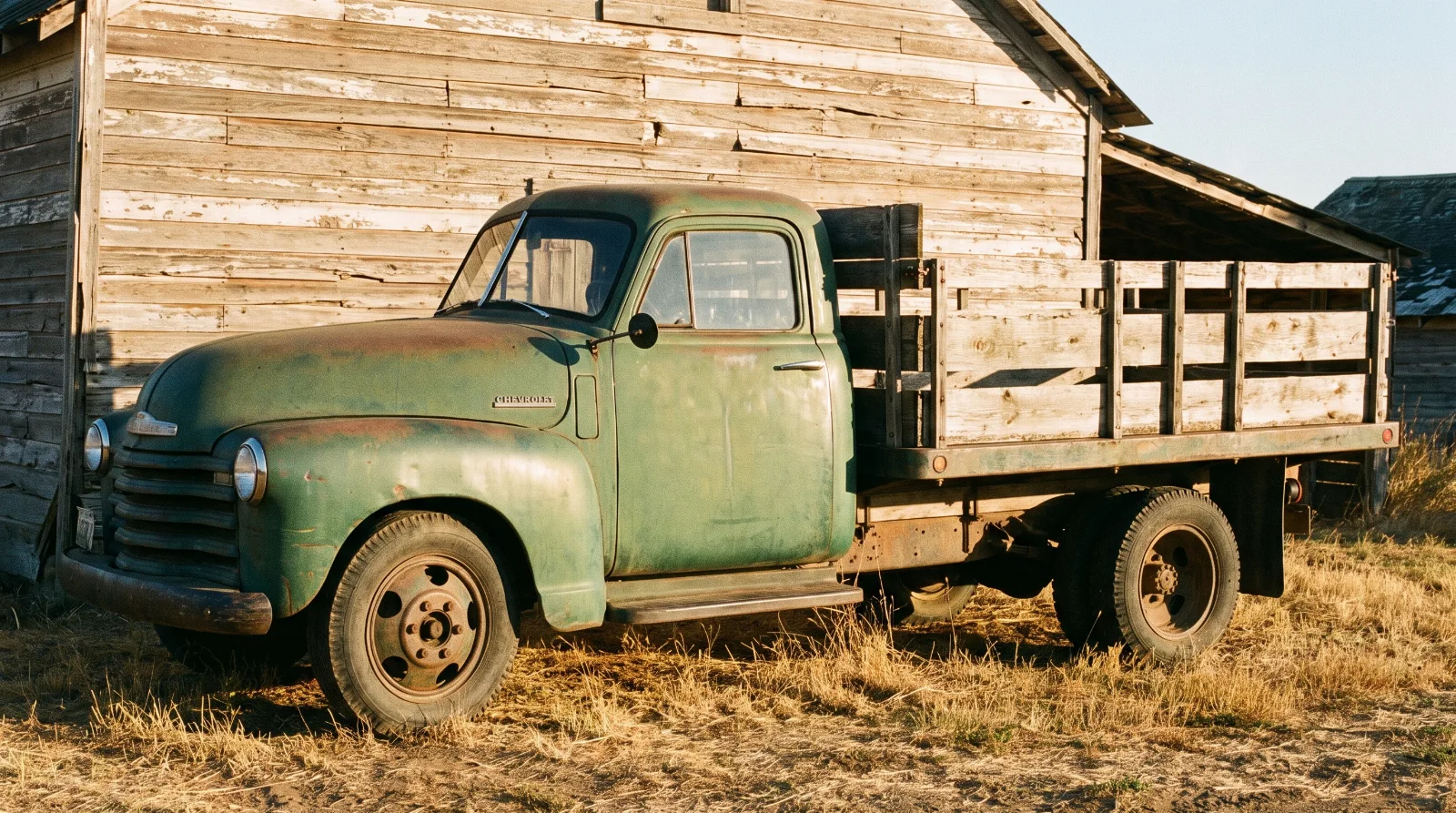
The 3600 is the three-quarter ton truck, and it is the one I tell people to buy. Same cab, same nose, same six, same year-specific door details a...
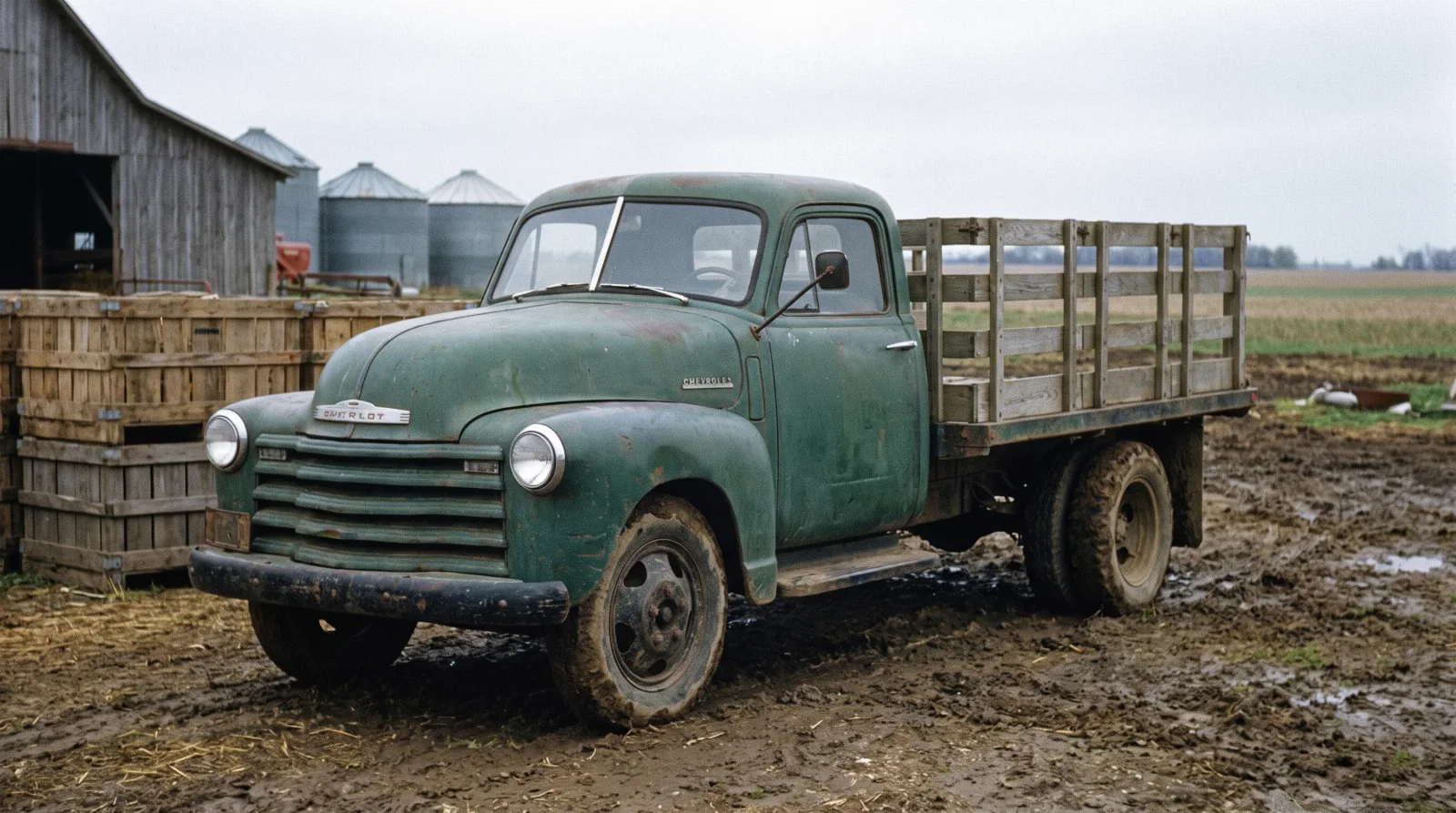
The 3800 is the one ton, the heaviest of the three light Advance Design chassis, and it is the truck people walk past at shows on their way to th...
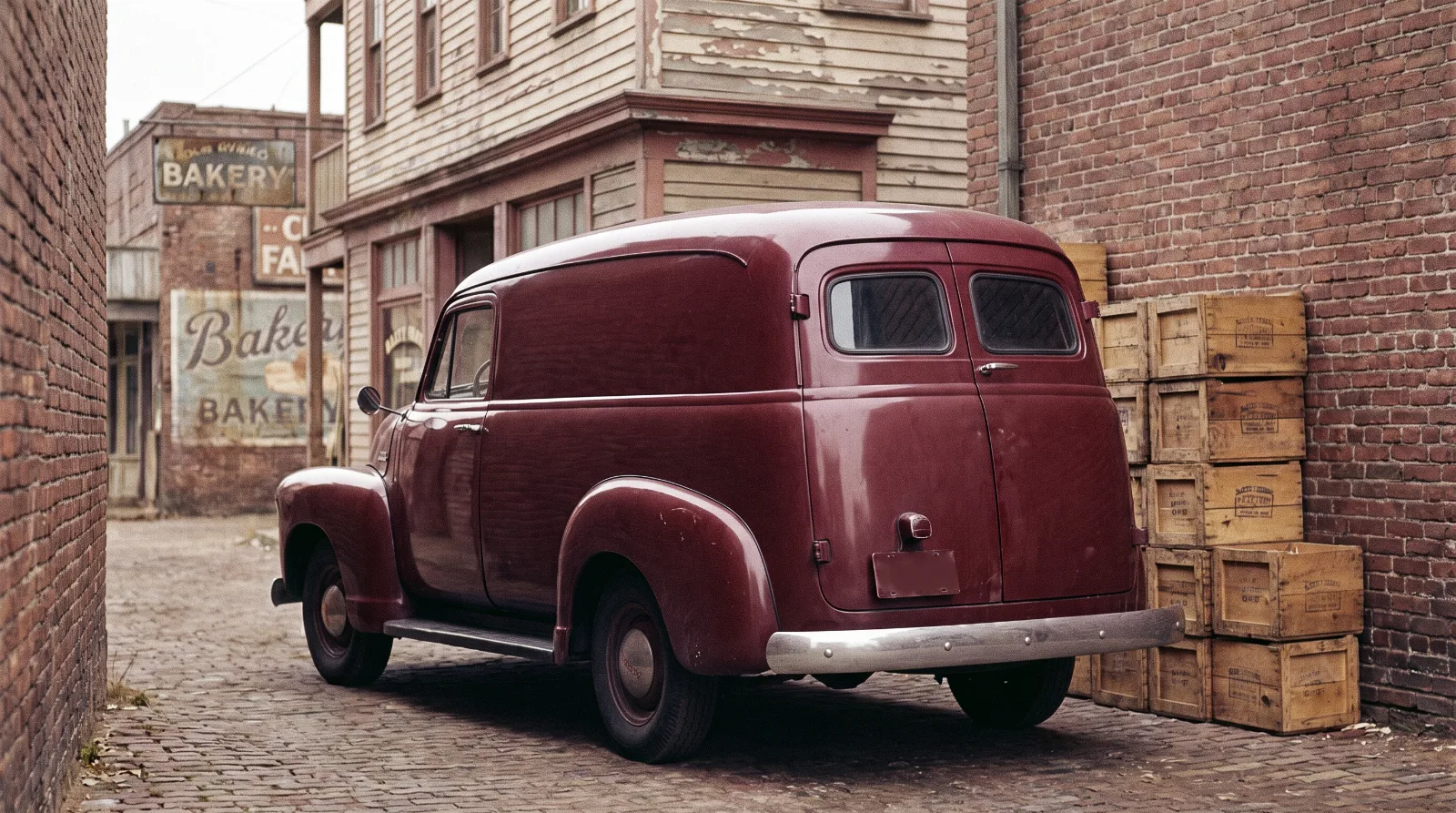
A panel truck is a pickup with the bed replaced by a closed steel box, and in 1951 Chevrolet would sell you one on the half-ton chassis or the on...
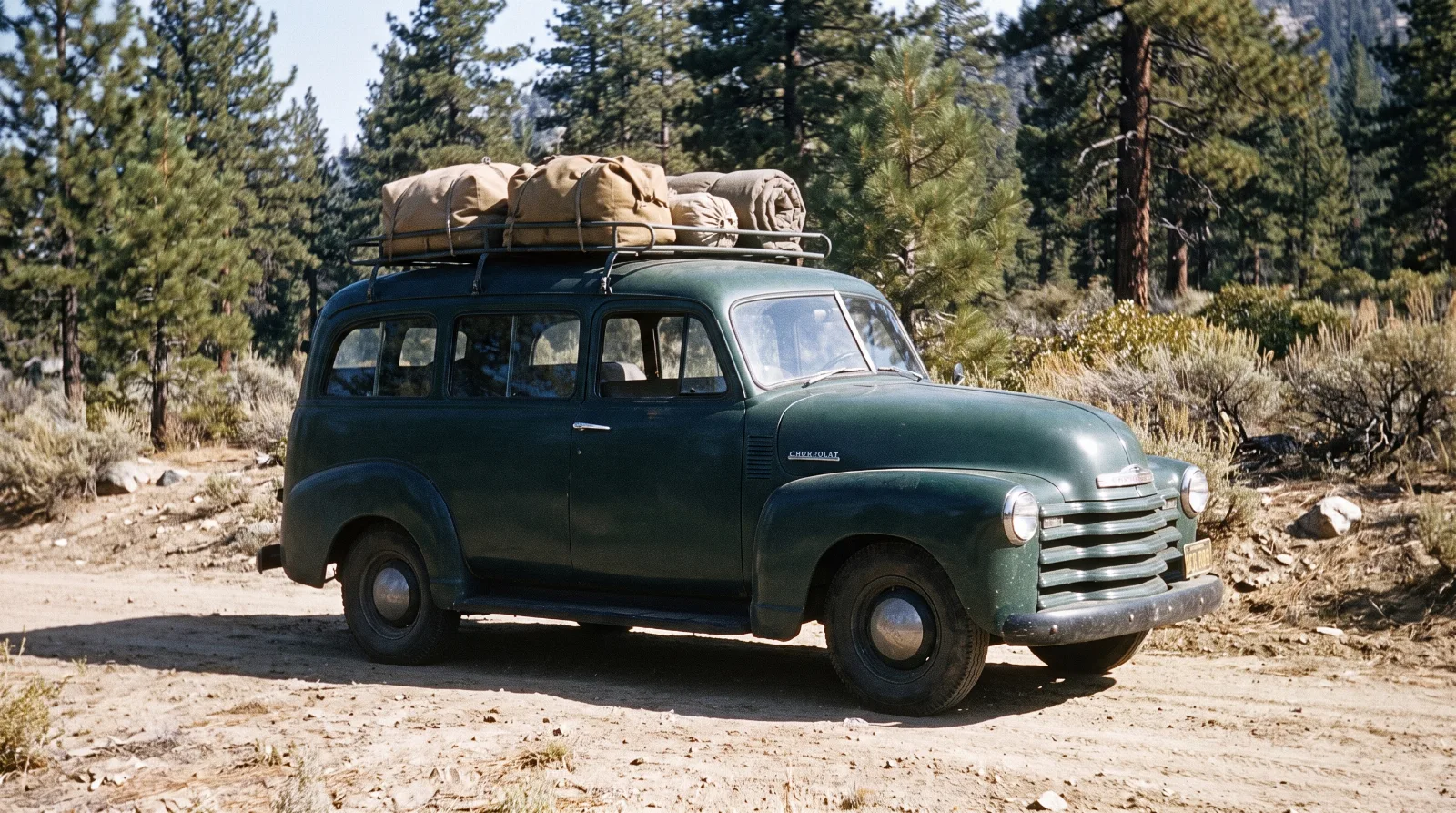
Long before anybody used the phrase sport utility vehicle, Chevrolet was selling one. The Carryall Suburban is a panel truck with windows cut int...
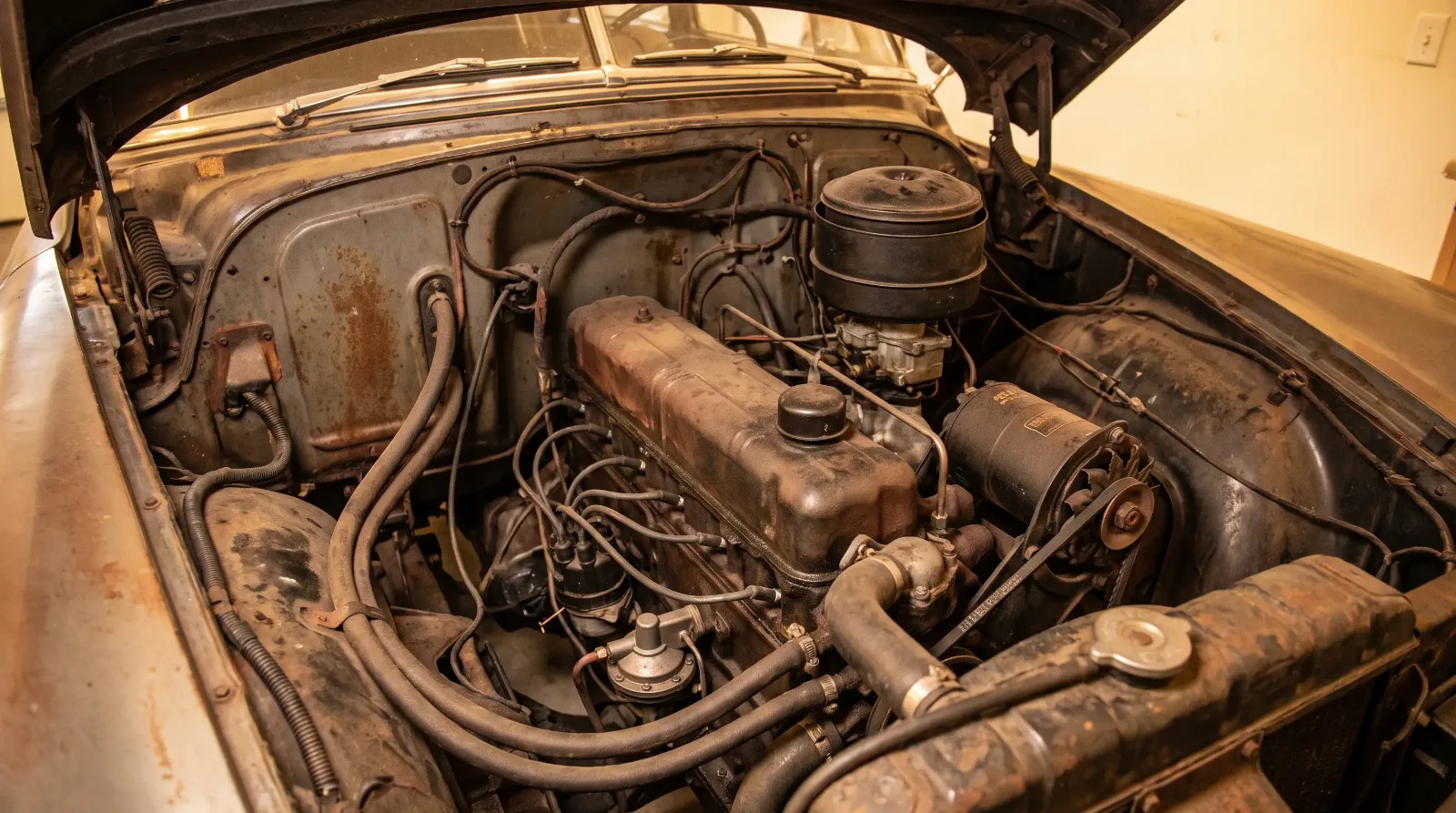
The 1951 Chevrolet engine was a valve-in-head inline six, the engine folks came to call the Stovebolt, and it is the heart of what makes these ca...
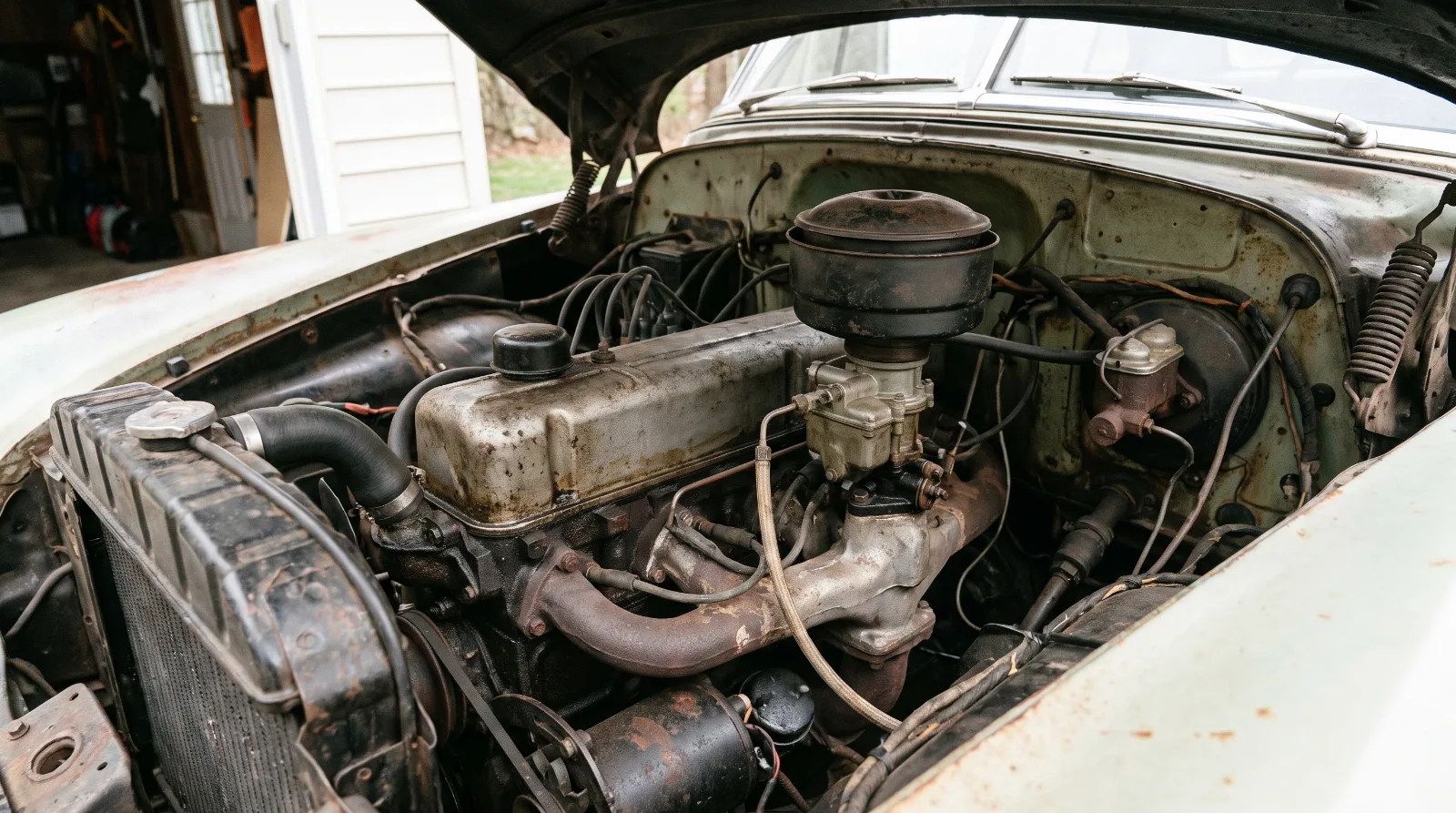
Here is the thing most people get wrong about a 1951 Chevrolet. They see Stovebolt six, they read about the 235, and they assume that is what is...
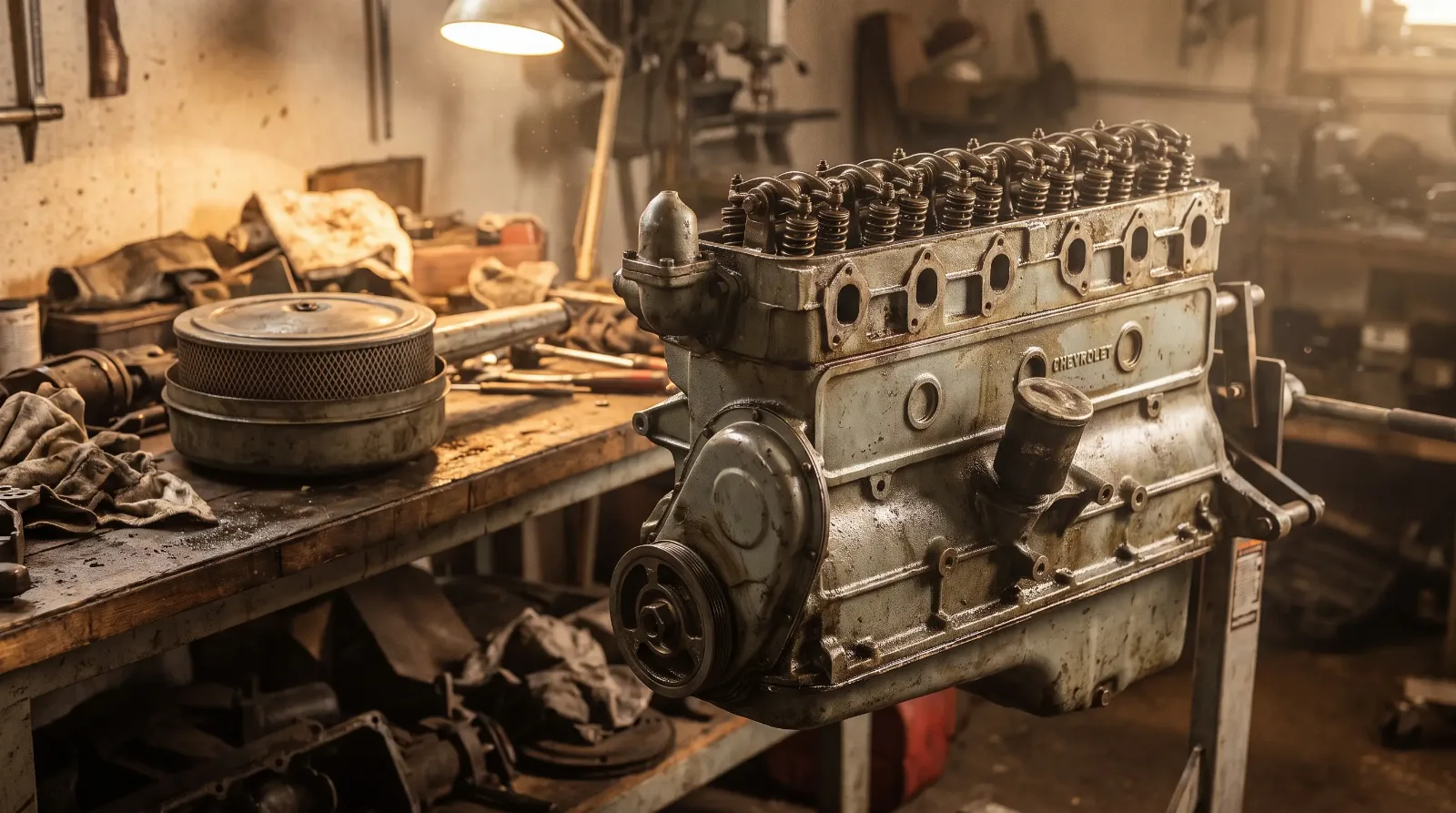
The Chevrolet 235 six is one of those engines everybody praises without asking which one they mean. There are two very different 235s, and the di...
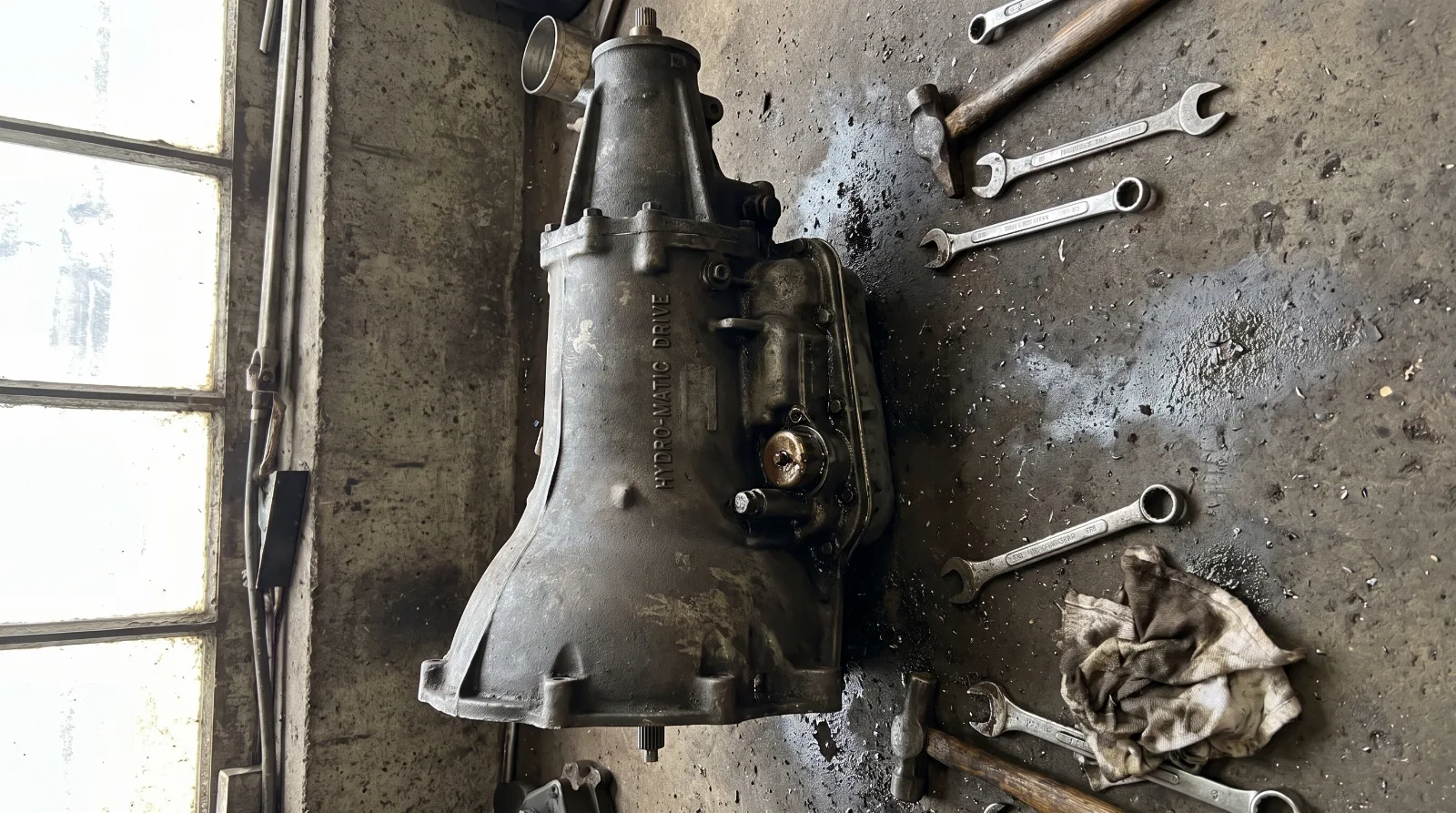
The Powerglide is the reason half the arguments about 1951 Chevrolets happen. It is the option that decides which engine the car has, which serie...
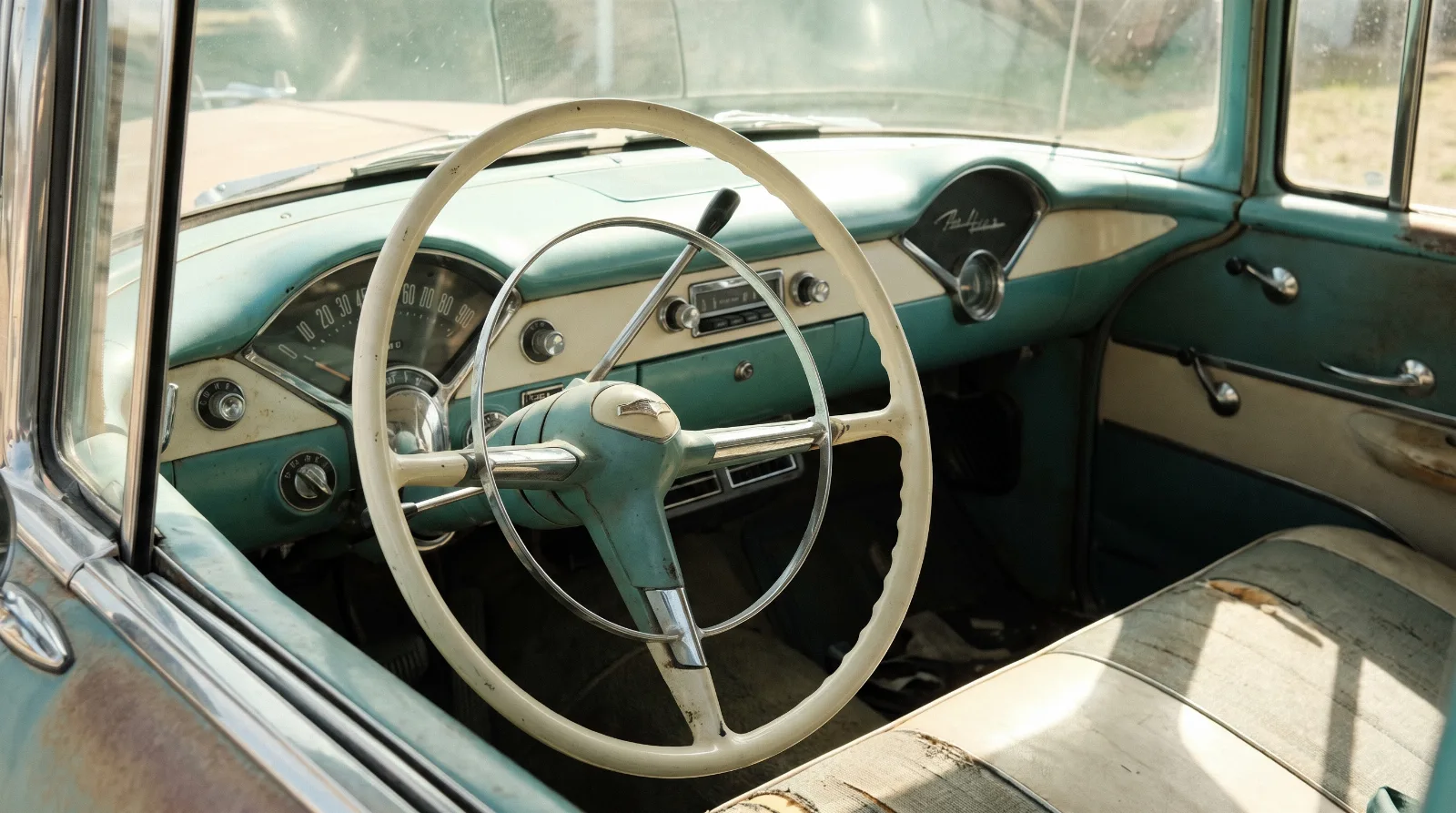
Three on the tree. Three forward gears, the lever on the steering column, and a pattern you draw in the air with your right hand until it becomes...
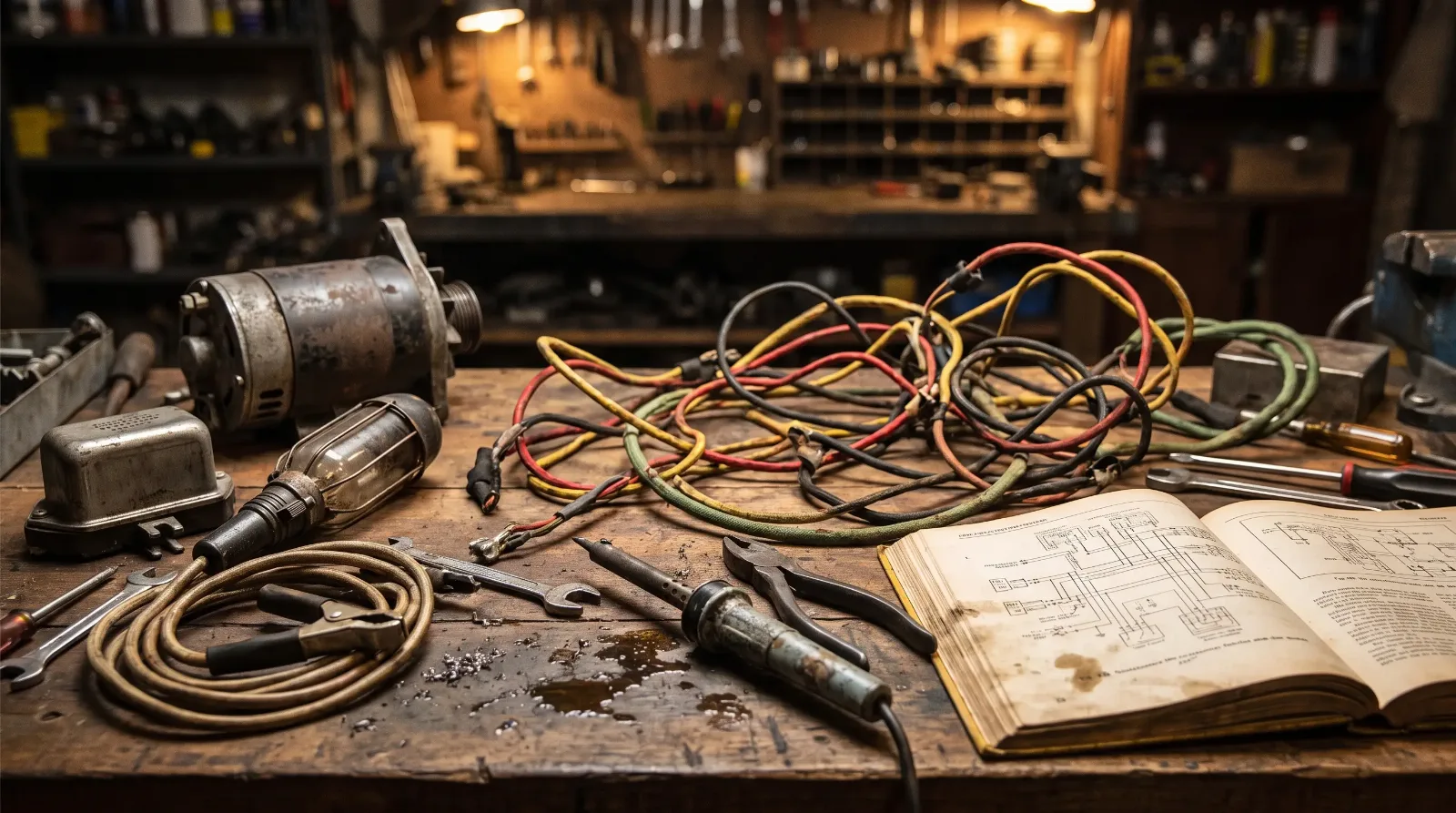
A wiring diagram is the map that keeps a 70-year-old car honest. When the taillights quit or the horn goes dead on a Sunday drive, the factory di...
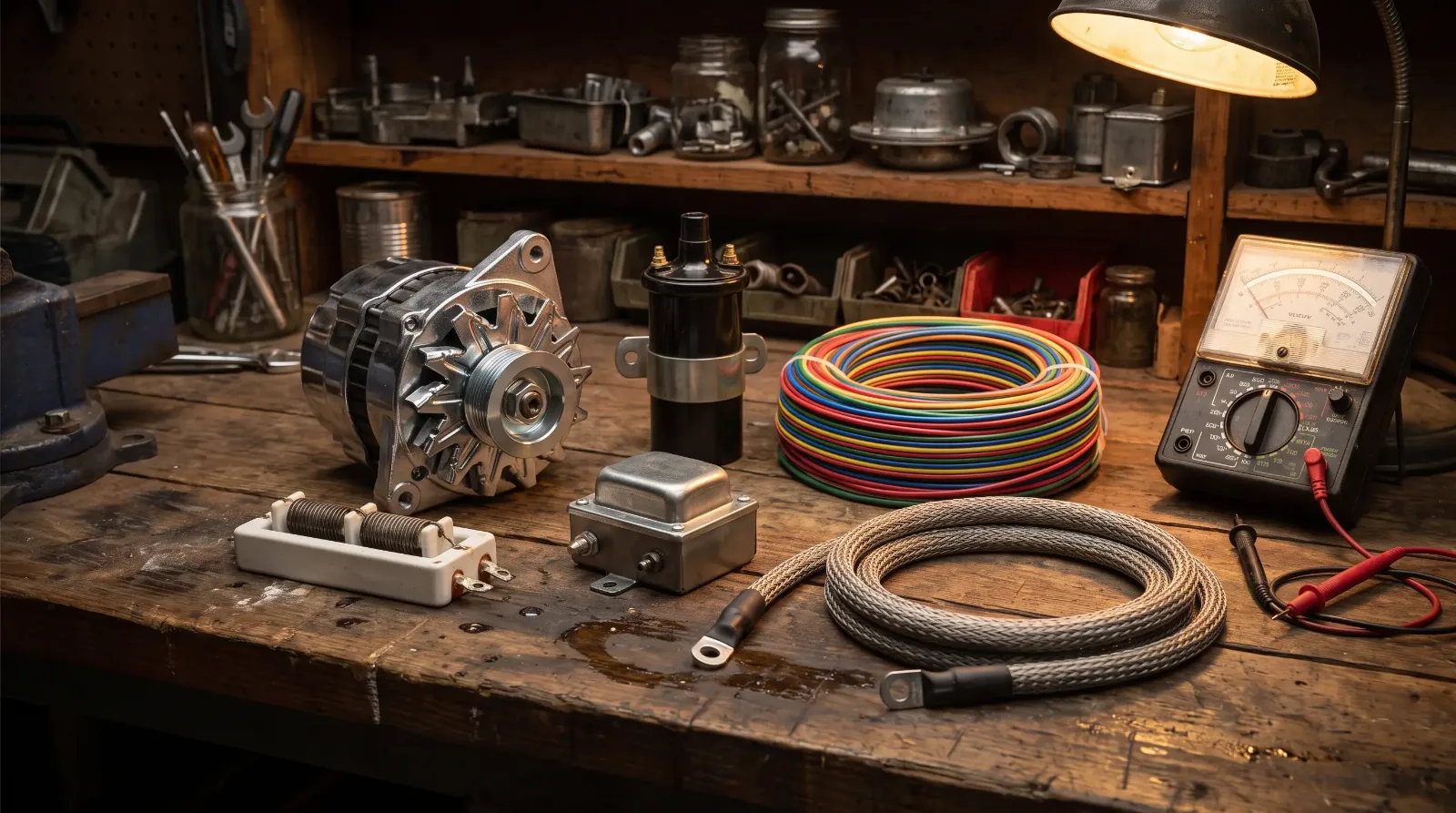
The six volt to twelve volt conversion is the most argued-about job on an early Chevrolet, and most of the argument is between people who have ne...
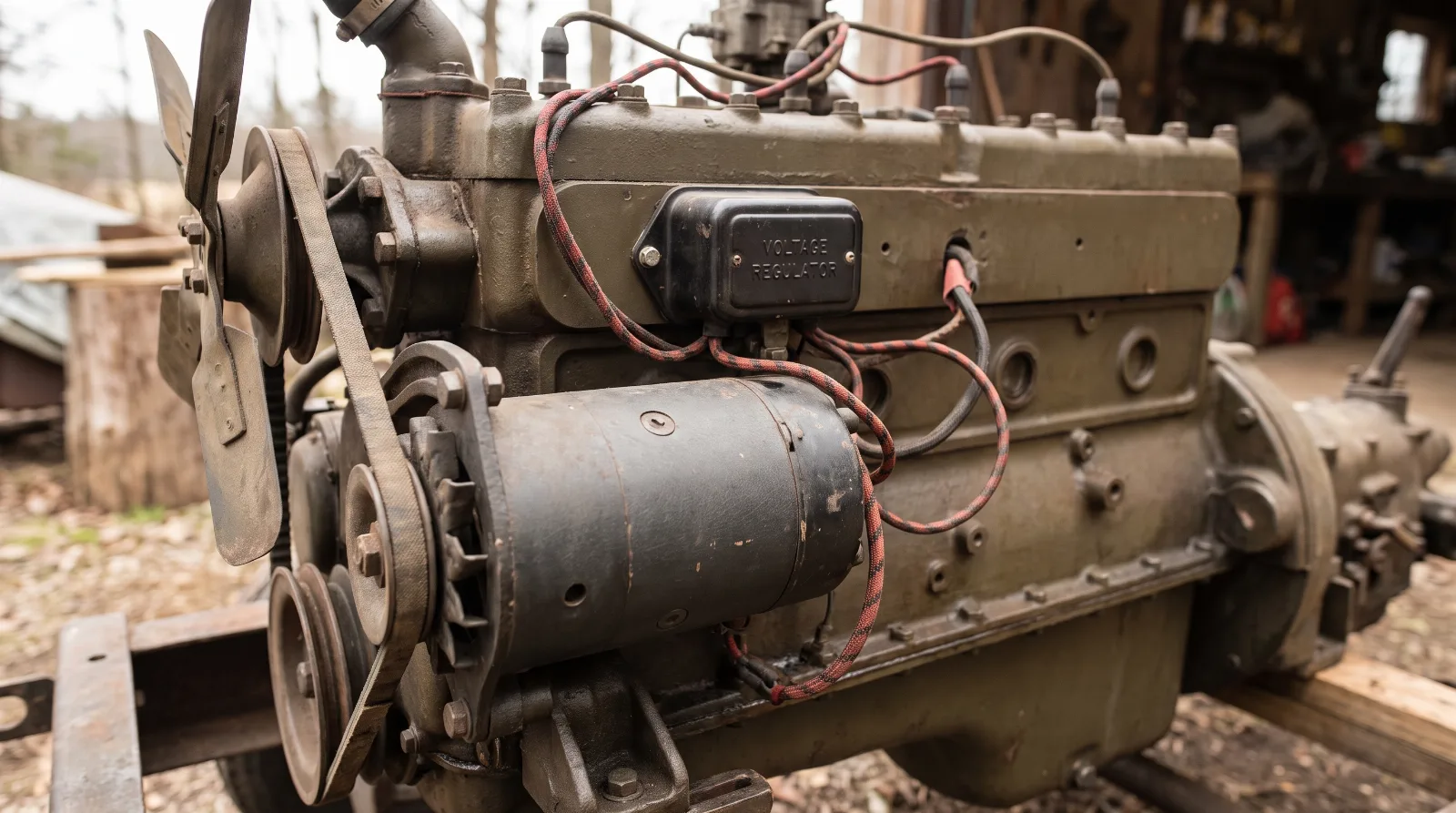
A 1951 Chevrolet charges its battery with a generator and a regulator, not an alternator. Those are different animals, they fail in different way...
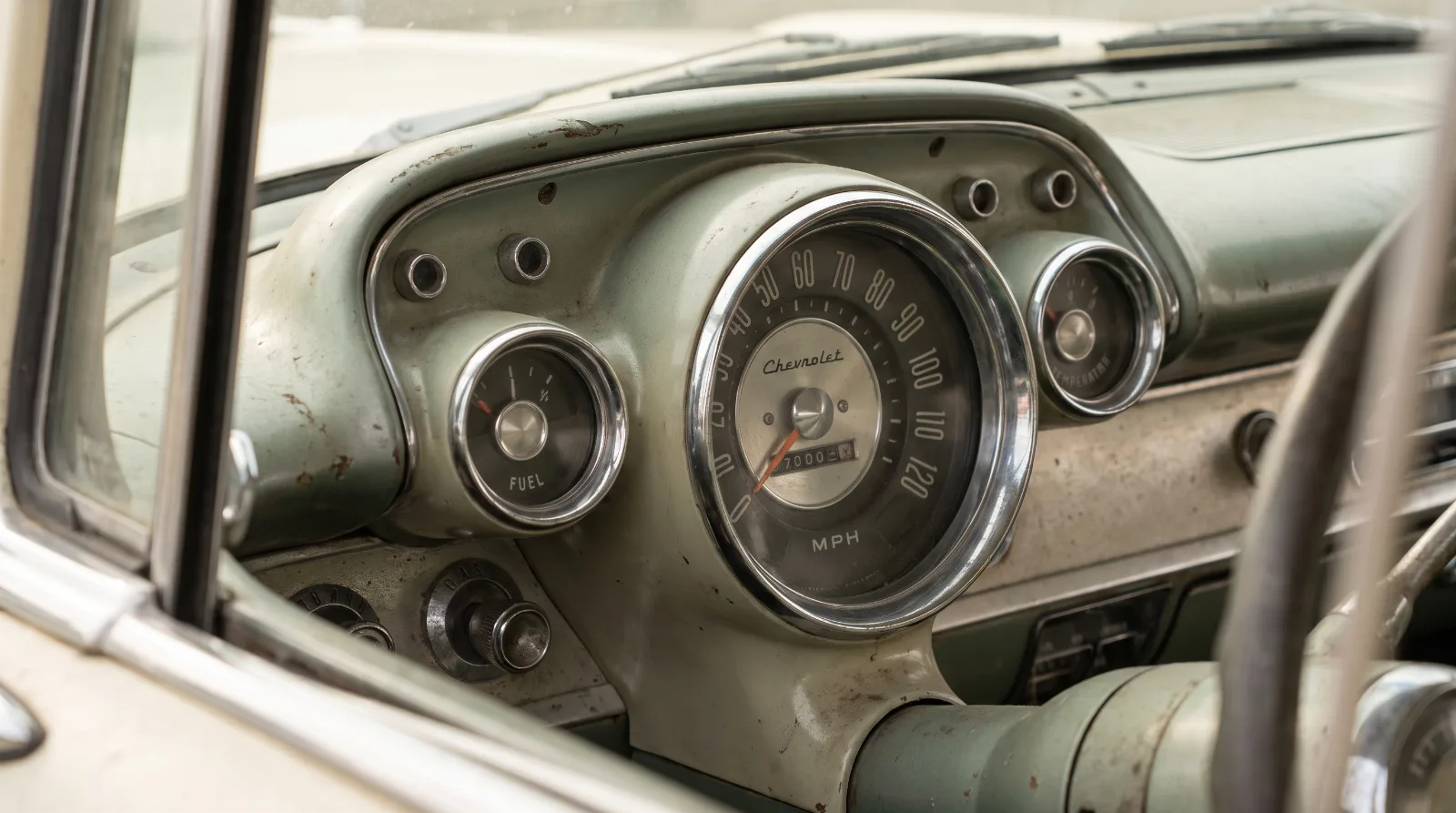
Four gauges in the cluster, and three of them are not electrical at all. That is the thing to understand about a 1951 dash before you start diagn...
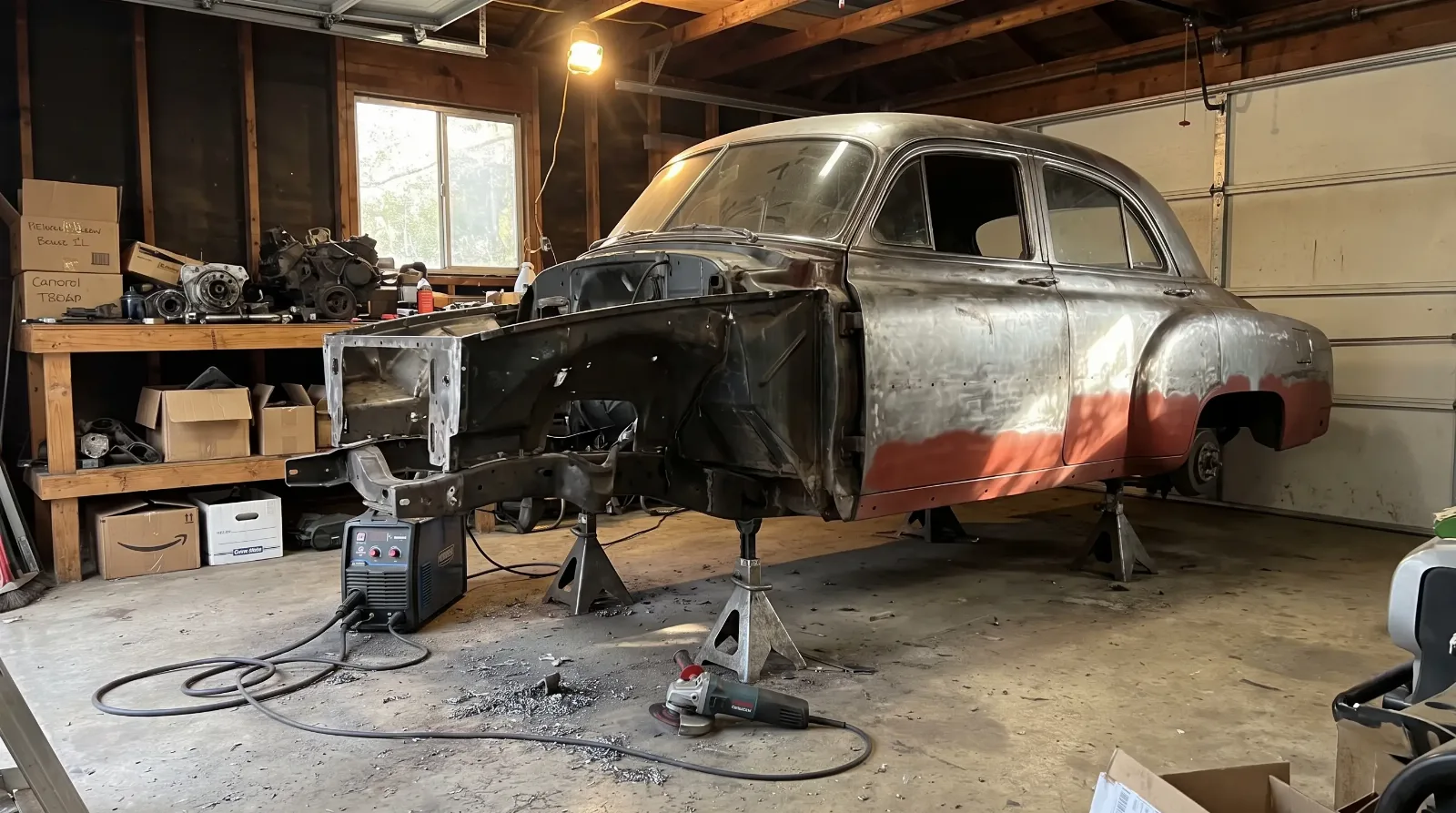
A 1951 Chevrolet restoration is one of the friendlier old-car projects a person can take on in a home garage, and I say that after decades of doi...
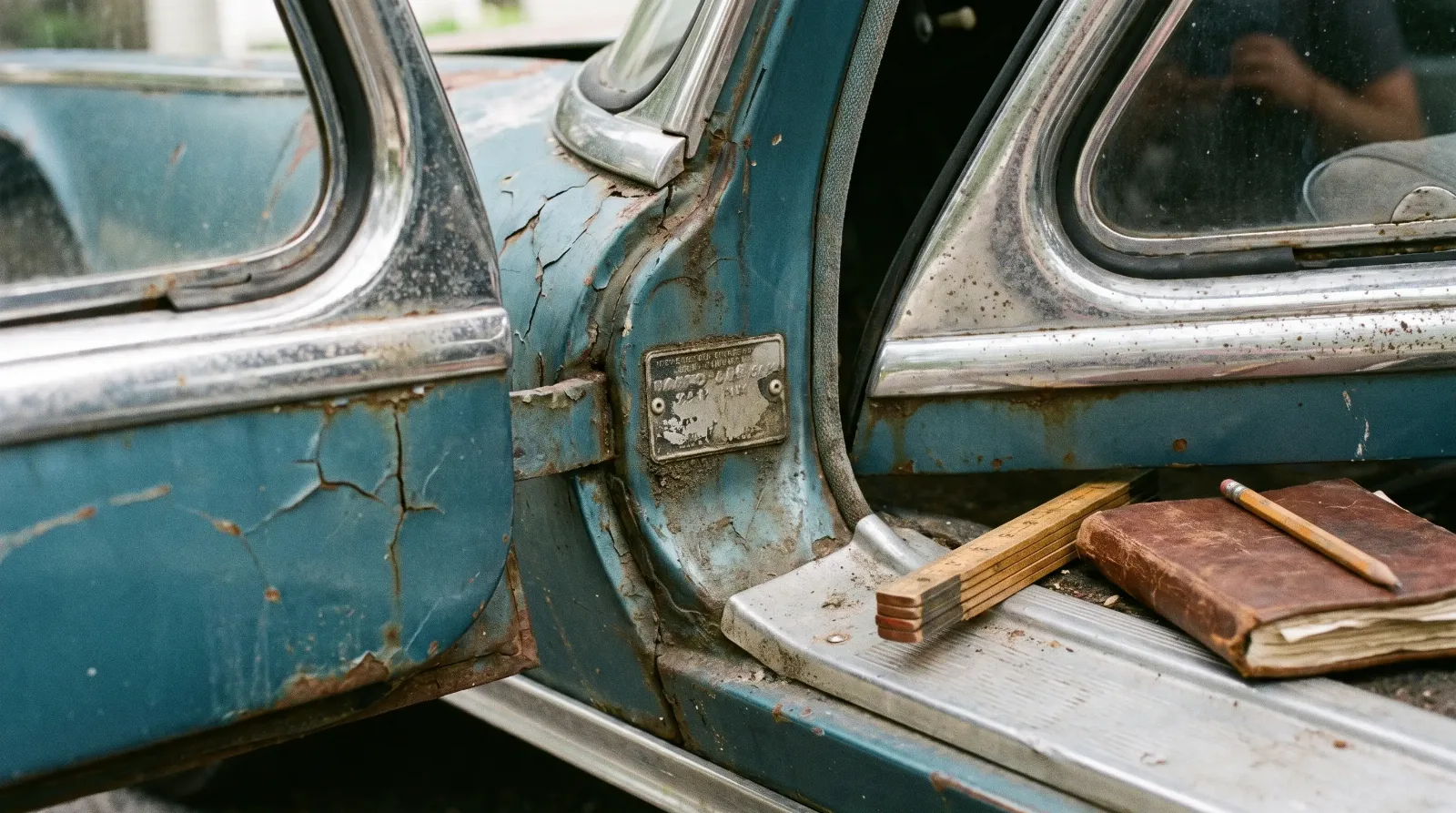
People ask me for the numbers on a 1951 Chevrolet more than anything else. What does it weigh, how long is the frame, what did the six make, what...
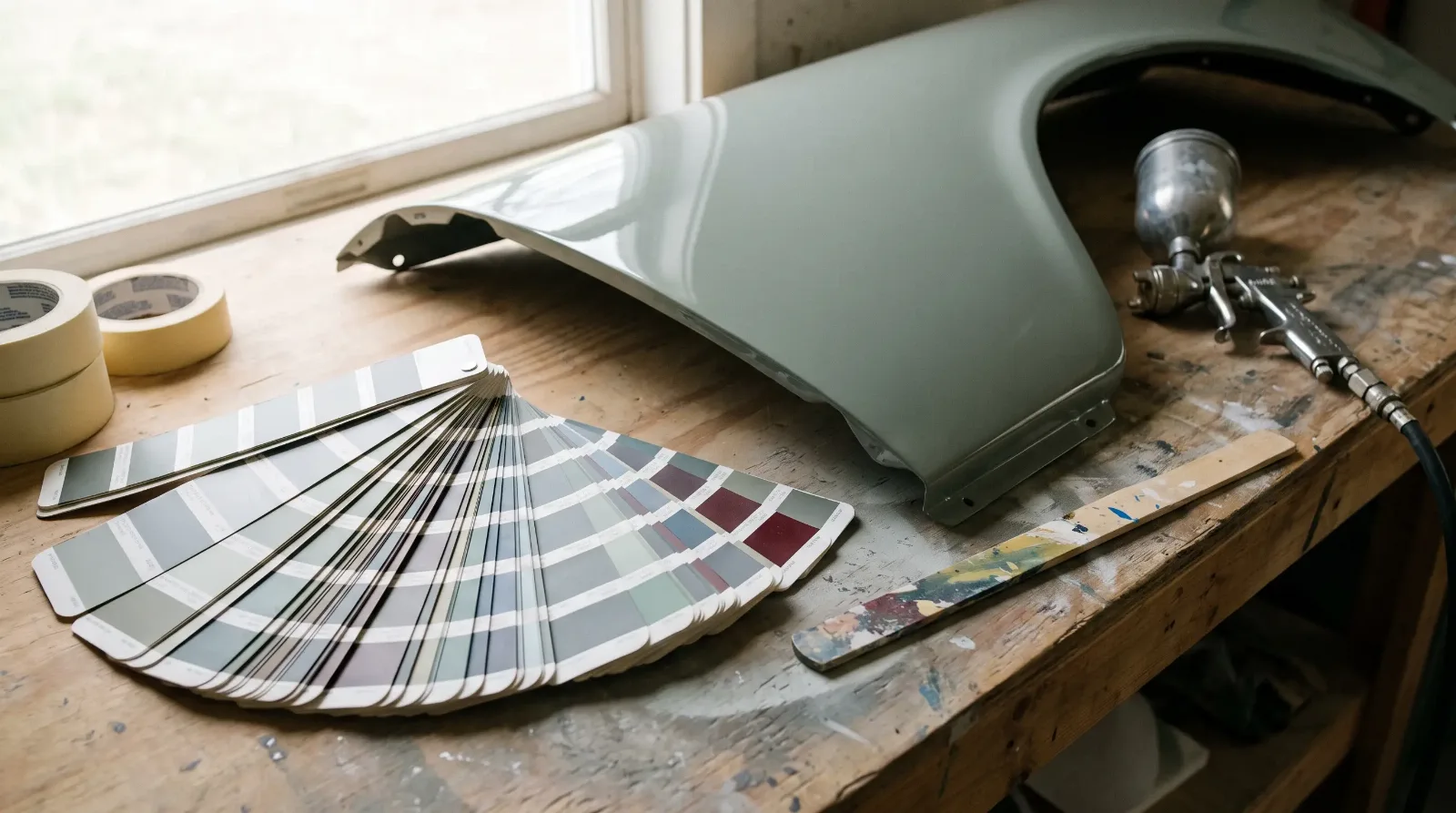
The 1951 Chevrolet body colors were a modest, tasteful set of factory paints, mostly quiet grays, greens, blues, and maroons with a few brighter...
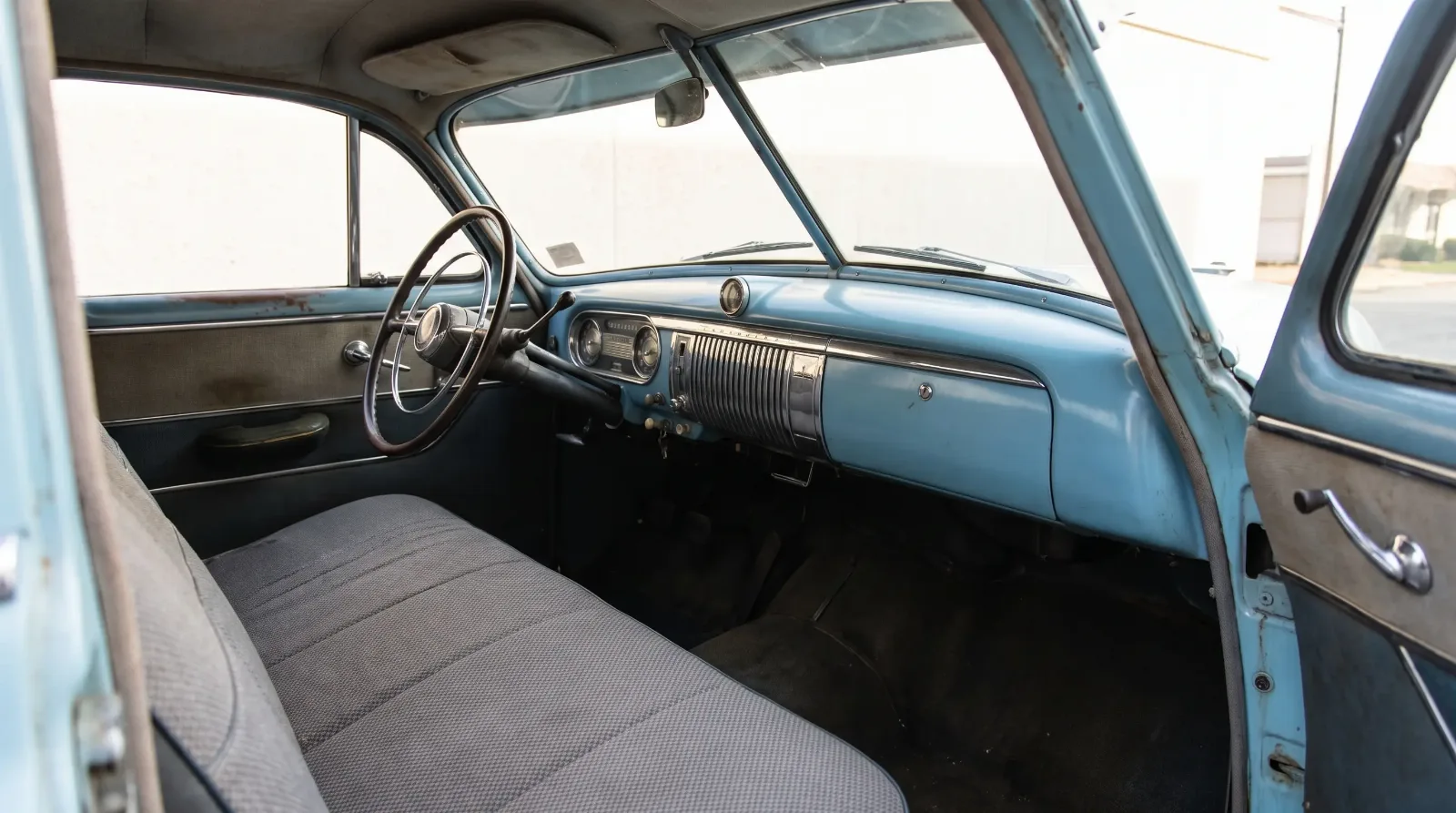
The 1951 Chevrolet interior was a plain, honest cabin built for a family car, and that is exactly what makes it worth getting right in a restorat...
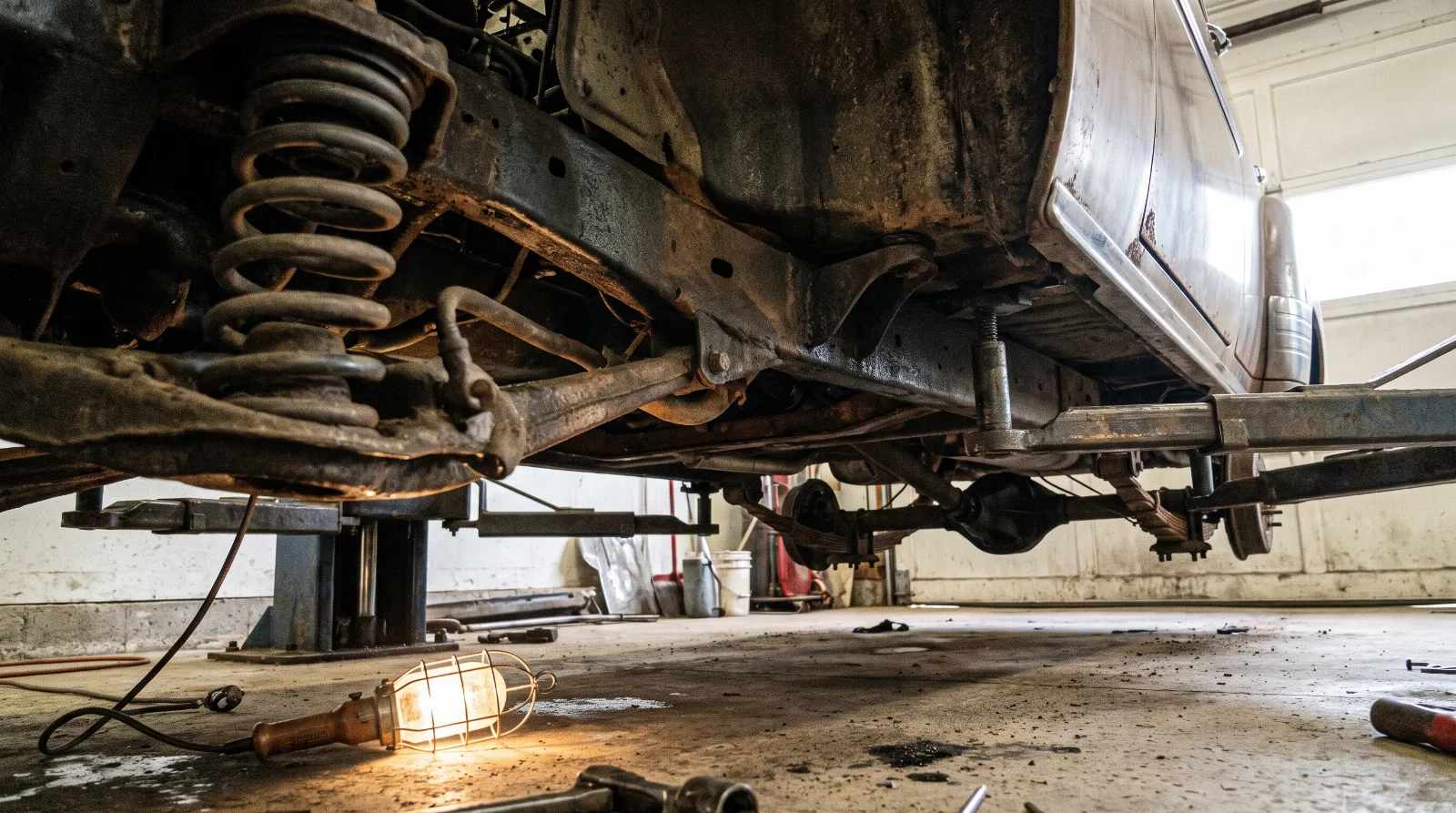
Everybody photographs the grille. Nobody photographs the frame. Then the car gets bought, driven fifteen miles, and the new owner discovers that...
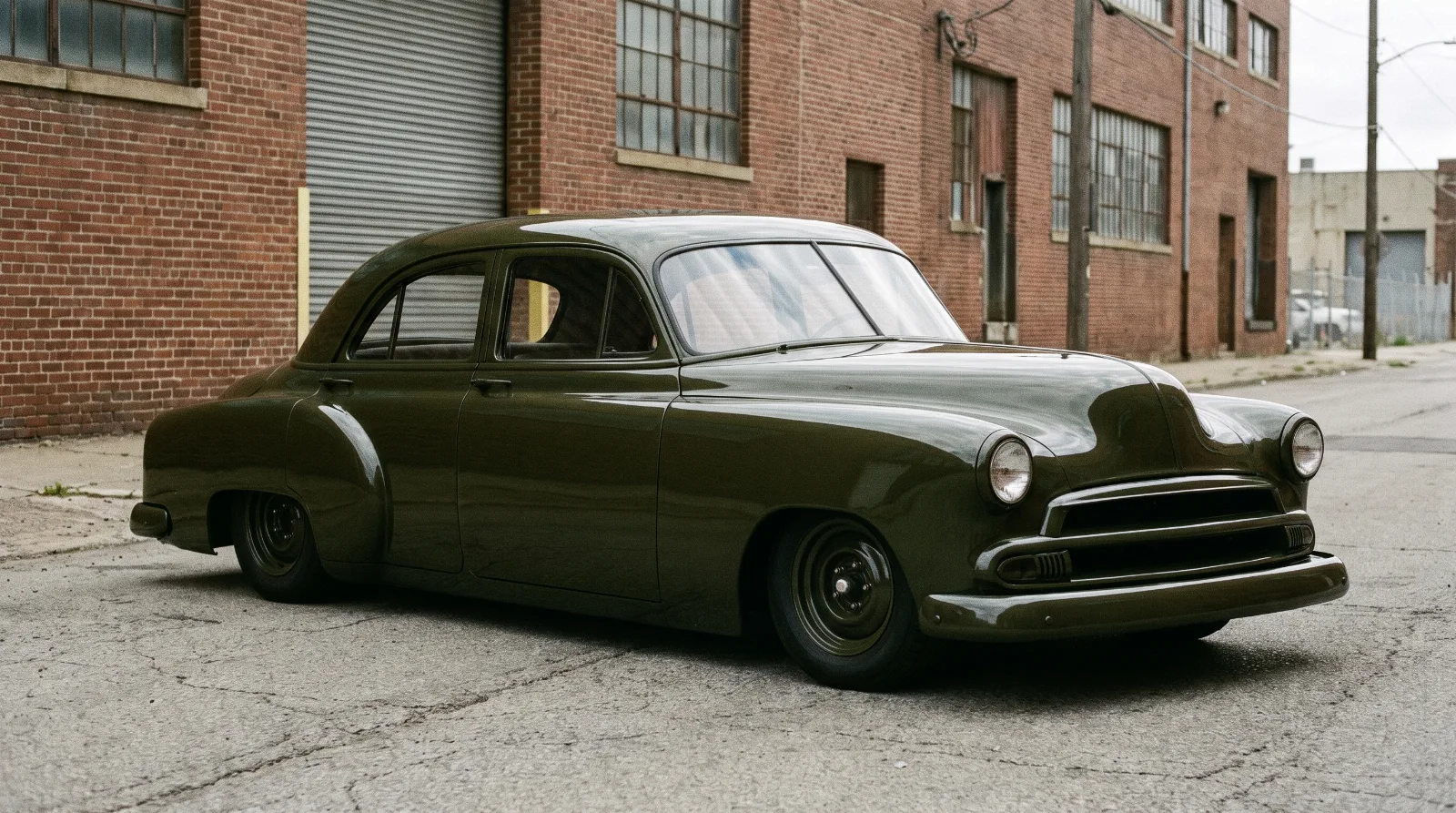
More 1951 Chevrolets have been modified than restored. That is not a complaint, it is arithmetic: Chevrolet built well over a million cars that y...
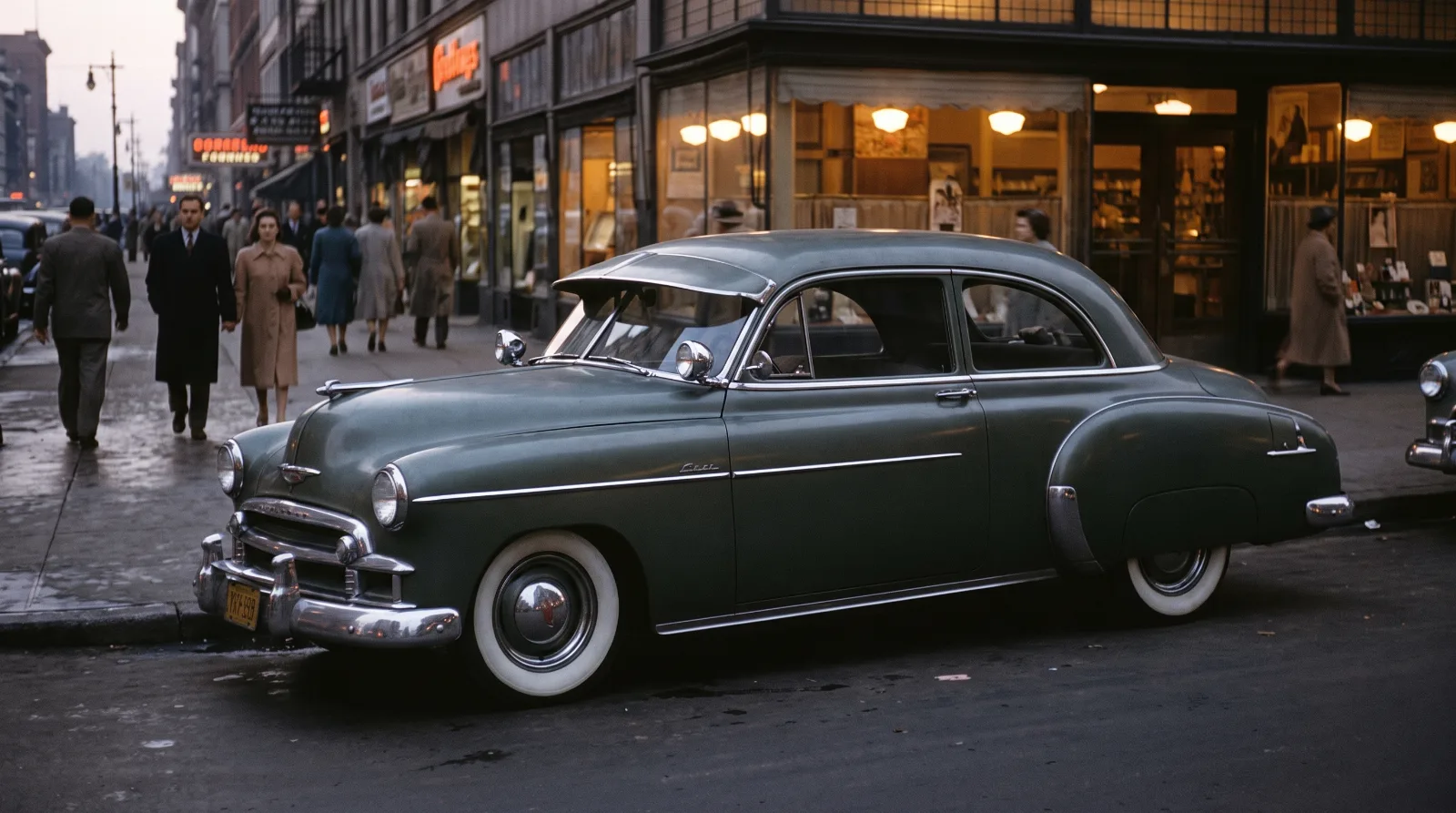
A 1951 Chevrolet is a bomb. Not an insult and not slang for something broken: in lowriding, a bomb is one of the rounded American production cars...
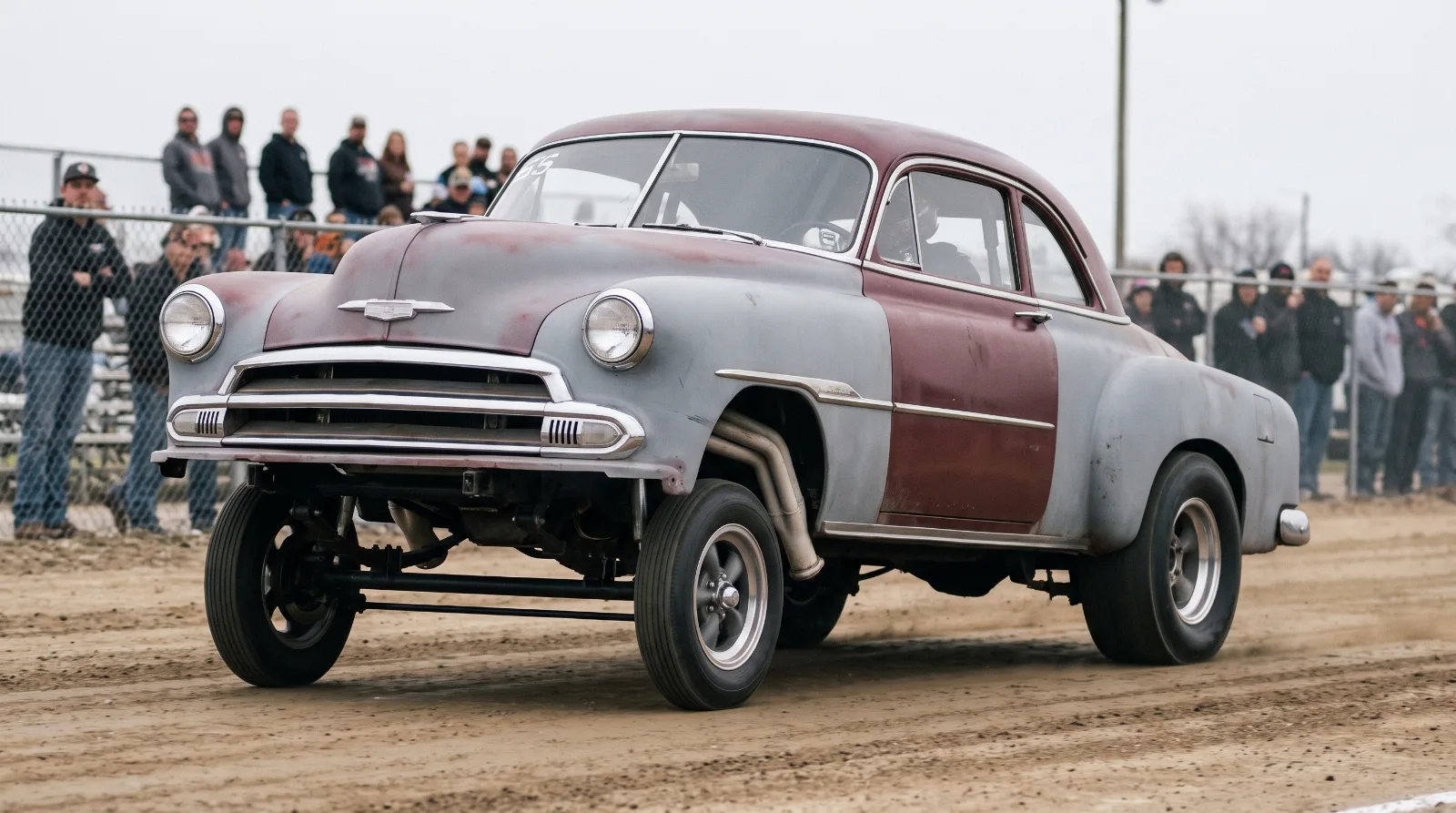
A gasser sits nose up, on skinny front tyres and fat rear slicks, with more engine than the body was ever meant to hold. It looks wrong from ever...
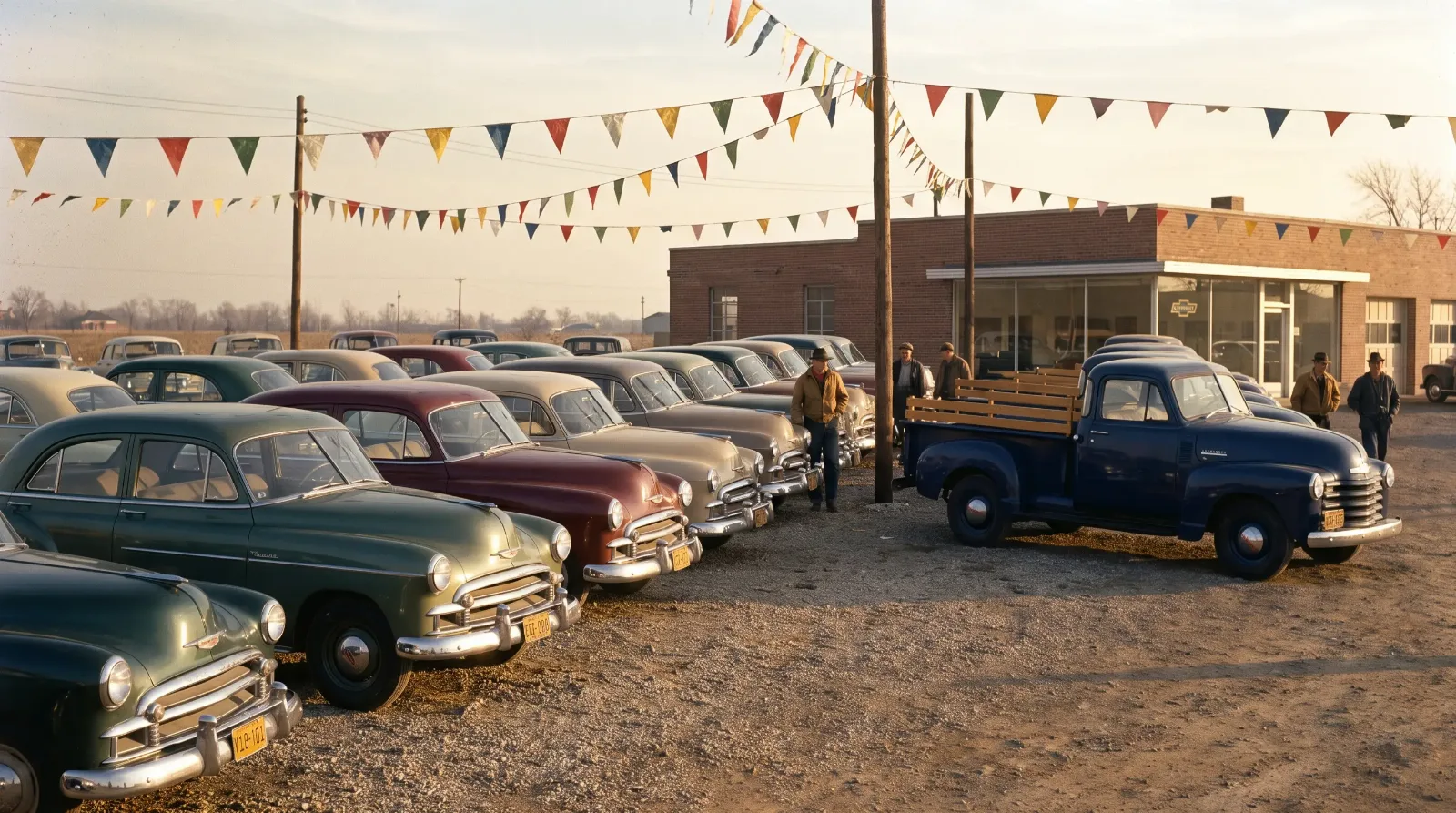
A 1951 Chevrolet is one of the few genuine postwar classics you can still buy without a second mortgage, and that is exactly why the good ones mo...
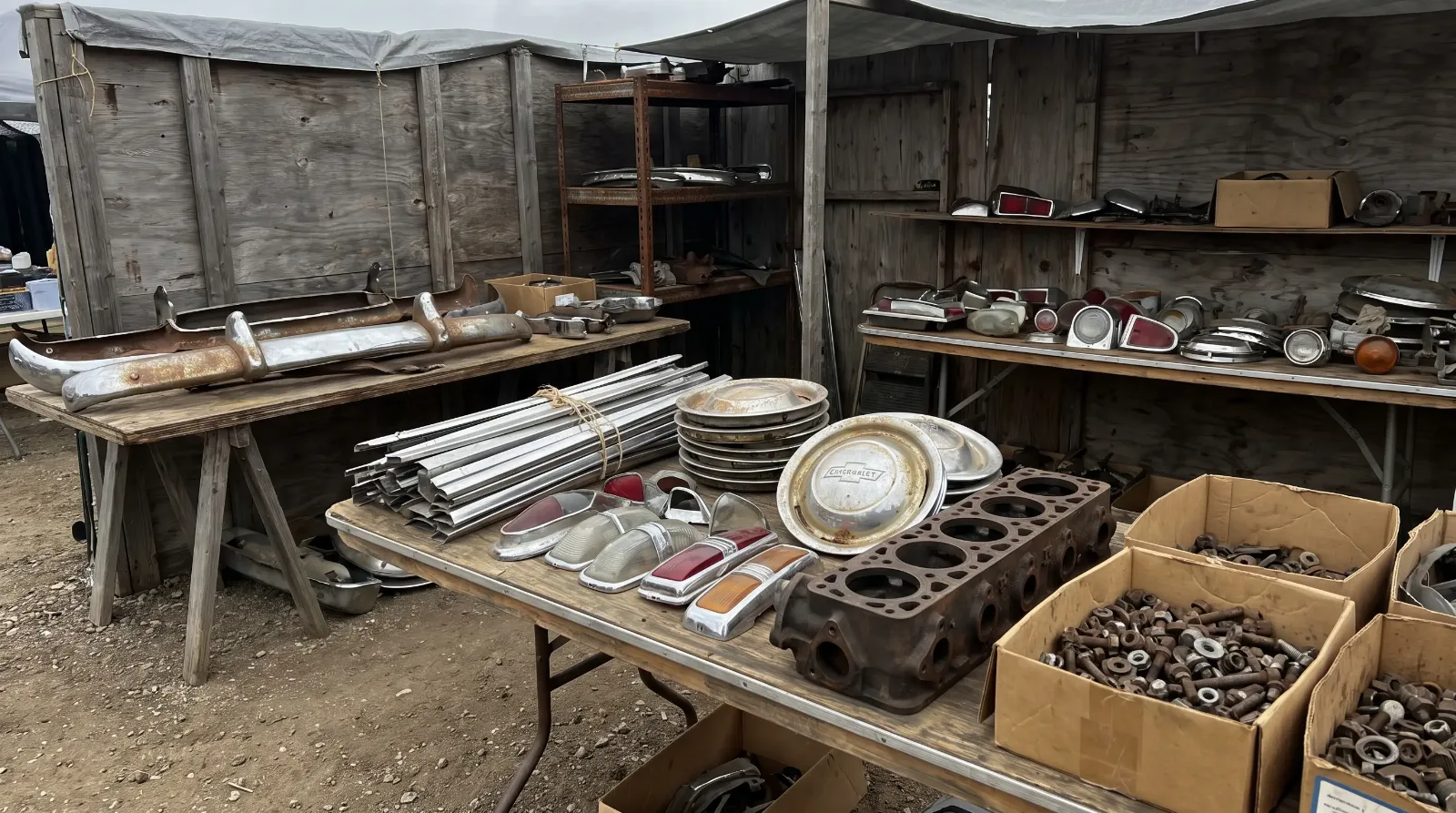
Before you buy a 1951 Chevrolet, find out what the parts cost. That is backwards from how most people do it, and it is why so many of these cars...
We use cookies to run the site and to count visits. You can decline the counting cookies. Privacy policy